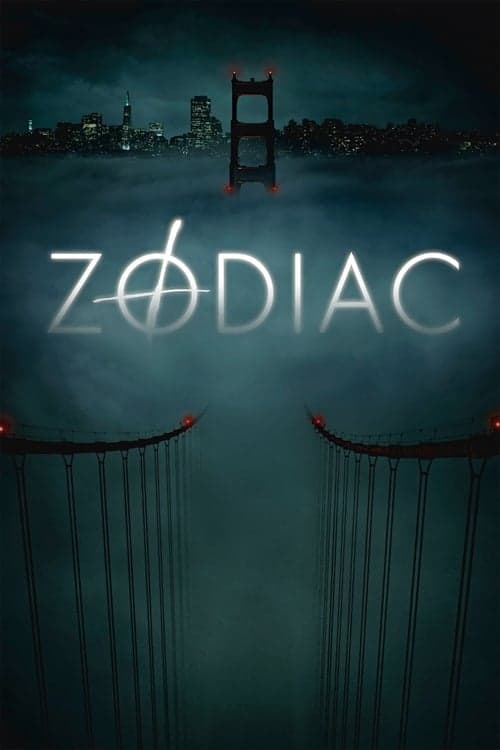
Zodiac
David Fincher · 2007
As the Zodiac Killer terrorizes the San Francisco Bay Area in the late 1960s and 1970s, a cartoonist named Robert Graysmith becomes consumed by the unsolved case long after the investigation has officially stalled. David Fincher's most mature film is about the specific horror of an obsession that cannot be resolved because the truth will not cooperate.
Techniques Used
5 techniques identified in this film
Forensic Inference Narration
NarrativeConstructing a narrative through a detective character's real-time reasoning — so that the audience assembles the truth alongside the investigator rather than receiving it through exposition.
How this film uses it
Graysmith reconstructs the Zodiac case through newspaper archives, police files, and interviews conducted decades after the crimes. Fincher keeps the audience at exactly Graysmith's level of knowledge — the film does not know more than he does, and neither do we, which is the point: the investigation's limit is the film's structural argument.
Obsession as Structural Engine
NarrativeOrganizing an entire narrative around a single character's consuming fixation — making the obsession the film's engine so that every scene exists in relation to it.
How this film uses it
Graysmith's obsession with the Zodiac case costs him his marriage, his friendships, and years of his life. Fincher structures the film so that the obsession itself — its cost, its irrationality, its refusal to accept the case as unsolvable — is the subject rather than the killer's identity. The crime is not the film's mystery; Graysmith's need for certainty is.
Paranoia Montage
EditingAn editing sequence that accumulates suspicious details, leads, and connections — building a sense that everything is potentially significant, the world revealing a pattern that may or may not be real.
How this film uses it
Fincher and editor Angus Wall build the investigation's middle section as a sustained paranoia montage — handwriting comparisons, cipher solutions, suspect identifications that open into further suspects. The editing creates the feeling of a pattern emerging while simultaneously undermining the audience's confidence in any single connection.
Epistemic Collapse
PsychologyA narrative event or sequence in which a character's entire framework for understanding events disintegrates — revealed to have been built on false premises, with no replacement available.
How this film uses it
The film's final act is an epistemic collapse in slow motion: Graysmith's certainty about the killer's identity cannot be legally or evidentially confirmed. The truth is structurally unavailable — not hidden but genuinely inaccessible. Fincher's film is about what it costs to pursue certainty in a world that will not provide it.
Era-Coded Visual Grammar
CinematographyRecreating a historical period through the specific visual texture of its cinema — lens choices, grain, color temperature, aspect ratio — so that the film's look places the audience inside the era's own visual language rather than a contemporary approximation of it.
How this film uses it
Fincher and cinematographer Harris Savides render late-1960s and 1970s San Francisco in the warm, slightly desaturated tones of the era's actual photography — Kodachrome slide colors for the early sequences, the flatter, cooler palette of 1970s film stock for the investigation years. The visual grammar makes the period feel inhabited rather than reconstructed.
You Might Also Like
Films that share at least one technique with Zodiac
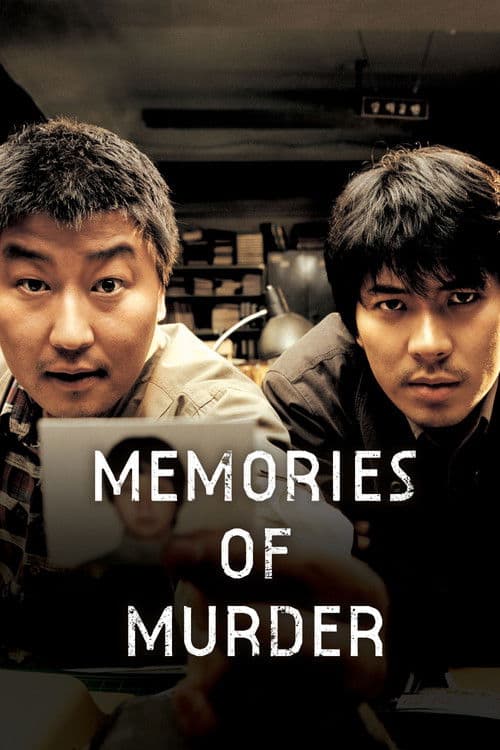
Two detectives — a provincial brawler and a methodical Seoul investigator — pursue South Korea's first documented serial killer across rice paddies and rural villages in 1986. Bong Joon-ho's breakthrough film is simultaneously a forensic procedural and a portrait of a society whose institutions are not yet equipped for the crimes they face.
Memories of Murder
Bong Joon-ho · 2003
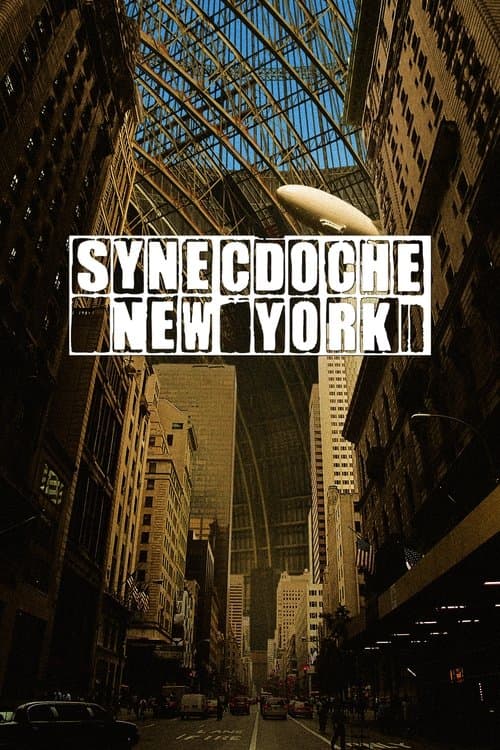
Theatre director Caden Cotard receives a grant and uses it to build, over decades, an ever-expanding theatrical representation of life inside a New York warehouse — a project that consumes his actual life as it attempts to contain it. Charlie Kaufman's directorial debut is the most ambitious film about artistic ambition ever made, and the saddest.
Synecdoche, New York
Charlie Kaufman · 2008
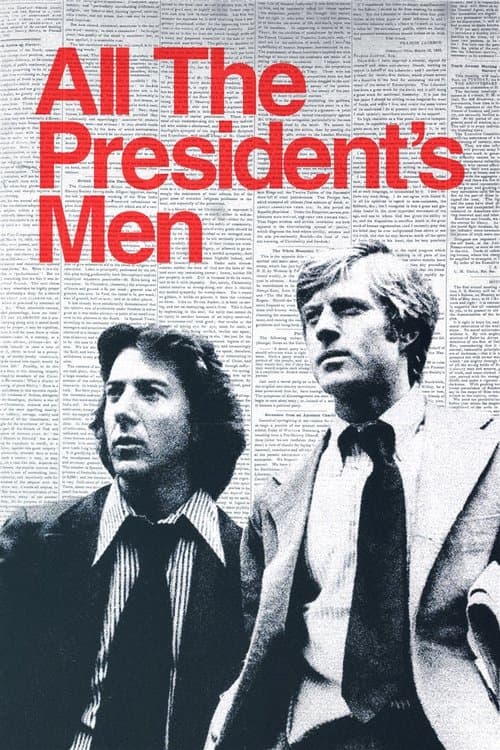
Washington Post reporters Bob Woodward and Carl Bernstein follow a trail of clues from the Watergate break-in to the highest levels of the Nixon administration. Alan Pakula's film treats investigative journalism as a form of procedural thriller, finding suspense in the patient accumulation of facts.
All the President's Men
Alan J. Pakula · 1976