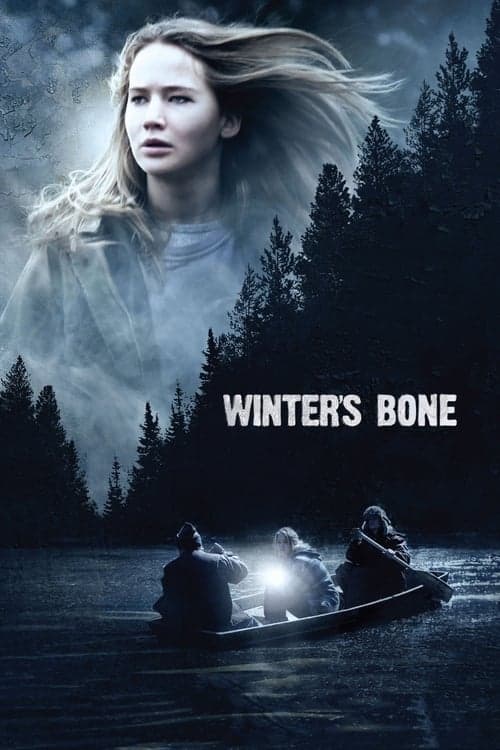
Winter's Bone
Debra Granik · 2010
Sixteen-year-old Ree Dolly searches the Ozarks meth country for her missing father — who put up their house as bond collateral before disappearing — navigating a community bound by silence, loyalty, and the threat of violence. Debra Granik's film is a neo-noir set in the mountains of Missouri.
Techniques Used
4 techniques identified in this film
Working-Class Geography
CinematographyThe use of specific working-class locations — their architecture, signage, and spatial organization — as an expressive environment encoding economic reality.
How this film uses it
Granik shoots the Ozarks with the specificity of a documentarian — the actual trailers, the actual woods, the actual community structures of rural poverty — the location carrying more information about Ree's world than any expository dialogue could deliver.
Observational Restraint
NarrativeA filmmaking approach that withholds explanation, allowing behavior and environment to communicate character meaning without dialogue.
How this film uses it
Granik films the community's code of silence without explaining it — the refusals, the warnings, the doors that close — trusting the audience to understand that this silence is a survival mechanism in a community where talking can get you killed.
Non-Professional Cast Authenticity
NarrativeThe use of actors without professional training to bring an unperformed quality to their roles.
How this film uses it
Granik cast extensively from the actual Ozarks community — the musicians, the neighbors, the people who populate the background — their authentic presence giving the film's social world a texture that professional extras cannot replicate.
Handheld Documentary Texture
CinematographyA shooting approach that replicates documentary footage using erratic handheld movement and imperfect framing to simulate the chaos of real events.
How this film uses it
Michael McDonough shoots Ree's investigation with a restrained handheld that stays close to her body without becoming shaky — the camera present as companion rather than observer, the texture of the documentary grammar encoding the seriousness with which the film takes her quest.
You Might Also Like
Films that share at least one technique with Winter's Bone
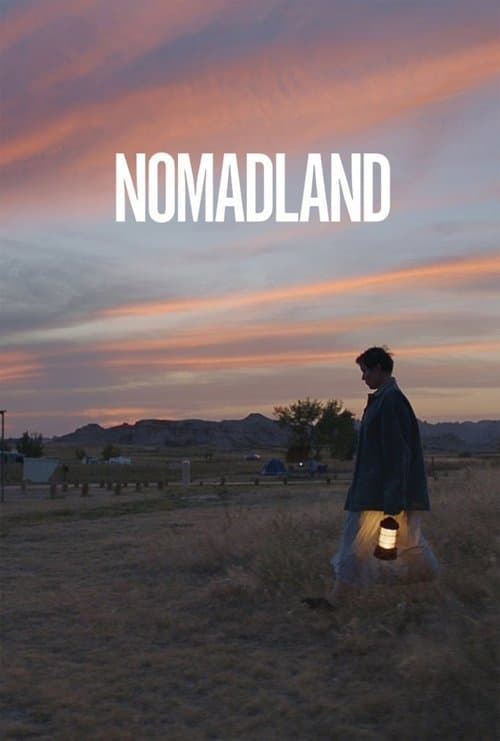
Following the closure of the gypsum plant that sustained her Nevada town, a woman in her sixties takes to the road as a modern nomad — living in a van, working seasonal jobs, finding community among others who have chosen the margins. Zhao's film dissolves the line between documentary and fiction.
Nomadland
Chloé Zhao · 2020
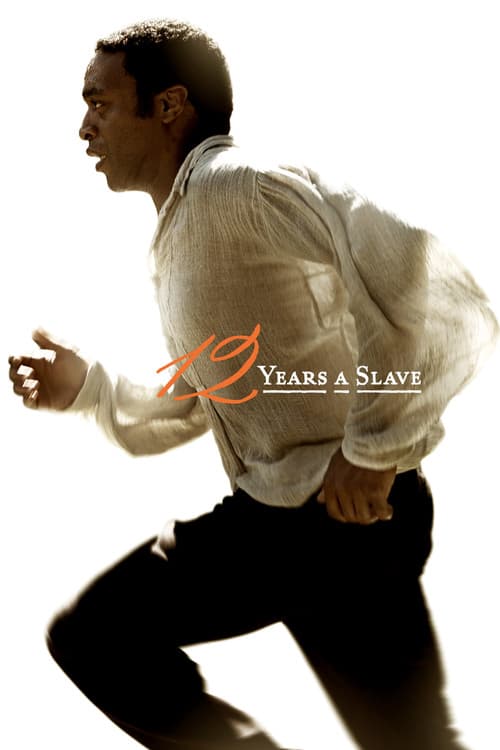
Solomon Northup, a free Black man from New York, is kidnapped and sold into slavery in Louisiana, where he spends twelve years surviving the systematic brutality of the antebellum South before being rescued. Steve McQueen's film refuses every convention of historical suffering — it looks without flinching and does not offer the comfort of resolution.
12 Years a Slave
Steve McQueen · 2013
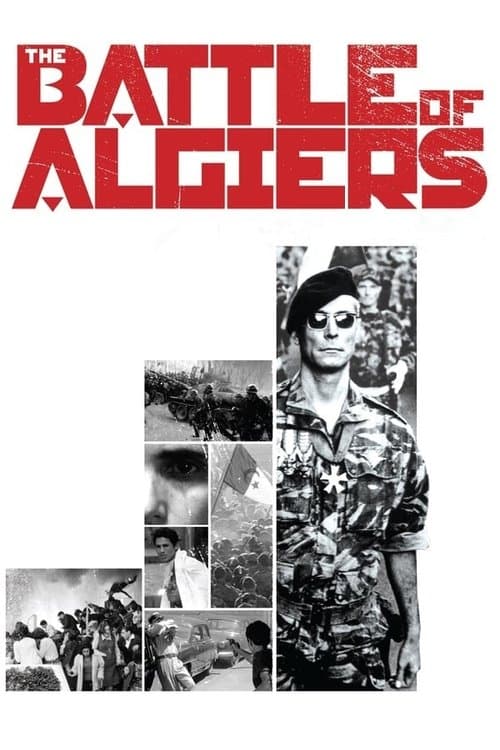
The Algerian National Liberation Front wages an urban guerrilla campaign against French colonial rule in 1950s Algiers, documented with the impartiality of a film that refuses to assign guilt to either side of a colonial war. Pontecorvo's film was so realistic it had to include a disclaimer that no newsreel footage was used.
The Battle of Algiers
Gillo Pontecorvo · 1966