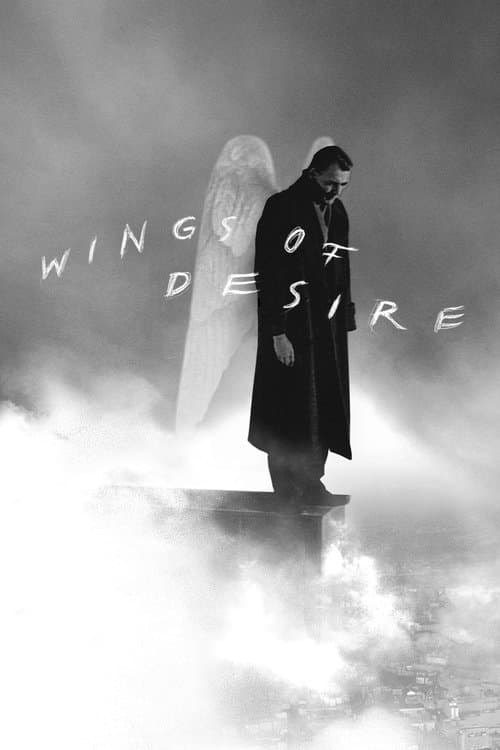
Wings of Desire
Wim Wenders · 1987
Two angels wander through West Berlin listening to the interior thoughts of its inhabitants, until one of them falls in love with a trapeze artist and chooses to become mortal. Wim Wenders' film is a meditation on embodiment, history, and what is irreplaceable about the experience of being alive.
Techniques Used
5 techniques identified in this film
Black-and-White as Moral Urgency
CinematographyShooting in black and white not for nostalgia but as a formal argument — stripping color to expose structure and moral weight that surface realism might obscure.
How this film uses it
The angels see the world in black and white — eternal, beautiful, and without the friction of sensation. When Damiel becomes human, color enters the image for the first time. The formal grammar argues that color is the marker of mortal experience: to be in color is to be alive, to suffer, to feel warmth.
Isolated Color Insert
CinematographyIntroducing a single color element into an otherwise monochrome image — or brief color sequences into a black-and-white film — so that color carries maximum thematic weight through contrast.
How this film uses it
Before Damiel's full transition, Wenders uses isolated color moments — a child's coat, a traffic light — to suggest human experience bleeding into his angelic perception. The isolated inserts track the fall before it is complete, color growing as his desire does.
Subjective Camera
CinematographyPositioning the camera at a character's literal point of view — so that the audience sees what the character sees, the camera becoming a body in the scene.
How this film uses it
The angels' wandering is filmed in their subjective POV: the camera floats, drifts without gravity, passes through walls, and settles beside ordinary people unobserved. The subjective grammar makes the audience briefly angelic — experiencing the city's interior life from a position of weightless, total access.
Non-Diegetic Insert
EditingCutting to an image or sound that exists outside the film's story world — functioning as commentary, memory, or emotional annotation rather than narrative information.
How this film uses it
The angels' access to human interiority is rendered as non-diegetic inserts: we hear the thoughts of people on the subway, in libraries, on rooftops — interior monologues that exist nowhere in the story world but are the film's primary emotional material.
Earned Catharsis
NarrativeA climactic emotional release the narrative has systematically built toward — feeling that arrives because the film has laid the necessary groundwork.
How this film uses it
Damiel's first sensory experiences as a mortal — the taste of coffee, the warmth of hands, the color of blood — are the film's catharsis. Wenders has spent the entire film establishing what angels cannot feel; when Damiel finally feels it, the audience experiences embodiment as something miraculous recovered rather than taken for granted.
You Might Also Like
Films that share at least one technique with Wings of Desire

A German industrialist uses Jewish slave labor to run his factory during the Holocaust, then risks everything to save as many lives as possible. Shot in near-total black and white, the film is cinema's most sustained act of bearing witness to atrocity.
Schindler's List
Steven Spielberg · 1993
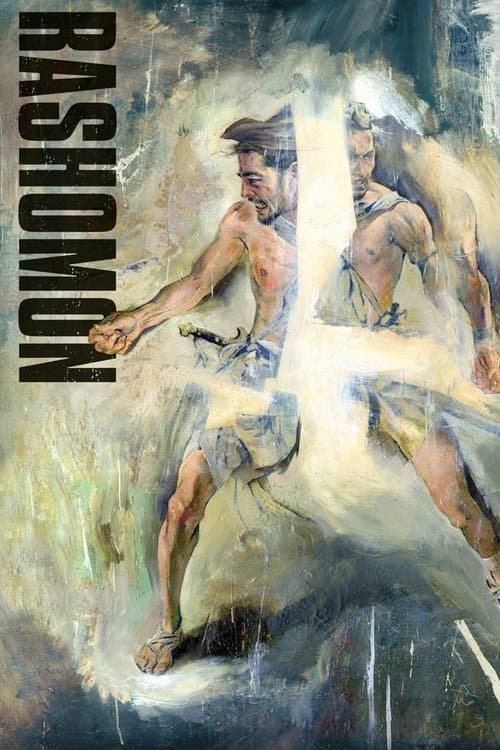
A samurai is found dead in a forest. Four witnesses — the bandit, the wife, the dead man's spirit, and a woodcutter — each give a radically different account of what happened. Kurosawa's landmark film does not ask which story is true; it asks whether truth, as a concept the audience can access, survives the test.
Rashomon
Akira Kurosawa · 1950
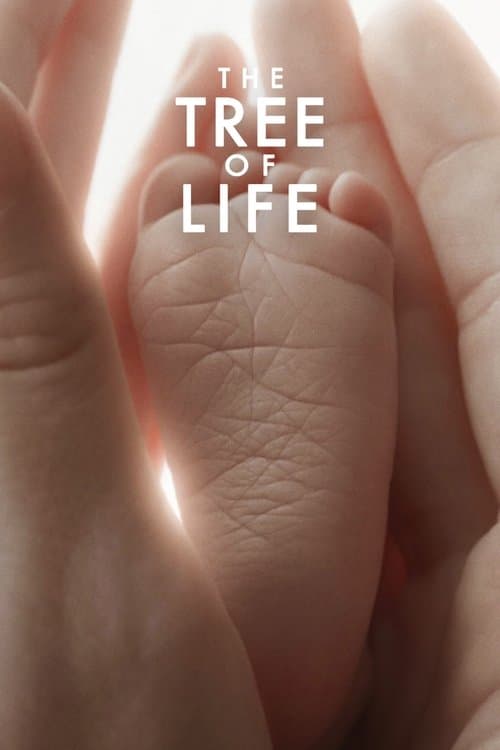
An adult man named Jack remembers his 1950s Texas childhood — his gentle mother, his severe father, and the loss that divided their family — in a film that expands those memories into a twenty-minute meditation on the origin of the universe. Terrence Malick's most ambitious film asks what individual human grief means in the context of four billion years of life.
The Tree of Life
Terrence Malick · 2011