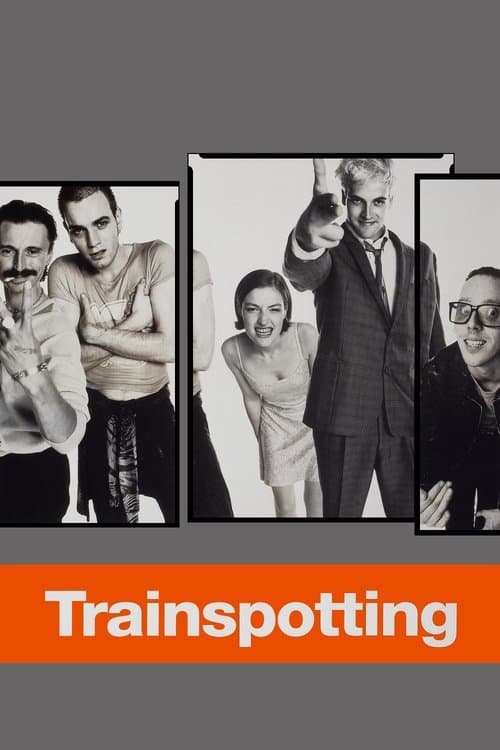
Trainspotting
Danny Boyle · 1996
Mark Renton and his circle of heroin-addicted friends navigate Edinburgh's underclass — petty crime, overdoses, unemployment, and the occasional attempt to get clean — until a drug deal offers one of them a way out. Danny Boyle's film is the most energetic portrait of self-destruction in British cinema.
Techniques Used
4 techniques identified in this film
Jump Cut Propulsion
EditingThe use of abrupt, discontinuous cuts within a scene to create energy and forward momentum while abandoning the smoothness of classical continuity.
How this film uses it
Masahiro Hirakubo's editing applies jump cuts to the rhythms of addiction — the highs accelerated, the crashes protracted — making the editing itself replicate the neurological experience of heroin's impact on time perception.
Ironic Pop Music Score
SoundThe use of pre-existing popular music in deliberate counterpoint to the emotional or moral content of a scene, the gap between song and image creating meaning through dissonance.
How this film uses it
Boyle uses Iggy Pop, Underworld, and Blur to score scenes of squalor and degradation with music that is ecstatic, anthemic, and cool — the ironic gap between the soundtrack's energy and the characters' self-destruction the film's central tonal argument.
Subjective Camera
CinematographyA camera perspective that places the audience inside a character's point of view, experiencing the world through their perceptual and psychological filter.
How this film uses it
Boyle places the camera inside Renton's heroin consciousness — the famous toilet dive, the ceiling shot of withdrawal, the baby hallucination — making the high and the horror both physically experienced rather than observed.
Handheld Cinema Vérité
CinematographyA documentary-influenced shooting style using handheld cameras to create spontaneous, unpolished images that feel observed rather than constructed.
How this film uses it
Brian Tufano shoots Edinburgh's housing estates and shooting galleries with a handheld camera that puts the audience in the room — close, unstable, present — giving the depiction of poverty and addiction the moral weight of witness rather than spectacle.
You Might Also Like
Films that share at least one technique with Trainspotting

An adult man named Jack remembers his 1950s Texas childhood — his gentle mother, his severe father, and the loss that divided their family — in a film that expands those memories into a twenty-minute meditation on the origin of the universe. Terrence Malick's most ambitious film asks what individual human grief means in the context of four billion years of life.
The Tree of Life
Terrence Malick · 2011
After a painful breakup, a man undergoes a procedure to erase his ex-girlfriend from his memory — but partway through, he changes his mind. A meditation on love, grief, and what makes experience worth having.
Eternal Sunshine of the Spotless Mind
Michel Gondry · 2004

A perfectionist ballerina wins the lead in Swan Lake but becomes consumed by paranoia and hallucination as opening night approaches. A psychosexual horror film about the violence of perfectionism and the dissolution of identity.
Black Swan
Darren Aronofsky · 2010