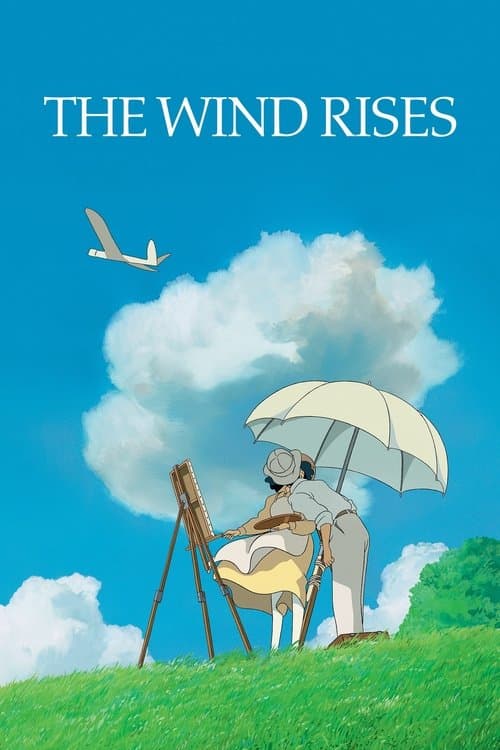
The Wind Rises
Hayao Miyazaki · 2013
Jiro Horikoshi, the engineer who designed Japan's World War II Zero fighter plane, pursues his dream of creating beautiful aircraft while falling in love with a woman dying of tuberculosis — the film holding both the beauty of his creation and the destruction it enabled in the same frame. Miyazaki's meditation on the artist's bargain.
Techniques Used
4 techniques identified in this film
Autobiographical Distance
NarrativeThe use of a fictionalized or historical protagonist to mediate an adult filmmaker's own preoccupations.
How this film uses it
Miyazaki has spoken of the film as a self-portrait — the artist who creates beautiful things knowing they will be used for destruction, the dream of flight inseparable from the military purpose that funds it — the historical Horikoshi a vessel for the animator's own questions about what art costs.
Dream Logic Structure
NarrativeA narrative that uses the logic of dreams — associative, emotionally driven, spatially impossible — as a legitimate narrative mode.
How this film uses it
Jiro's dreams of flight and of Caproni operate with the full internal consistency of actual dreaming — wind and aircraft and conversation existing in spaces that follow emotional rather than physical laws, the dreams as real to the film as the waking scenes of engineering and romance.
Animation as Emotional Amplifier
EditingThe use of animation's capacity for visual abstraction to access emotional states that live-action realism cannot reach.
How this film uses it
Miyazaki renders the 1923 earthquake entirely through hand-drawn animation — the ground moving, the city falling, the fire spreading across Tokyo — the drawn disaster more emotionally immediate than any live-action or digital equivalent because animation renders catastrophe from the inside of perception rather than from observational distance.
Observational Restraint
NarrativeA filmmaking approach that withholds explanation, allowing behavior and environment to communicate character meaning without dialogue.
How this film uses it
Miyazaki films Jiro's love for Naoko and his love for aircraft with the same quiet attention — never underlining the parallel, trusting the audience to feel that both the woman and the plane are subjects of the same devotion, the same tragedy.
You Might Also Like
Films that share at least one technique with The Wind Rises

A celebrated Polish Jewish pianist survives the destruction of the Warsaw Ghetto by hiding in bombed-out buildings while the city is razed around him. An unflinching survivor's film built on the insistence that ordinary life — and art — continue inside catastrophe.
The Pianist
Roman Polanski · 2002

Christine 'Lady Bird' McPherson navigates her senior year at a Sacramento Catholic school — first love, best friends, college applications, and the complicated love-war with her mother — in Greta Gerwig's semi-autobiographical debut. The film is about the places we claim and the people we can't stop needing.
Lady Bird
Greta Gerwig · 2017
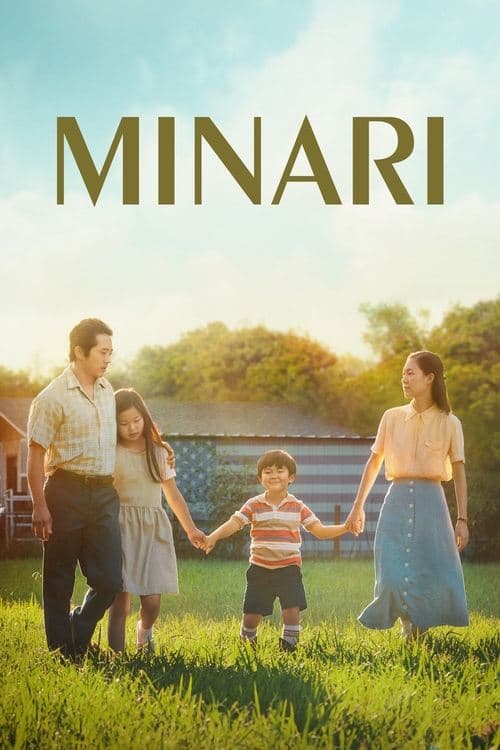
A Korean-American family moves to rural Arkansas in the 1980s to start a farm selling vegetables to the Korean immigrant community, and the arrival of the grandmother from Korea precipitates a crisis that tests whether the American Dream and family love can coexist. Lee Isaac Chung's autobiographical film is about what immigrant parents sacrifice for their children's futures.
Minari
Lee Isaac Chung · 2020