
The Tree of Life
Terrence Malick · 2011
An adult man named Jack remembers his 1950s Texas childhood — his gentle mother, his severe father, and the loss that divided their family — in a film that expands those memories into a twenty-minute meditation on the origin of the universe. Terrence Malick's most ambitious film asks what individual human grief means in the context of four billion years of life.
Techniques Used
5 techniques identified in this film
Non-Diegetic Insert
EditingCutting to an image or sound that exists outside the film's story world — functioning as commentary, memory, or emotional annotation rather than narrative information.
How this film uses it
The film's cosmological sequence — twenty minutes of nebulae, volcanism, cellular life, and dinosaurs inserted into a domestic 1950s drama — is the most extended non-diegetic insert in mainstream cinema. Malick uses the insert not as spectacle but as context: the human grief at the film's center is real and tiny simultaneously.
Subjective Camera
CinematographyPositioning the camera at a character's literal point of view — so that the audience sees what the character sees, the camera becoming a body in the scene.
How this film uses it
Emmanuel Lubezki films the childhood sequences from children's eye level — low angles looking up at parents, at trees, at sky. The camera adopts children's physical relationship to the world: adults are monumental, light comes from above, the ground is close. The subjective grammar makes childhood a specific physical condition rather than a sentimental category.
Retrospective Voiceover
NarrativeA narrator who recounts events from a position of hindsight — the telling shaped by knowledge of how the story ended, grief coloring every happy memory.
How this film uses it
Jack's adult voiceover addresses God, his mother, and his dead brother in fragments that do not narrate so much as interrogate. The retrospective voice is not explaining the past but still living inside its questions — Malick's film posits that grief does not end, it simply becomes the condition of adult perception.
Handheld Cinema Vérité
CinematographyUsing handheld camera movement to create physical immediacy — the camera's instability communicating bodily presence in a scene.
How this film uses it
Lubezki's handheld work in the Texas sequences captures childhood's physical reality: the camera moves with children through grass and water and summer air, the instability reproducing the sensory immediacy of memory rather than its composed retrospective appearance. The handheld grammar makes remembering a physical act.
Proleptic Opening
NarrativeBeginning a film with images or sequences that anticipate the film's themes, emotional texture, and formal strategies before the story begins.
How this film uses it
The film opens with a voiceover about two ways through life — the way of nature and the way of grace — before a single character or event is introduced. The proleptic opening is the film's entire argument stated as thesis: everything that follows is illustration, the cosmological sequence and the family drama both examples of the same question asked at different scales.
You Might Also Like
Films that share at least one technique with The Tree of Life
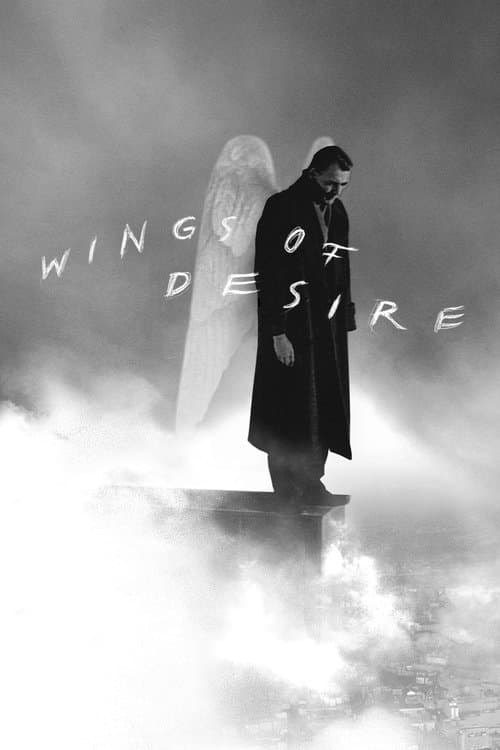
Two angels wander through West Berlin listening to the interior thoughts of its inhabitants, until one of them falls in love with a trapeze artist and chooses to become mortal. Wim Wenders' film is a meditation on embodiment, history, and what is irreplaceable about the experience of being alive.
Wings of Desire
Wim Wenders · 1987

A woman in her early thirties reviews footage from a holiday she took with her father when she was eleven, trying to recover something she didn't understand at the time. Wells's debut film reconstructs a past through the double lens of a child's incomplete perception and an adult's incomplete understanding.
Aftersun
Charlotte Wells · 2022
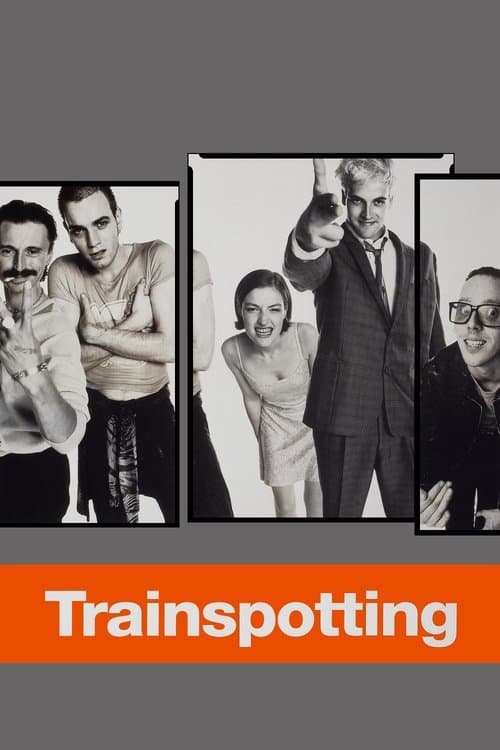
Mark Renton and his circle of heroin-addicted friends navigate Edinburgh's underclass — petty crime, overdoses, unemployment, and the occasional attempt to get clean — until a drug deal offers one of them a way out. Danny Boyle's film is the most energetic portrait of self-destruction in British cinema.
Trainspotting
Danny Boyle · 1996