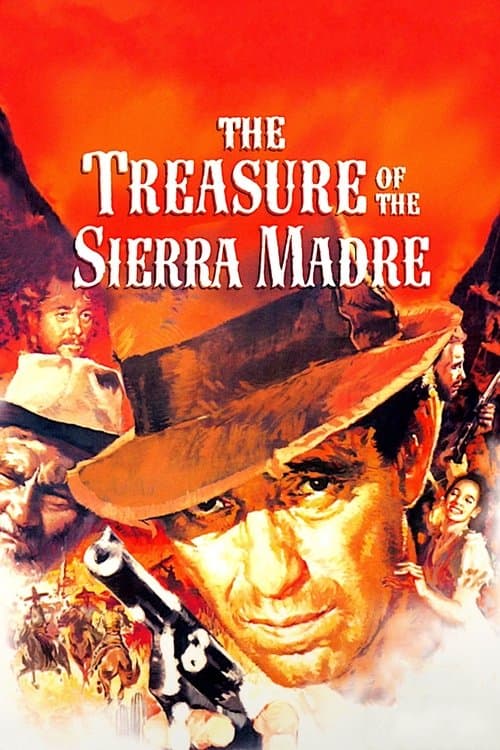
The Treasure of the Sierra Madre
John Huston · 1948
Three American drifters in Mexico strike gold in the mountains and discover that the real danger is not bandits but what greed does to a man's ability to trust anyone. John Huston's pessimistic adventure film treats the acquisition of wealth as a psychological autopsy.
Techniques Used
5 techniques identified in this film
Escalating Moral Stakes
NarrativeA narrative structure in which each decision raises the cost of the next, so that characters are progressively committed to positions they could not have foreseen choosing — moral stakes compounding with each scene.
How this film uses it
Dobbs' paranoia develops incrementally: first reasonable, then excessive, then murderous. Each escalation is motivated by what preceded it, making the psychological deterioration feel inevitable rather than arbitrary. The gold does not corrupt Dobbs; it removes the conditions that previously kept his character's worst tendencies latent.
Character Arc Inversion
NarrativeA protagonist who moves in the opposite moral direction from the conventional arc — beginning sympathetically and ending as the film's antagonist, the inversion making the audience complicit in their initial investment.
How this film uses it
Dobbs is introduced as a likable underdog whose hardship generates sympathy. The film uses that sympathy against the audience: by the time Dobbs has become capable of murder, the audience's earlier identification makes his transformation more disturbing than if he had been villainous from the start.
Landscape as Sacred Geography
CinematographyUsing natural landscape — mountains, plains, rivers — not as backdrop but as spiritual and moral terrain that the characters must navigate both physically and symbolically.
How this film uses it
The Sierra Madre mountains are both the source of the gold and the film's moral testing ground. Every ascent toward the mine is a descent into the men's worst selves; the landscape is indifferent to their greed and unchanged by their destruction. The mountains outlast all of them.
Symbolic Object
NarrativeAn object given such sustained narrative and visual attention that it accumulates meaning beyond its literal function — becoming a vessel for the film's thematic concerns.
How this film uses it
The gold dust is the film's central symbolic object: the thing every character sacrifices something for, the thing that weighs nothing and destroys everything. Its final dispersal by wind — returned to the mountains without consequence — is the film's darkest joke and its most complete argument.
Earned Catharsis
NarrativeA climactic emotional release that the narrative has systematically built toward — not sentiment applied from outside but feeling that arrives because the film has laid the necessary groundwork.
How this film uses it
The film's catharsis is laughter — Howard's laughter at the cosmic joke of the gold's dispersal is earned by every scene of greed and paranoia preceding it. The release is ironic rather than sentimental, but it is genuine: after so much grimness, a man laughing at his own ruin is the only possible relief.
You Might Also Like
Films that share at least one technique with The Treasure of the Sierra Madre
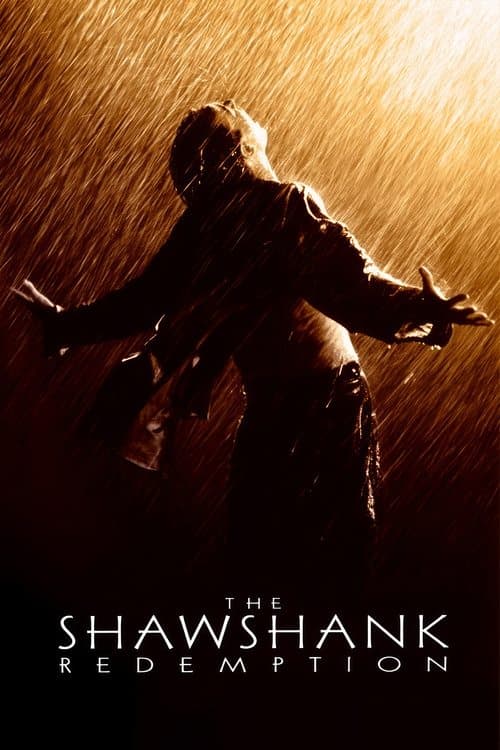
A banker wrongly convicted of murder endures nearly two decades inside Shawshank Prison through quiet resistance, unlikely friendship, and an unbroken will. A film about hope as an act of defiance against the slow machinery of institutional dehumanization.
The Shawshank Redemption
Frank Darabont · 1994

Scottish warrior William Wallace leads a revolt against English oppression in the 13th century, sacrificing everything for a nation's freedom. A sweeping historical epic that locates its emotional power in landscape, sacrifice, and the impossibility of surrender.
Braveheart
Mel Gibson · 1995

Dani joins her emotionally distant boyfriend and his anthropology friends on a trip to a remote Swedish commune for a midsummer festival that reveals itself, over nine days of relentless daylight, as something ancient and murderous. Ari Aster's folk horror is also a breakup film — the commune offers Dani the grief processing her boyfriend never could.
Midsommar
Ari Aster · 2019