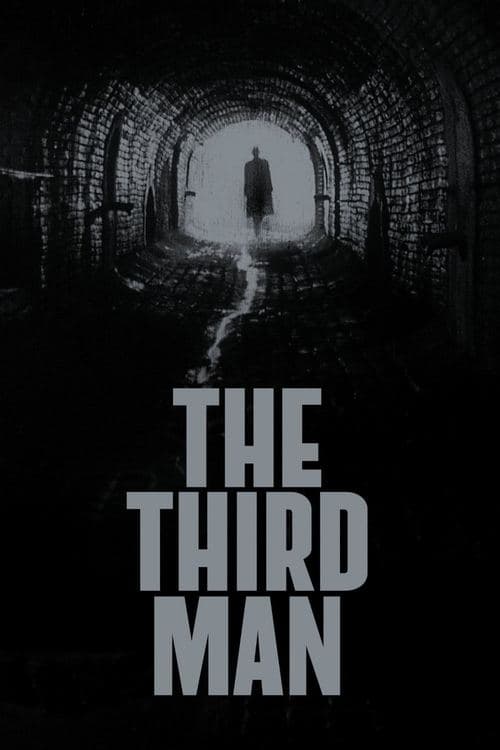
The Third Man
Carol Reed · 1949
An American pulp novelist arrives in postwar Vienna to meet his friend Harry Lime, only to find him recently dead — and then discovers Harry may not be dead at all. Reed's film uses Vienna's ruins as a moral landscape and produces one of cinema's greatest villains.
Techniques Used
4 techniques identified in this film
Dutch Angle
CinematographyA camera tilted off its horizontal axis, creating diagonal lines in the frame — associated with psychological unease, moral instability, or the distortion of a character's reality.
How this film uses it
Reed and cinematographer Robert Krasker use extreme Dutch angles throughout — entire sequences shot with the camera canted fifteen to thirty degrees off axis. The effect makes postwar Vienna feel morally unstable: a city where the normal rules don't apply, where a charming man can sell diluted penicillin to dying children and remain charming.
Chiaroscuro Lighting
CinematographyHigh-contrast lighting using deep shadows and isolated sources to create moral and psychological meaning through the relationship between illumination and darkness.
How this film uses it
Krasker's photography gives Vienna its defining visual quality: pools of lamplight on wet cobblestones, figures emerging from doorway shadows, the black-and-white rendered in extremes that make the city feel like a moral argument rather than a location. Harry Lime's reveal — the cat, the doorway shadow, the lamplight — is the most famous use of chiaroscuro in film noir.
The MacGuffin
NarrativeA plot device — an object, person, or goal — that motivates every character's pursuit but whose ultimate content or value is revealed to be beside the point.
How this film uses it
Harry Lime is the film's MacGuffin: the object of Holly's search, Anna's grief, and the military police's investigation. What makes the film remarkable is that it delivers its MacGuffin — Harry appears, speaks, explains himself — and then the film's real subject becomes visible: Holly's romantic naivety, and what happens when the myth you built your world on is exposed as a monster.
Unreliable Narrator
NarrativeA protagonist through whose limited, romantically distorted perspective events unfold — their account shaped by loyalty and self-deception rather than clear sight.
How this film uses it
Holly Martins is the film's worst possible investigator: he loved Harry Lime and cannot see him clearly. Every account he is given of Harry's villainy he dismisses or reframes. The film is structured around Holly's systematic dismantling — each scene removing another layer of the story he told himself about his friend.
You Might Also Like
Films that share at least one technique with The Third Man
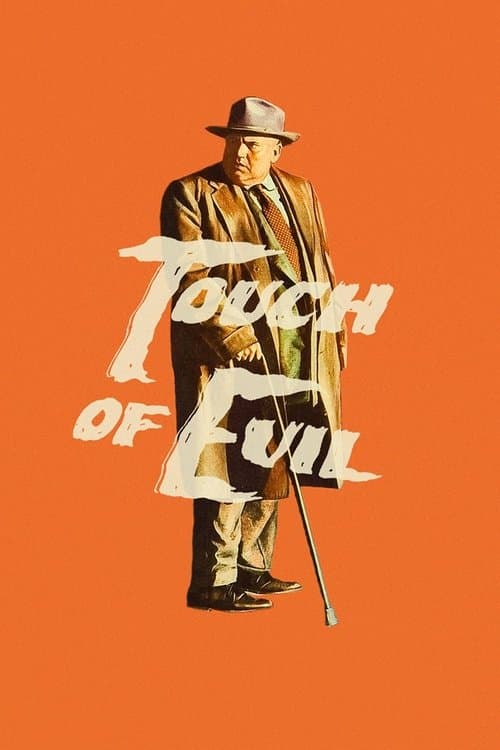
A Mexican narcotics detective and his American wife become entangled with a corrupt Texas police captain on both sides of the border after a car bombing. Welles' baroque masterpiece opens with cinema's most famous tracking shot.
Touch of Evil
Orson Welles · 1958
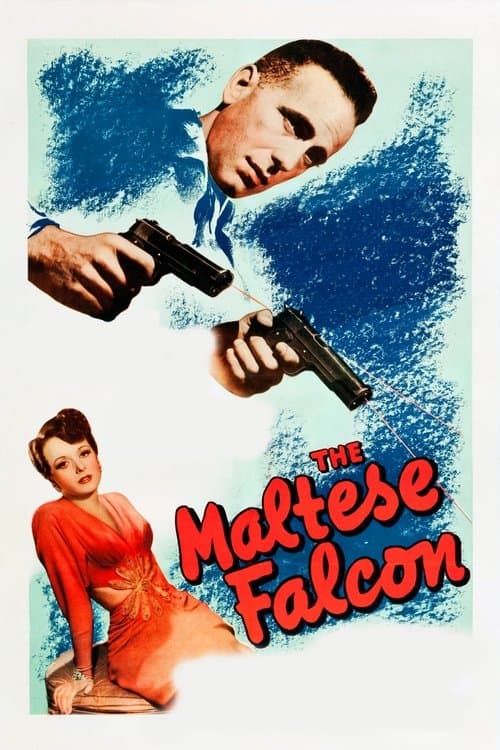
A San Francisco private detective is hired by a mysterious woman who is being followed, and finds himself at the center of a lethal competition for a jewel-encrusted statuette of a black bird. The film that invented film noir.
The Maltese Falcon
John Huston · 1941
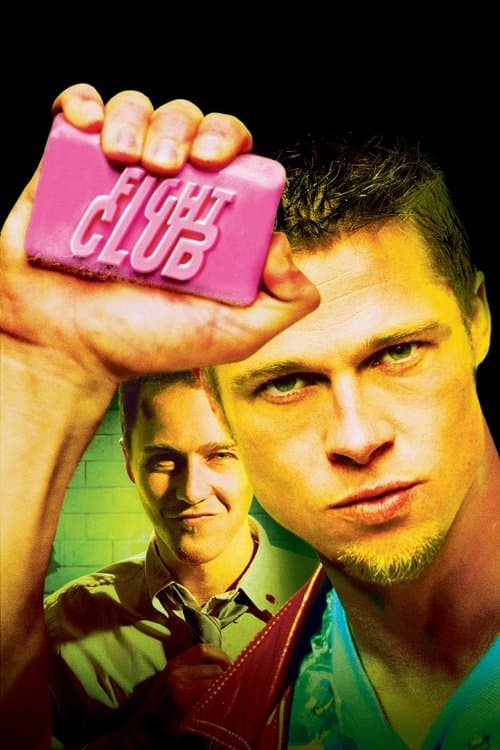
An insomniac office worker and a charismatic soap salesman form an underground fight club that evolves into something far more dangerous. A critique of consumer masculinity that implicates the viewer in its protagonist's pathology.
Fight Club
David Fincher · 1999