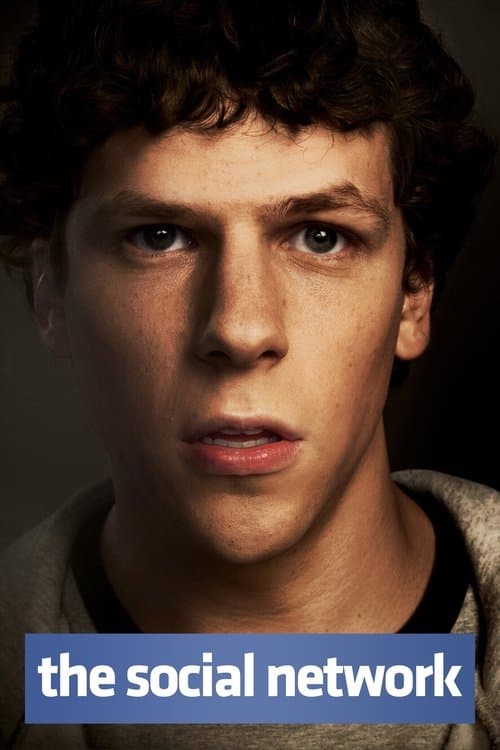
The Social Network
David Fincher · 2010
The founding of Facebook is reconstructed through two simultaneous depositions — a legal process that reveals how a social network built to connect people was created by someone who could not. Fincher's film moves at the speed of thought and uses Aaron Sorkin's dialogue as a weapon.
Techniques Used
4 techniques identified in this film
Non-Linear Narrative
NarrativeA story told out of chronological order — moving between time periods so that the arrangement of events carries meaning beyond what is depicted.
How this film uses it
The film is structured around two deposition proceedings that intercut with the past they are reconstructing. The legal present and the creative past are constantly in dialogue — each deposition moment is a verdict on a past scene we are simultaneously watching. The non-linearity makes the film about interpretation rather than event.
Parallel Chronology
EditingTwo simultaneous timelines — past and present, or two simultaneous past events — intercut so that each illuminates the other.
How this film uses it
The Winklevoss lawsuit deposition and the Saverin lawsuit deposition run simultaneously with each other and with the events they describe. Fincher cuts between three temporal positions: the Harvard past, the legal present of one suit, and the legal present of the other. The parallel structure makes the audience experience the same events from multiple legal and temporal perspectives.
Kinetic Editing
EditingAn editing rhythm so precisely controlled that cuts generate physical energy — the pacing creating momentum that carries the audience through scenes.
How this film uses it
Kirk Baxter and Angus Wall cut the film at the speed of Zuckerberg's coding — ideas arriving and being executed before the preceding thought has fully landed. Sorkin's overlapping dialogue and Fincher's precise shot selection make the editing feel less like assembly and more like a current. The audience does not have time to form independent judgments; they are pulled through.
Ambiguous Antagonist
NarrativeA narrative in which the antagonist's role cannot be stably assigned — where the figure who causes harm is also the film's most compelling protagonist, and the victim and villain positions keep reversing.
How this film uses it
Is Zuckerberg the villain who betrayed his only friend, or the visionary who was encumbered by people who couldn't keep up? Is Eduardo the wronged partner or the man who froze the account? The film structures every relationship so that no one is simply right. The depositions are the vehicle for this ambiguity — each side presents its case, and the film refuses to adjudicate.
You Might Also Like
Films that share at least one technique with The Social Network
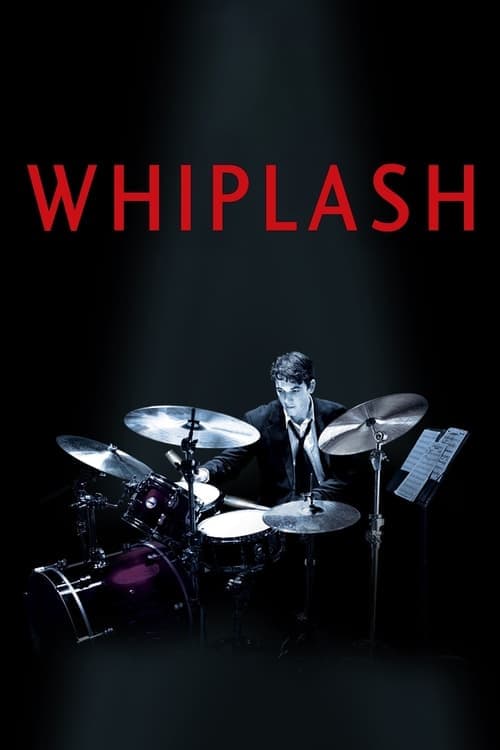
A jazz drumming prodigy at a cutthroat conservatory is pushed to the breaking point by a ferociously demanding conductor. A visceral examination of obsession, abuse, and the price of greatness.
Whiplash
Damien Chazelle · 2014
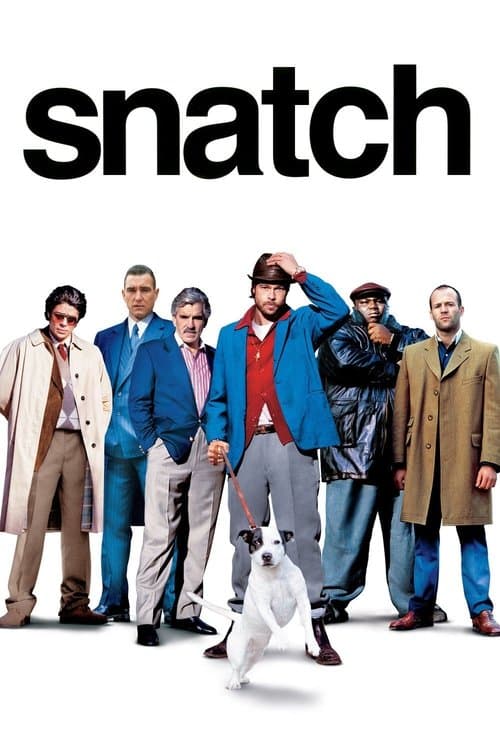
A stolen diamond, a bare-knuckle boxing match, and a series of spectacularly unlucky criminals converge in a chaos of escalating misfortune across London's criminal underworld. Guy Ritchie's second feature is a machine for controlled disorder — every complication is the setup for a worse complication.
Snatch
Guy Ritchie · 2000
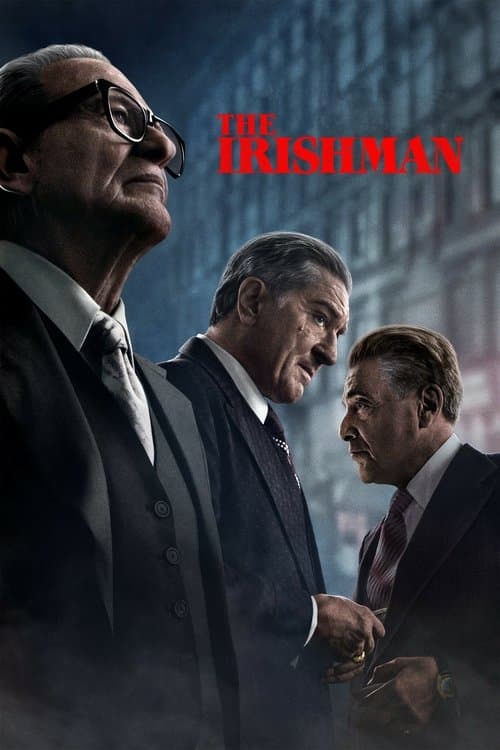
Frank Sheeran, a WWII veteran turned mob hitman, recounts his life of organized crime — including his alleged role in the disappearance of Jimmy Hoffa — from the vantage point of a nursing home. Scorsese's three-and-a-half-hour elegy is less interested in crime than in what a life of it leaves behind.
The Irishman
Martin Scorsese · 2019