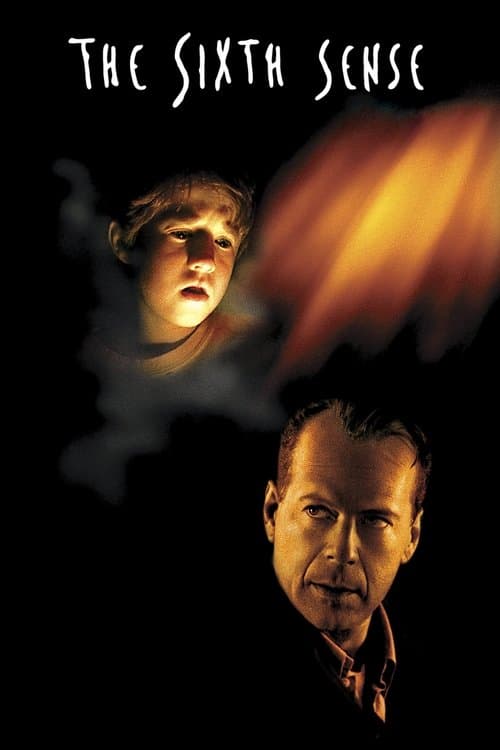
The Sixth Sense
M. Night Shyamalan · 1999
A child psychologist works with a troubled young boy who claims he can see dead people — and the film's final revelation retroactively transforms everything the audience thought they were watching. The most precisely constructed twist film in Hollywood history.
Techniques Used
4 techniques identified in this film
Retroactive Reframing Revelation
NarrativeA climactic revelation that retroactively transforms the meaning of every preceding scene — requiring the audience to mentally reconstruct the entire film with new knowledge.
How this film uses it
Shyamalan constructs the film so that every scene has two simultaneous coherent interpretations — one visible, one hidden. The revelation doesn't break the preceding film; it completes it. Every detail was already consistent with the truth. The audience must replay the film they thought they watched and find the other film that was always there.
Unreliable Reality
PsychologyA film whose world may be subjective or contain a hidden layer of truth that the protagonist and audience cannot access until a revelation forces reexamination.
How this film uses it
The film presents Malcolm's reality as continuous and verifiable — he goes places, meets people, has conversations. The revelation exposes this reality as partially constructed. What the audience took as the film's grounded world was always already haunted by a truth the film withheld through precise, disciplined narrative control.
Chiaroscuro Lighting
CinematographyHigh-contrast lighting using deep shadows and isolated sources to create psychological and atmospheric meaning through the relationship between light and darkness.
How this film uses it
Tak Fujimoto's cinematography consistently underexposes the film's world, creating pockets of darkness in domestic spaces where the dead appear. The children's spaces are particularly shadowed — closets, corners, the space under beds. Light is not safety in this film; it is simply where the living feel comfortable, which is not the same thing.
Strategic Silence
SoundDeliberate, designed silence at key dramatic moments — the absence of score or ambient sound used to isolate a moment and force the audience to attend to it completely.
How this film uses it
Shyamalan drops the score entirely before the film's key revelatory moments. When Cole tells Malcolm his secret, the ambient sound bed recedes. The silence functions as a frame — it says: this moment requires your complete attention. The technique teaches the audience to read silence as a signal throughout the film.
You Might Also Like
Films that share at least one technique with The Sixth Sense
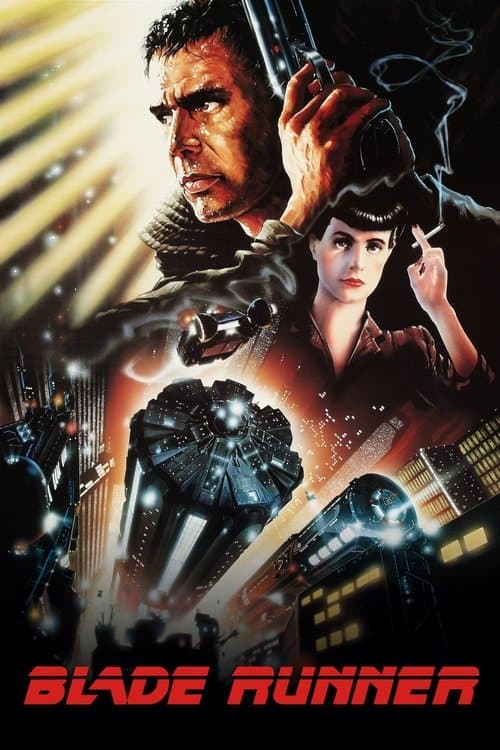
A detective in a rain-soaked 2019 Los Angeles hunts down escaped synthetic humans called replicants, and begins to question the nature of his own humanity. The film that defined the visual grammar of cinematic dystopia.
Blade Runner
Ridley Scott · 1982
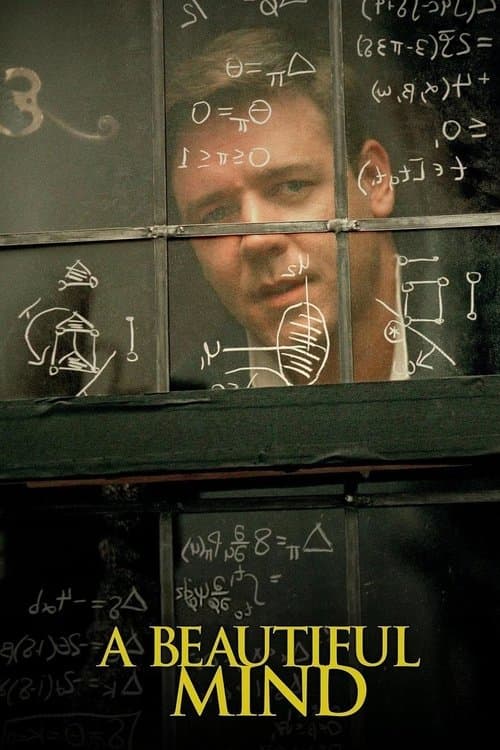
The mathematician John Nash develops groundbreaking game theory while battling paranoid schizophrenia — a condition the film initially presents as reality, then reveals as hallucination. A biography structured as a psychological thriller about the nature of perception.
A Beautiful Mind
Ron Howard · 2001
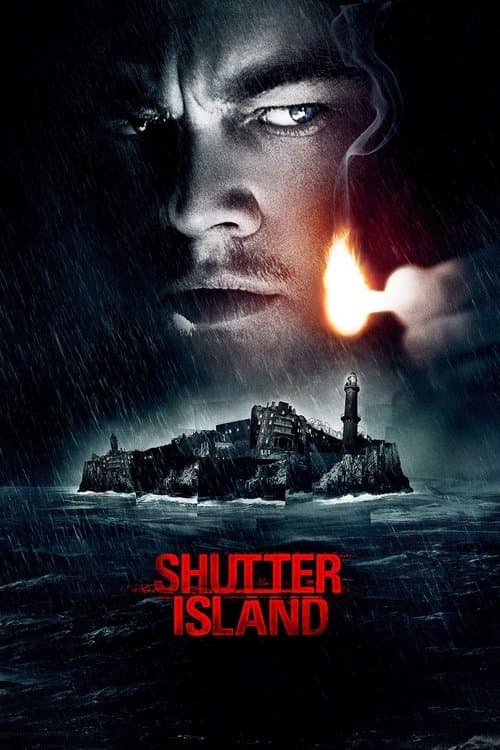
A U.S. Marshal investigates the disappearance of a patient from a remote island psychiatric facility — and begins to doubt the reality of everything around him. Scorsese's most formally extravagant film uses genre conventions as a trap.
Shutter Island
Martin Scorsese · 2010