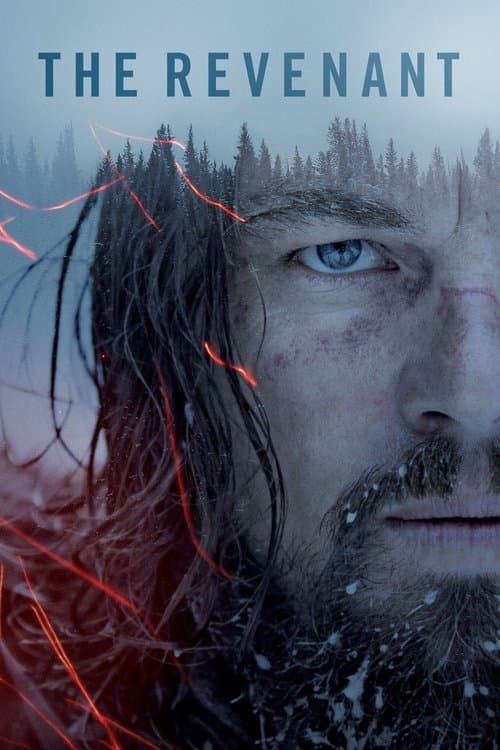
The Revenant
Alejandro G. Iñárritu · 2015
Fur trapper Hugh Glass is mauled by a bear and left for dead by his companions in the uncharted American wilderness, and survives a punishing winter landscape driven entirely by the will to reach the man who killed his son. Iñárritu's film is a sustained inquiry into what the body can endure and what survival costs.
Techniques Used
5 techniques identified in this film
In-Camera Practical Effects
CinematographyAchieving visual effects through physical, real-world means rather than digital post-production — so that the resulting footage carries the irreplaceable weight of actual material reality.
How this film uses it
Iñárritu shot The Revenant using only natural light and refused studio sets, requiring the production to follow the seasons across Canada and Argentina to capture the specific quality of light at each location. The restriction was not aesthetic ideology but material argument: Glass's survival required real cold, real breath, real mud.
Landscape as Sacred Geography
CinematographyUsing natural landscape — mountains, plains, rivers — not as backdrop but as spiritual and moral terrain that the characters must navigate both physically and symbolically.
How this film uses it
The American wilderness is not scenery in The Revenant; it is the film's antagonist, moral test, and ultimately its judge. The landscape does not care whether Glass survives — its indifference is the film's deepest terror. The sacred geography here is sacred in the sense of untranslatable: beyond human meaning but demanding human navigation.
Physical Transformation as Arc
NarrativeUsing a character's changing physical state — injury, deterioration, recovery — as the film's primary narrative record, the body becoming a visible account of what has happened and what it cost.
How this film uses it
DiCaprio's Glass begins the film healthy and ends it barely alive — his body the film's record of every obstacle survived. The bear mauling, the river hypothermia, the infections and freezing are not obstacles to a story about survival; they are the story, the body as the film's chronological archive.
Subjective Camera
CinematographyPositioning the camera at a character's literal point of view — so that the audience sees what the character sees, the camera becoming a body in the scene rather than an observer of it.
How this film uses it
Emmanuel Lubezki positions the camera inside the bear attack — breathing, lurching, pressed into the ground — making the assault not spectacular but inhabitable. The subjective camera at this moment makes Glass's helplessness the audience's physical experience rather than their observation.
Immersive Combat Sound Design
SoundA sound design that places the audience inside a combat or survival sequence rather than observing it — using acoustic proximity, directionality, and physical detail to make sound a bodily experience.
How this film uses it
The Arikara raid and the bear attack are sonically immersive: gunfire at close range, the bear's breathing and weight, the specific sound of cold weather and frozen ground. Sound designer Martin Hernandez builds an acoustic environment so specific that the audience's body responds to sound cues before the image registers them.
You Might Also Like
Films that share at least one technique with The Revenant
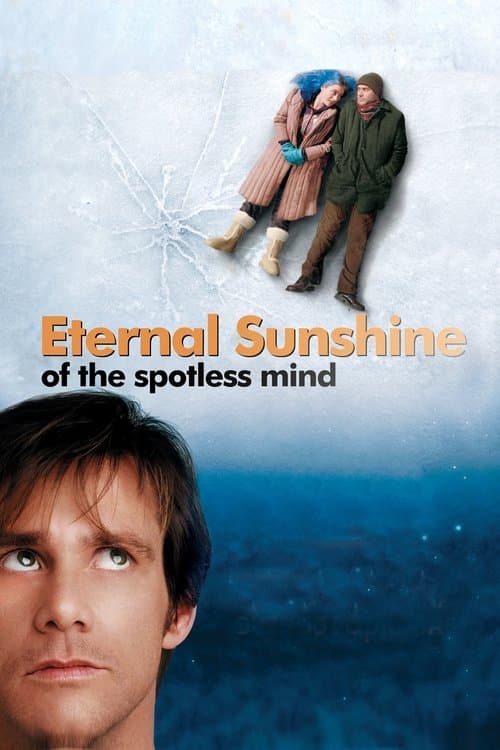
After a painful breakup, a man undergoes a procedure to erase his ex-girlfriend from his memory — but partway through, he changes his mind. A meditation on love, grief, and what makes experience worth having.
Eternal Sunshine of the Spotless Mind
Michel Gondry · 2004
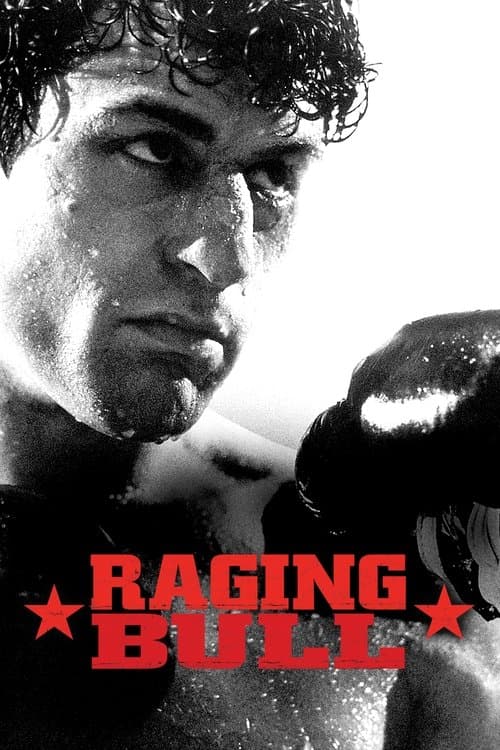
The rise and fall of middleweight boxing champion Jake LaMotta, whose volcanic jealousy and self-destructive rage corrode every relationship in his life. Martin Scorsese's black-and-white portrait is less a sports film than a relentless study in masculine shame.
Raging Bull
Martin Scorsese · 1980
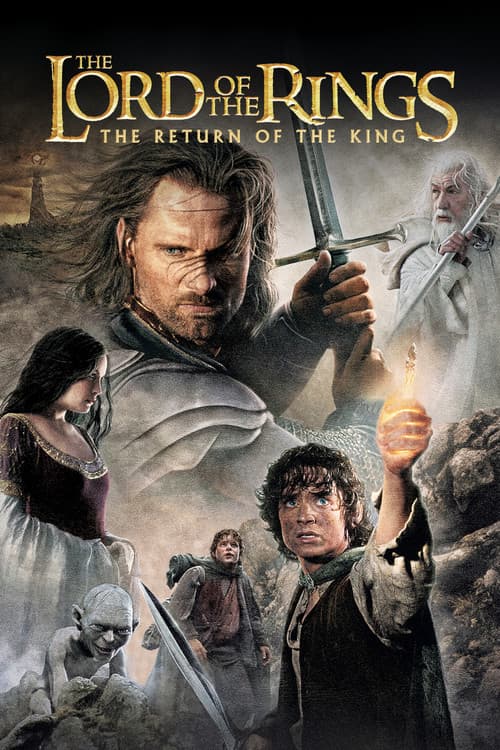
The Fellowship's quest reaches its climax as Frodo and Sam make their final push toward Mount Doom while Aragorn rallies the free peoples of Middle-earth in a desperate last stand. An epic of sacrifice and friendship that earns every one of its multiple emotional endings.
The Lord of the Rings: The Return of the King
Peter Jackson · 2003