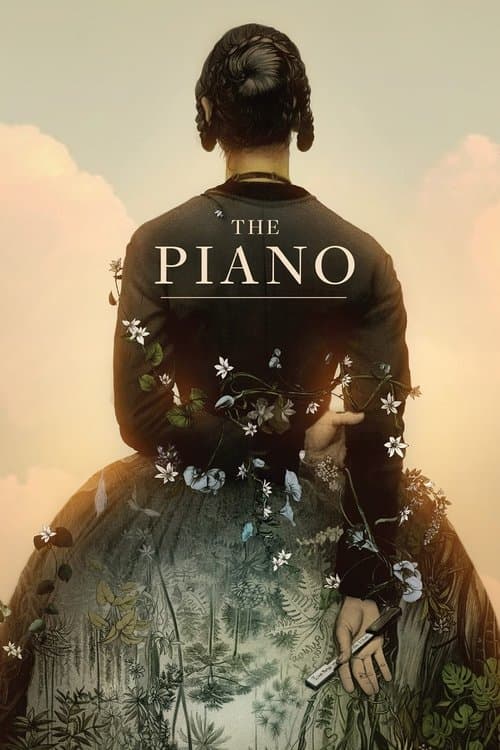
The Piano
Jane Campion · 1993
A mute Scottish woman arrives in colonial New Zealand with her young daughter and her beloved piano, only to find her instrument left on the beach by her new husband and traded to a neighboring man who offers to return it key by key in exchange for intimate contact. The film is a bold exploration of female desire and the language of objects.
Techniques Used
4 techniques identified in this film
Female Agency as Structural Default
NarrativeA narrative structure in which a woman's inner life, choices, and desire are treated as the primary engine of the plot rather than a secondary concern.
How this film uses it
Campion positions Ada's will — not the men competing for her — as the film's true subject. Her voiceover opens the film, her silence is a chosen language, and her desire drives every plot development.
Music as Survival Identity
SoundThe use of a musical instrument or practice as the primary vessel for a character's selfhood, making musical expression inseparable from psychological survival.
How this film uses it
Ada's muteness makes the piano her only full language — Michael Nyman's score becomes her interior voice, the instrument a body extension whose separation from her is a kind of mutilation.
Strategic Silence
SoundThe purposeful removal of dialogue or ambient sound to make a moment feel raw and unmediated.
How this film uses it
Ada's voluntary mutism transforms the film's entire sonic landscape — her silence is not absence but presence, forcing other characters and the audience to find meaning in gesture, expression, and piano.
Observational Restraint
NarrativeA filmmaking approach that withholds explanation, allowing behavior and environment to communicate character meaning without dialogue.
How this film uses it
Campion never explains Ada's silence or her past — the film trusts that her actions and the Nyman score carry enough interior life that backstory would only diminish her.
You Might Also Like
Films that share at least one technique with The Piano
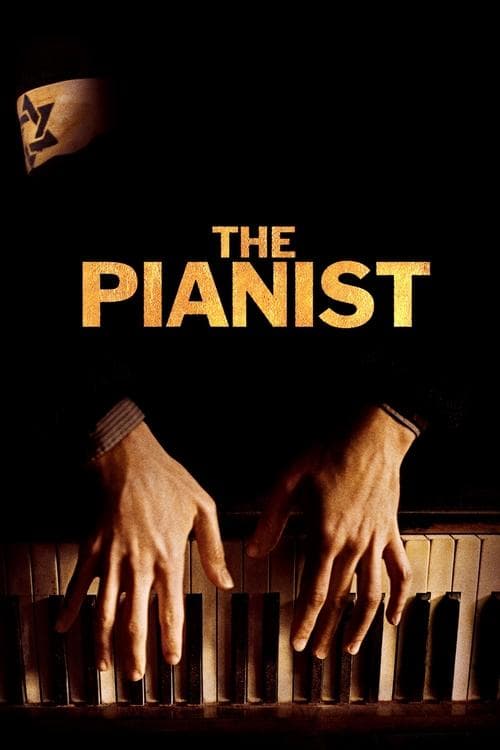
A celebrated Polish Jewish pianist survives the destruction of the Warsaw Ghetto by hiding in bombed-out buildings while the city is razed around him. An unflinching survivor's film built on the insistence that ordinary life — and art — continue inside catastrophe.
The Pianist
Roman Polanski · 2002
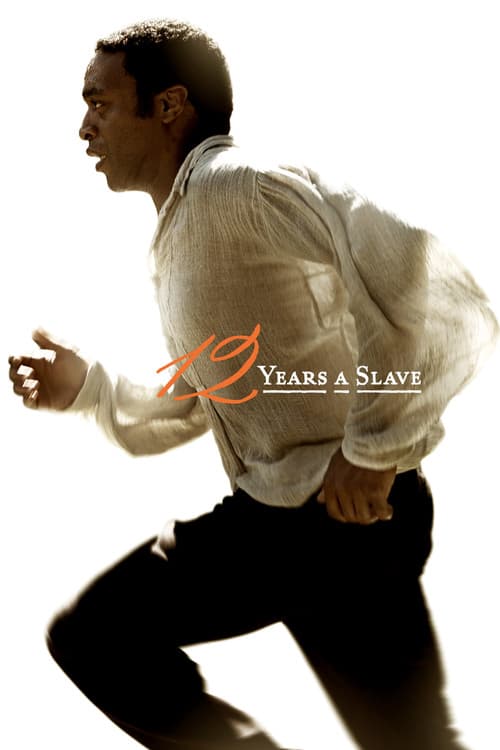
Solomon Northup, a free Black man from New York, is kidnapped and sold into slavery in Louisiana, where he spends twelve years surviving the systematic brutality of the antebellum South before being rescued. Steve McQueen's film refuses every convention of historical suffering — it looks without flinching and does not offer the comfort of resolution.
12 Years a Slave
Steve McQueen · 2013
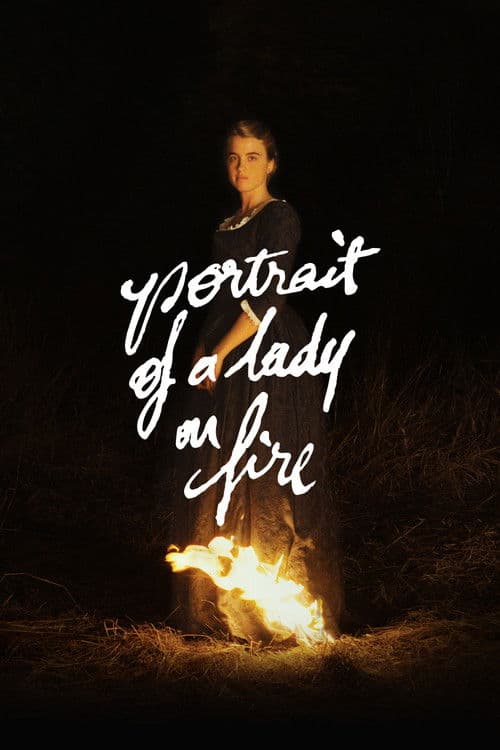
A painter is commissioned to secretly produce a portrait of a reluctant noblewoman intended for a prospective husband — and the process of looking, of being looked at, becomes the structure of a love that convention will not permit. Céline Sciamma's film makes observation itself an erotic and political act.
Portrait of a Lady on Fire
Céline Sciamma · 2019