
The Pianist
Roman Polanski · 2002
A celebrated Polish Jewish pianist survives the destruction of the Warsaw Ghetto by hiding in bombed-out buildings while the city is razed around him. An unflinching survivor's film built on the insistence that ordinary life — and art — continue inside catastrophe.
Techniques Used
4 techniques identified in this film
Observational Restraint
CinematographyA cinematic approach that refuses emotional manipulation — no swelling score, no close-ups designed to extract tears, no editorial commentary — trusting the weight of events to carry meaning without assistance.
How this film uses it
Cinematographer Pawel Edelman and Polanski shoot atrocity with the stillness of a witness rather than the urgency of a journalist. When people are shot or deported, the camera observes from a distance. The restraint is moral as much as aesthetic: the film will not aestheticize the Holocaust.
Spatial Contraction
CinematographyProgressively narrowing the protagonist's physical world across a film — from wide social spaces to increasingly confined hiding places — using the shrinking geography to map the escalating constriction of survival.
How this film uses it
Szpilman's world contracts from concert halls and family apartments to the Ghetto to a series of single rooms and hidden crawlspaces. Edelman's framing tracks this contraction: early frames are wide and populated; later frames are tight, shadowed, and empty of other humans.
Music as Survival Identity
NarrativeUsing a character's art or skill not merely as background texture but as the active instrument of their psychological survival — the thing that preserves identity when external circumstances reduce it to nothing.
How this film uses it
Szpilman cannot play for most of the film — any sound would reveal him. His identity as a pianist is preserved entirely in his interior life: his hands moving on silent keys, his mind sustaining what his fingers cannot express. When he finally plays for the German officer, the music is a resurrection.
Autobiographical Distance
NarrativeA directorial approach in which a filmmaker draws on personal historical experience to resist sentimentality — the proximity of memory producing not melodrama but a cold, precise accuracy.
How this film uses it
Polanski himself survived the Kraków Ghetto as a child. His direction refuses the emotional conventions of the Holocaust film genre — no redemptive arc, no hope narrative, just survival as an animal fact. The restraint comes from someone who was there.
You Might Also Like
Films that share at least one technique with The Pianist

A mute Scottish woman arrives in colonial New Zealand with her young daughter and her beloved piano, only to find her instrument left on the beach by her new husband and traded to a neighboring man who offers to return it key by key in exchange for intimate contact. The film is a bold exploration of female desire and the language of objects.
The Piano
Jane Campion · 1993
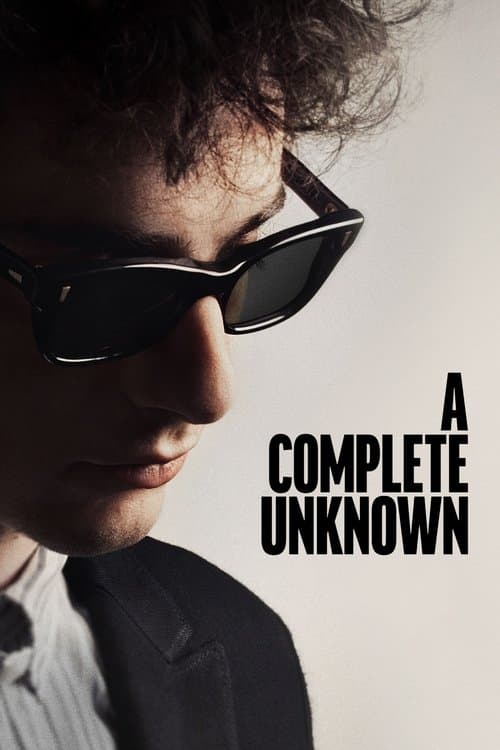
The film charts Bob Dylan's arrival in New York City in 1961 as an unknown teenage folksinger and his meteoric rise through the folk establishment, culminating in his controversial electric performance at the 1965 Newport Folk Festival. James Mangold's film is about the cost of refusing to be what others need you to be.
A Complete Unknown
James Mangold · 2024

Christine 'Lady Bird' McPherson navigates her senior year at a Sacramento Catholic school — first love, best friends, college applications, and the complicated love-war with her mother — in Greta Gerwig's semi-autobiographical debut. The film is about the places we claim and the people we can't stop needing.
Lady Bird
Greta Gerwig · 2017