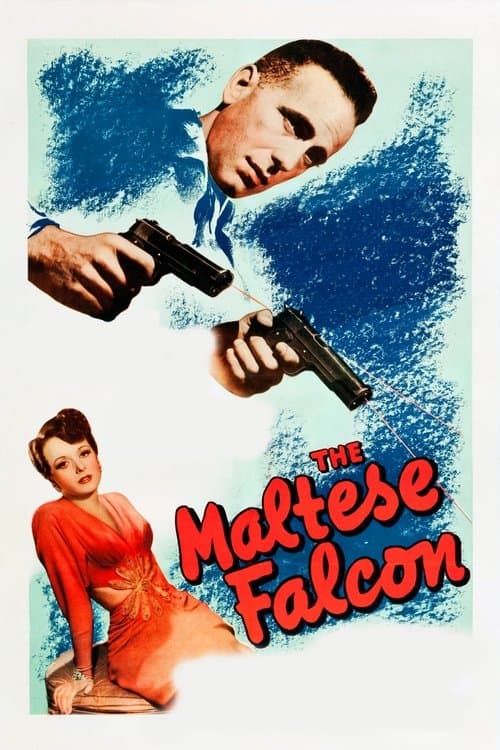
The Maltese Falcon
John Huston · 1941
A San Francisco private detective is hired by a mysterious woman who is being followed, and finds himself at the center of a lethal competition for a jewel-encrusted statuette of a black bird. The film that invented film noir.
Techniques Used
4 techniques identified in this film
The MacGuffin
NarrativeA plot device — an object everyone pursues with desperate intensity — whose actual value is either irrelevant or revealed to be illusory.
How this film uses it
The Maltese Falcon — the jewel-encrusted statuette — is the film's entire plot engine. Every character has killed or will kill to possess it. When the falcon is revealed to be a fake, Spade's line — 'the stuff that dreams are made of' — is the MacGuffin's ultimate definition: the object was never the point; the desire was. Huston and Hammett named the MacGuffin before the term existed.
Chiaroscuro Lighting
CinematographyHigh-contrast lighting using deep shadows and isolated sources to create moral and psychological meaning — the visual grammar of moral complexity made literal.
How this film uses it
Arthur Edeson's photography establishes the noir visual template: faces half in shadow, rooms lit by single lamps, venetian blind patterns on walls. Every character in the film has a shadowed side — literally and morally. The lighting system argues that in this world, no one is fully illuminated, including the detective.
Forensic Inference Narration
NarrativeA narrative built around a detective's process of reasoning from behavior and testimony to truth — the investigation as the story's spine.
How this film uses it
Spade's investigation is entirely behavioral — he reads people rather than evidence. Every meeting is an interrogation; every conversation yields inference. Huston gives the audience exactly what Spade has — gesture, contradiction, evasion — and lets the audience reason alongside him. Spade is almost never wrong, which makes his final choice all the more significant.
Unreliable Narrator
NarrativeA central figure through whose actions and perspective events unfold — but whose moral authority or complete understanding is systematically compromised.
How this film uses it
Spade is the audience's guide through the film, but he is playing his own game. His loyalty is to his own code — a code the film never fully articulates. He turns Brigid in not because she is guilty (everyone in the film is guilty) but because of the specific rule she violated. Huston withholds Spade's internal logic until the final scene, making the audience uncertain whose side he is on throughout.
You Might Also Like
Films that share at least one technique with The Maltese Falcon
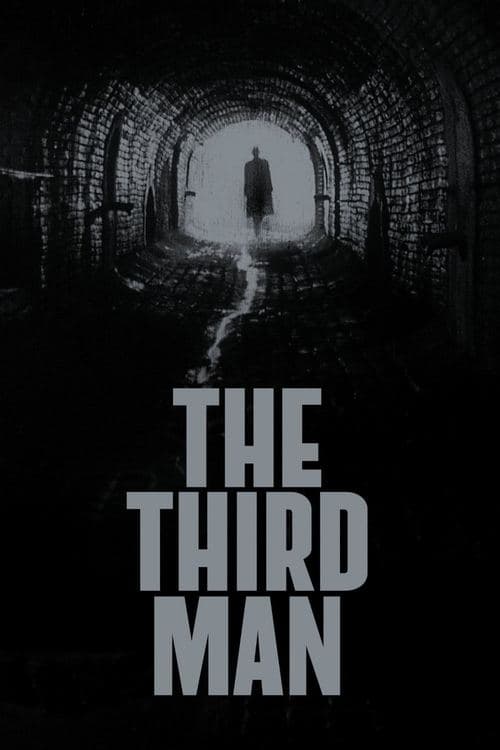
An American pulp novelist arrives in postwar Vienna to meet his friend Harry Lime, only to find him recently dead — and then discovers Harry may not be dead at all. Reed's film uses Vienna's ruins as a moral landscape and produces one of cinema's greatest villains.
The Third Man
Carol Reed · 1949
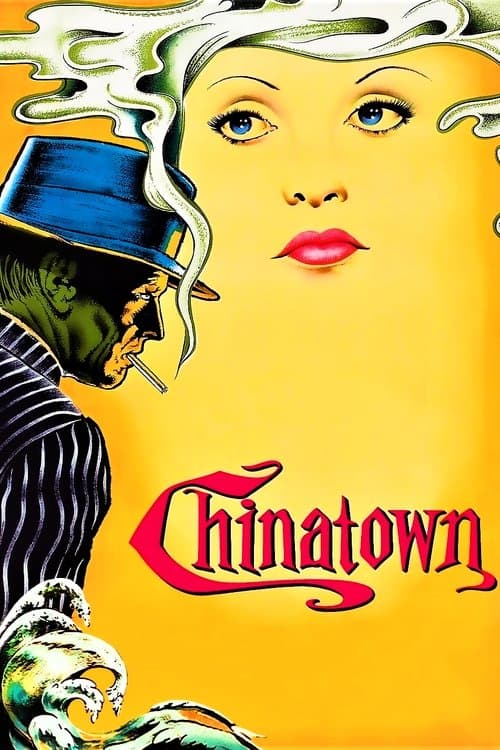
A Los Angeles private detective hired to investigate a supposed adultery uncovers a conspiracy involving the city's water supply — and discovers that the truth is far worse than any crime he expected to find. The defining neo-noir, built on the impossibility of justice.
Chinatown
Roman Polanski · 1974
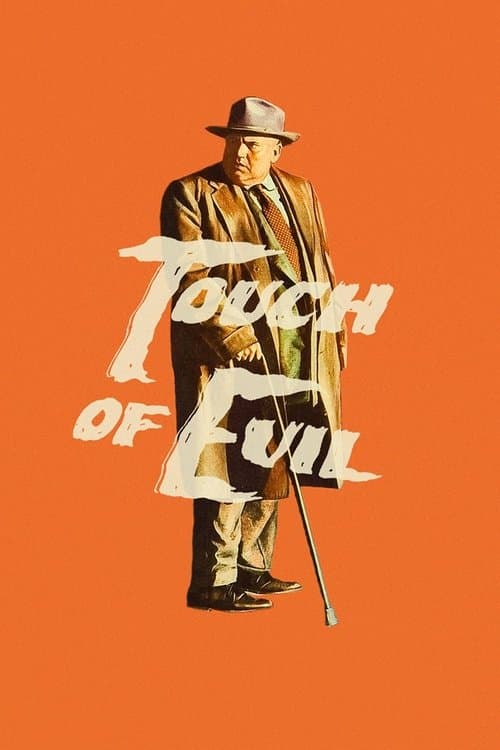
A Mexican narcotics detective and his American wife become entangled with a corrupt Texas police captain on both sides of the border after a car bombing. Welles' baroque masterpiece opens with cinema's most famous tracking shot.
Touch of Evil
Orson Welles · 1958