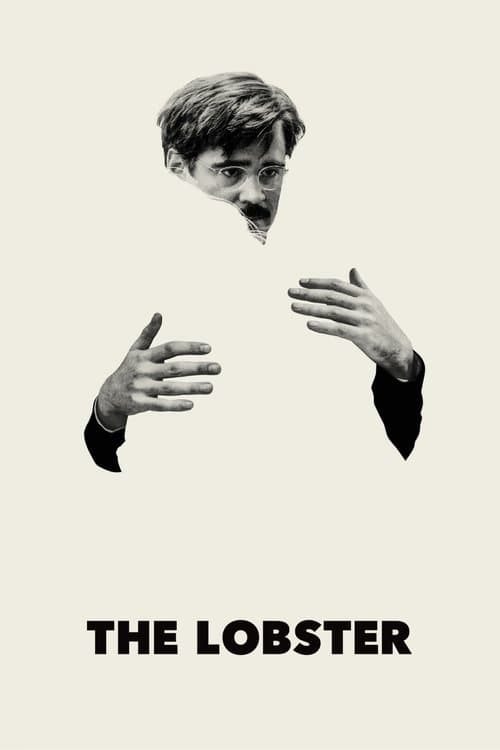
The Lobster
Yorgos Lanthimos · 2015
In a near-future society, single people are taken to a hotel where they must find a romantic partner within 45 days or be transformed into an animal of their choosing. Yorgos Lanthimos uses bureaucratic absurdism to examine how society enforces coupling — and what people do to themselves to conform.
Techniques Used
5 techniques identified in this film
Deadpan Absurdism
NarrativeRendering extreme or violent events through flat affect, mundane dialogue, and bureaucratic procedure — creating comedy from the collision between event and response.
How this film uses it
The Hotel's transformation rules, the masturbation prohibition, the hunting excursions, and the animal conversion itself are all delivered with total institutional affectlessness. Lanthimos' actors treat every absurd rule as self-evidently rational — the comedy emerges entirely from the gap between content and delivery.
Institutional Architecture
NarrativeRepresenting the antagonist force not as individual villains but as an institutional system — showing its procedures, its spatial organization, and its logic as the actual source of the film's conflict.
How this film uses it
The Hotel has administrators, a social calendar, compatibility rules, and enforcers. It is not cruel individually — it simply applies its logic without modification for human particularity. The institution's architecture is the film's satirical target: the regulatory system that turns love into compliance.
Environmental Satire
NarrativeUsing a specific environment as the target of sustained satirical analysis — exposing its logic through exaggeration of what is already implicit within it.
How this film uses it
The Hotel satirizes contemporary coupling culture by literalizing its implicit demands. The Loners in the woods satirize the opposite extreme — their prohibition on romantic behavior is as coercive as the Hotel's requirement. Lanthimos identifies institutional coercion on both sides of the culture war over couplehood.
Tonal Bifurcation
NarrativeSustaining two entirely distinct tonal registers within a single film — allowing them to exist in tension without resolving either, so that the collision becomes the film's meaning.
How this film uses it
The Lobster operates as absurdist comedy and as a film about real loneliness, violence, and the mutilation people perform to belong. Neither register undermines the other. Their collision is the point — Lanthimos forces the audience to laugh and then sit with what they laughed at.
Symbolic Object
NarrativeAn object given such sustained narrative and visual attention that it accumulates meaning beyond its literal function — becoming a vessel for the film's thematic concerns.
How this film uses it
The animal each person chooses upon failure — David's lobster — is the film's central symbolic object. It is not arbitrary; the animal is a self-portrait. David's choice (long-lived, blue-blooded, fertile) is the film's most revealing moment of self-knowledge, the object defining the character before the story begins.
You Might Also Like
Films that share at least one technique with The Lobster
A banker wrongly convicted of murder endures nearly two decades inside Shawshank Prison through quiet resistance, unlikely friendship, and an unbroken will. A film about hope as an act of defiance against the slow machinery of institutional dehumanization.
The Shawshank Redemption
Frank Darabont · 1994
A junior insurance clerk loans his apartment to his company's executives for their extramarital affairs, hoping for a promotion — until the woman he loves turns out to be one of their mistresses. Wilder's blackest comedy is also his most humane film.
The Apartment
Billy Wilder · 1960
Two musicians witness the St. Valentine's Day Massacre and hide from the mob by joining an all-female band in drag — and one of them falls in love with the band's singer. Wilder's fastest, most accomplished comedy, and the most fully achieved farce in American cinema.
Some Like It Hot
Billy Wilder · 1959