
The Handmaiden
Park Chan-wook · 2016
A Korean pickpocket hired to pose as a handmaiden to a wealthy Japanese heiress in colonial Korea begins as part of a con to steal the heiress's fortune — but the con collapses as the two women fall in love. Park Chan-wook tells the story three times, each version revealing what the previous concealed.
Techniques Used
5 techniques identified in this film
Multiple Resolution Structure
NarrativeA narrative that provides several mutually exclusive resolutions to a central event — so that the film's meaning accumulates through the relationship between versions rather than any single account.
How this film uses it
The film is divided into three parts, each retelling events from a different character's perspective and revealing what that character withheld. Each apparent resolution is undone by the next — the con within the con within the con. The structure is the film's argument: perspective determines truth completely.
Unreliable Narrator
NarrativeA narrator whose account is shaped by what they have chosen to conceal — requiring the audience to construct a more accurate version from the gaps.
How this film uses it
Each of the film's three narrating perspectives — Sookee's, Hideko's, and the Count's — is shaped by deliberate concealment. The suspense is generated by the audience's progressive reconstruction of actual events from three strategically partial accounts.
The Long Reveal
NarrativeWithholding a crucial piece of information across a significant portion of the film's runtime — then delivering it in a single moment that retroactively transforms everything preceding it.
How this film uses it
The reveal that Hideko and Sookee have reversed the con — that both women knew each other's intentions and conspired together — arrives at the film's midpoint and transforms the entire first part. The same scenes now read as collaborative performance rather than genuine deception.
Nested Unreliable Diaries
NarrativeOrganizing a narrative through multiple layers of nested narration — each account filtered through its author's bias and position — so that the story is always already a version of itself.
How this film uses it
The Uncle's library of erotic texts — read aloud by Hideko to male audiences, written to erase female desire — is a nested system of textual manipulation within the film's own narrative manipulation. The library mirrors the film's structure: both are constructed from unreliable texts designed to control their audience.
Earned Catharsis
NarrativeA climactic emotional release the narrative has systematically built toward — feeling that arrives because the film has laid the necessary groundwork.
How this film uses it
The women's escape from the Uncle's control and the Count's scheme is the film's catharsis — built through two and a half hours of captivity, manipulation, and concealment. The catharsis is earned because Park has made the cage visible and real: the women's freedom is proportional to the imprisonment the film documented.
You Might Also Like
Films that share at least one technique with The Handmaiden
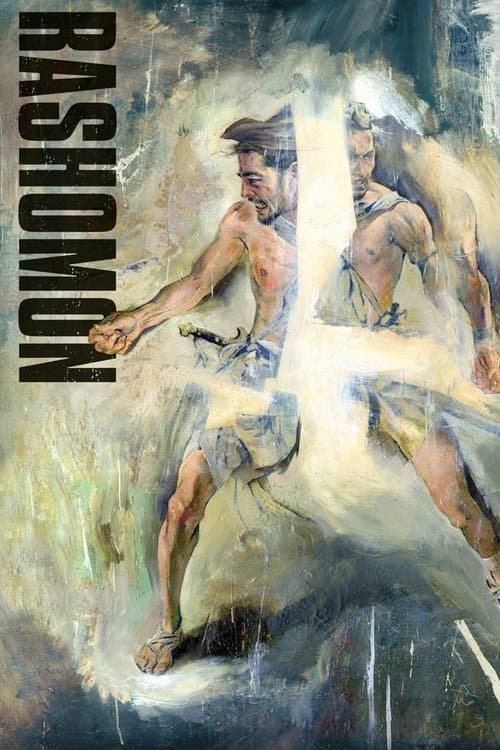
A samurai is found dead in a forest. Four witnesses — the bandit, the wife, the dead man's spirit, and a woodcutter — each give a radically different account of what happened. Kurosawa's landmark film does not ask which story is true; it asks whether truth, as a concept the audience can access, survives the test.
Rashomon
Akira Kurosawa · 1950
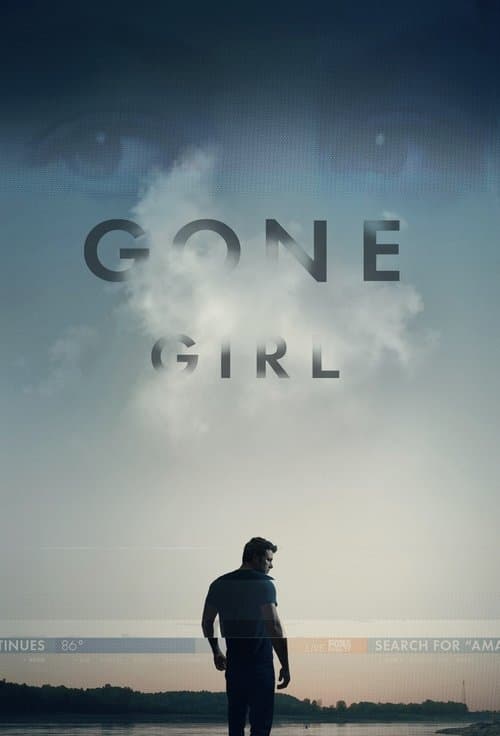
When Amy Dunne disappears on her fifth wedding anniversary, her husband Nick becomes the prime suspect — until her diary and the investigation reveal that neither of them is the person the other believed. David Fincher's film uses the marriage thriller to dismantle the performance of gender, love, and media innocence.
Gone Girl
David Fincher · 2014
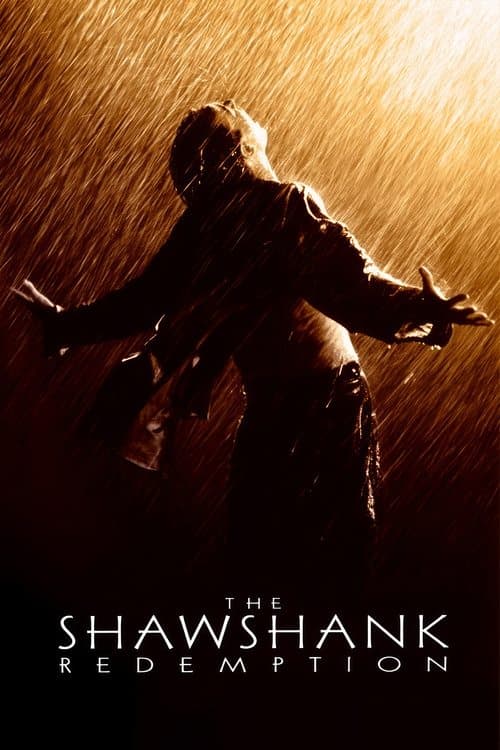
A banker wrongly convicted of murder endures nearly two decades inside Shawshank Prison through quiet resistance, unlikely friendship, and an unbroken will. A film about hope as an act of defiance against the slow machinery of institutional dehumanization.
The Shawshank Redemption
Frank Darabont · 1994