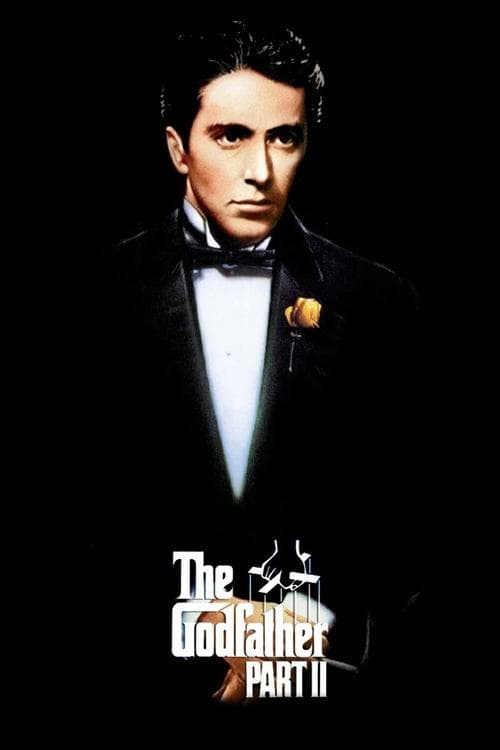
The Godfather Part II
Francis Ford Coppola · 1974
Michael Corleone consolidates and expands his criminal empire while the film intercuts with the origin story of his father's rise from Sicilian orphan to New York patriarch. A sequel that is simultaneously a parallel tragedy — the American Dream as a machine that devours what it builds.
Techniques Used
5 techniques identified in this film
Parallel Chronology
EditingIntercutting between two separate timelines decades apart so that each illuminates the other — the past explaining the present, and the present recontextualizing the past.
How this film uses it
Coppola interweaves young Vito's 1910s rise through the Italian immigrant community with Michael's 1950s consolidation of power. The two stories never share a scene, but every parallel cut makes an argument about heredity, corruption, and the American myth.
Period Color Separation
CinematographyAssigning distinct color palettes to separate timelines or story worlds, using the visual register itself to orient the audience and encode emotional meaning.
How this film uses it
Gordon Willis shoots the 1910s sequences in warm sepia tones that evoke period photography and nostalgic myth, while Michael's present-day world is rendered in cold, desaturated blue-greens. The past looks like a dream; the present feels like a trap.
Silent Performance Centrality
CinematographyBuilding extended sequences around a performer's physical presence and behavioral detail with minimal or no dialogue, trusting the camera's proximity to communicate interior states.
How this film uses it
Robert De Niro plays the young Vito in a community that speaks Sicilian — he has almost no English dialogue. His performance is built from stillness, observation, and physical deliberateness: a performance of watchfulness encoding the intelligence behind Vito's eventual authority.
Tragic Inversion Structure
NarrativeA narrative architecture in which the protagonist's actions are structurally mirrored by a parallel story that reveals the same path leading to opposite moral outcomes — one story's success illuminating the other's failure.
How this film uses it
Vito builds his empire through personal loyalty and genuine community protection; Michael builds his through betrayal and paranoia. Their stories rhyme structurally but diverge completely in meaning — Vito's rise makes Michael's fall more devastating.
Familial Dissolution Scene
NarrativeA staged confrontation in which the collapse of a family relationship is made visible in a single scene, serving as the emotional climax of a longer arc of deterioration.
How this film uses it
Kay tells Michael she had an abortion — not a miscarriage — to prevent his line from continuing. Michael strikes her and has her removed from his house. In a film about the Corleone dynasty, this is its spiritual death: the family destroyed from inside by the patriarch who was supposed to protect it.
You Might Also Like
Films that share at least one technique with The Godfather Part II
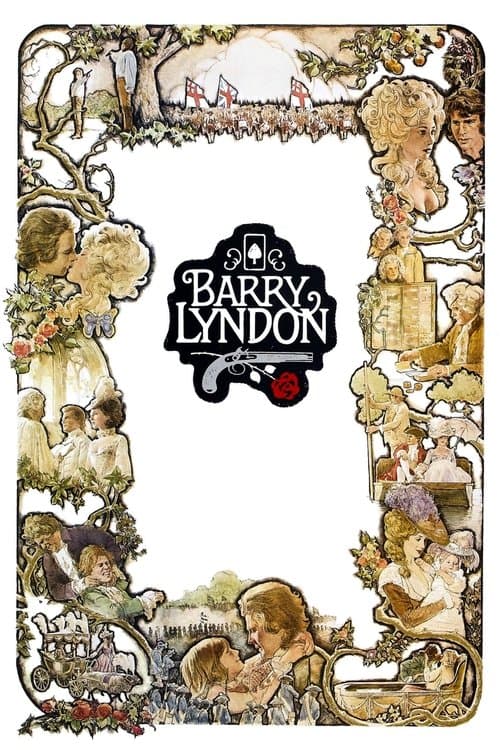
An Irish rogue rises through 18th-century European society by charm, luck, and cunning — and loses everything he gained through arrogance, indolence, and cruelty. Kubrick's most formally beautiful film uses candlelight and narration to tell a story of hollow ambition.
Barry Lyndon
Stanley Kubrick · 1975
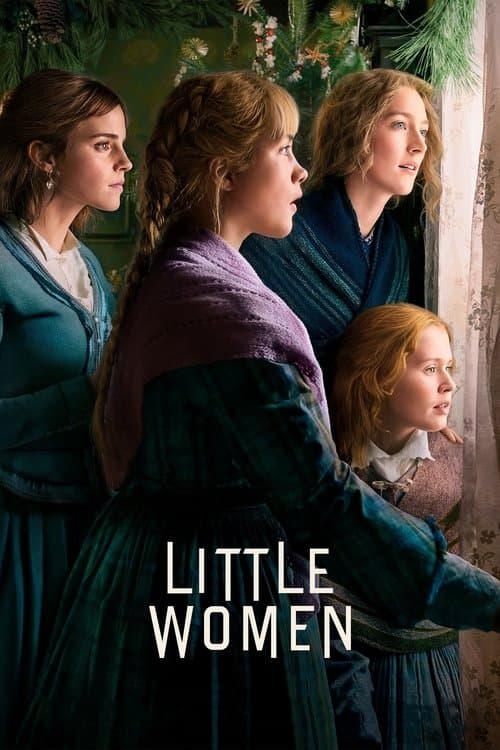
Gerwig's adaptation of Louisa May Alcott's novel interweaves two timelines of the March sisters' lives — the warm childhood past and the harder adult present — using the gap between them to reveal how memory and loss shape the stories we tell about ourselves.
Little Women
Greta Gerwig · 2019
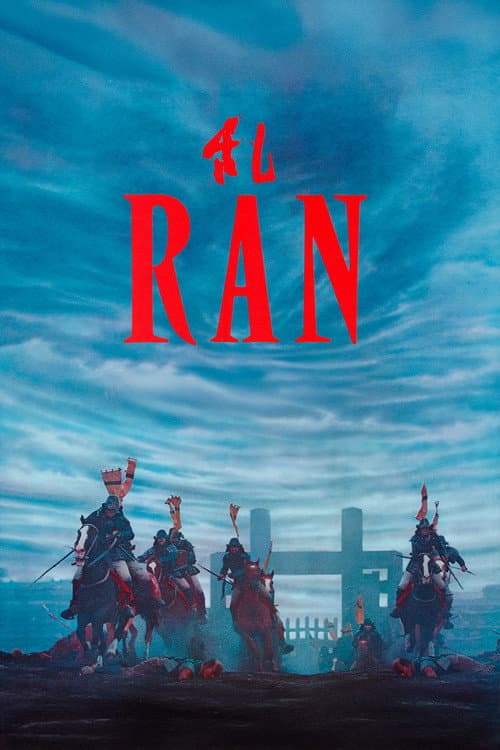
An aging warlord divides his kingdom among his three sons, only to watch them turn against each other and against him. Kurosawa's adaptation of King Lear is the most visually overwhelming film he ever made.
Ran
Akira Kurosawa · 1985