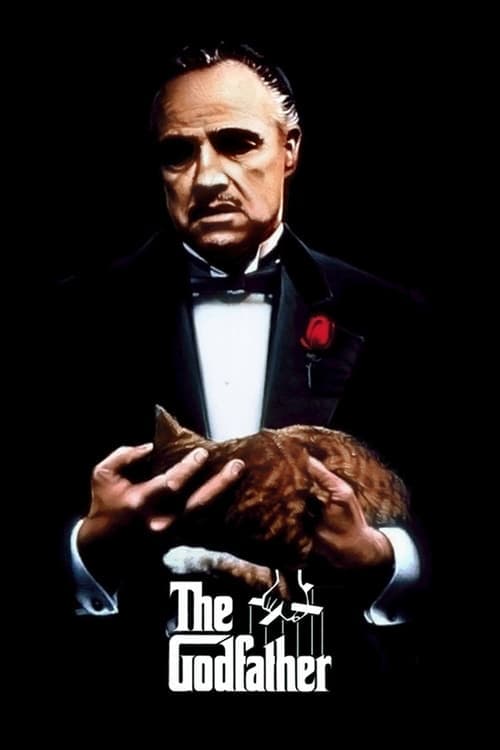
The Godfather
Francis Ford Coppola · 1972
The aging patriarch of the Corleone crime family refuses to support a rival's drug empire and is nearly assassinated, setting off a war that draws his reluctant youngest son into the center of power. A meditation on loyalty, corruption, and the terrible gravity of family obligation.
Techniques Used
5 techniques identified in this film
Chiaroscuro Lighting
CinematographyA lighting style derived from Renaissance painting that uses extreme contrast between deep shadow and focused light to create moral and psychological drama within a single frame.
How this film uses it
Gordon Willis — nicknamed 'the Prince of Darkness' — kept the Corleone family's faces half-buried in shadow throughout, particularly Vito's office scenes. The technique encodes the moral darkness beneath the family's surface respectability without a word of dialogue.
Cross-Cut Sacrament
EditingParallel editing that juxtaposes a sacred or ceremonial event with acts of violence, creating ironic commentary through the collision of the holy and the profane.
How this film uses it
Coppola cuts between Michael's role as godfather at his nephew's baptism — renouncing Satan — and the simultaneous assassination of all five rival family heads carried out on his orders. The religious ritual and the murders share a rhythm and a syntax.
Character Arc Inversion
NarrativeA structural strategy in which a character ends in the polar opposite of where they began, their transformation serving as the film's central dramatic argument.
How this film uses it
Michael Corleone is introduced as the family outsider — a decorated war hero who tells his girlfriend 'That's my family, Kay. It's not me.' The film systematically strips away every alternative until he becomes more ruthless than the father he swore he would never emulate.
Death Foreshadowing Through Objects
CinematographyUsing a recurring visual motif — an object, color, or environmental detail — to signal approaching death before a character or the audience consciously recognizes it.
How this film uses it
Oranges appear immediately before or after every death in the film: in the market where Vito is shot, in the meeting room before Sonny's murder, in the bowl of fruit at the Don's side when he dies in the garden. The symbol is embedded in the mise-en-scène without announcement.
Operatic Score Integration
SoundUsing a film score as structural architecture — with recurring themes functioning as emotional shorthand for characters, relationships, and moral states — rather than as atmospheric accompaniment.
How this film uses it
Nino Rota's main theme introduces a world of tragic grandeur in the opening bars, immediately encoding the film's register as something between dynasty and elegy. The theme returns at moments of ritual — funerals, meals, betrayals — making it the sound of Corleone fate.
You Might Also Like
Films that share at least one technique with The Godfather
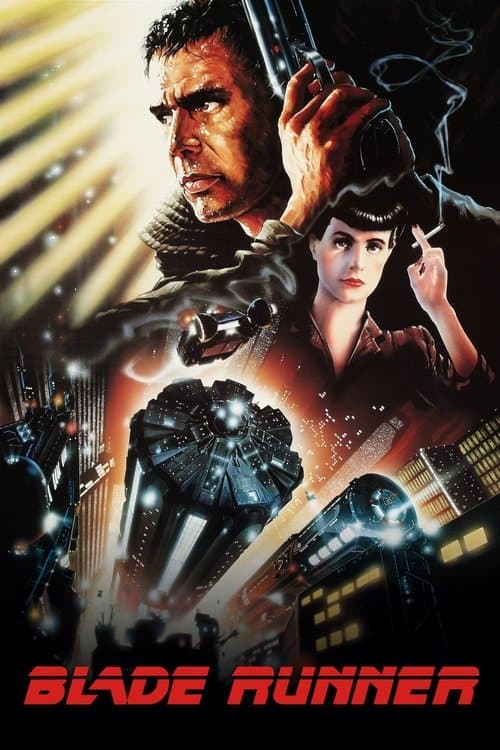
A detective in a rain-soaked 2019 Los Angeles hunts down escaped synthetic humans called replicants, and begins to question the nature of his own humanity. The film that defined the visual grammar of cinematic dystopia.
Blade Runner
Ridley Scott · 1982
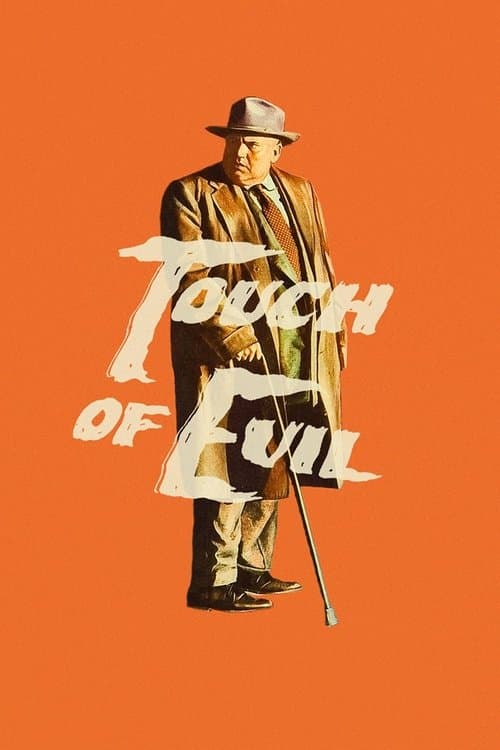
A Mexican narcotics detective and his American wife become entangled with a corrupt Texas police captain on both sides of the border after a car bombing. Welles' baroque masterpiece opens with cinema's most famous tracking shot.
Touch of Evil
Orson Welles · 1958
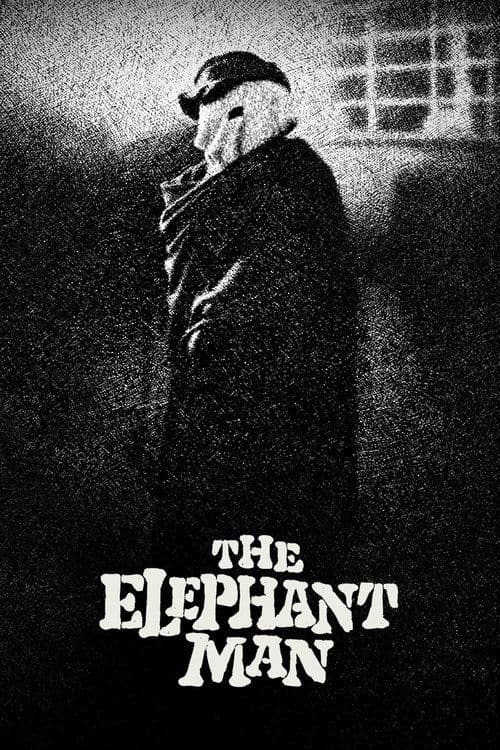
John Merrick — the severely deformed Victorian man exhibited as a carnival freak — is rescued by a London surgeon and discovers, for the first time, a life of dignity and human connection. Lynch's most emotionally direct film uses black-and-white imagery to ask what humanity actually requires.
The Elephant Man
David Lynch · 1980