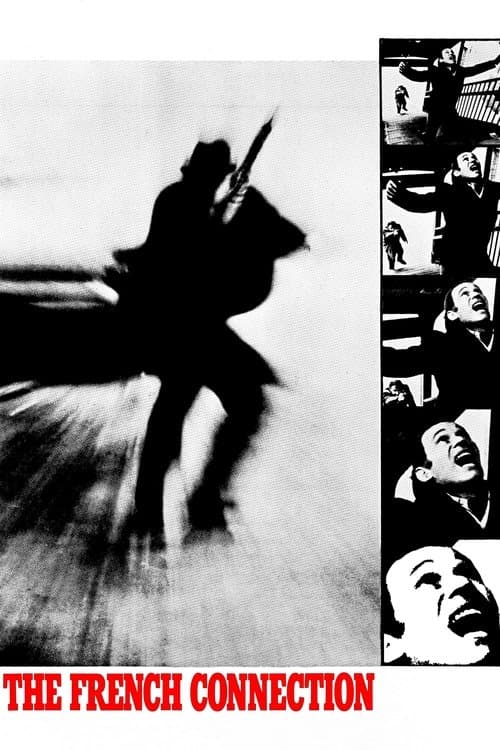
The French Connection
William Friedkin · 1971
New York narcotics detective Popeye Doyle obsessively pursues a French drug smuggler attempting to move the largest heroin shipment in history through the city — and the pursuit costs him the moral certainty he thought he had. William Friedkin's film reinvented the police procedural as a morally ambiguous urban nightmare.
Techniques Used
4 techniques identified in this film
Handheld Cinema Vérité
CinematographyA documentary-influenced shooting style using handheld cameras to create spontaneous, unpolished images that feel observed rather than constructed.
How this film uses it
Owen Roizman shoots the New York streets with a handheld documentary grammar — the camera unstable, the light unglamorous, the city unglamorous — making the procedural feel like journalism conducted in real time inside a real case.
Kinetic Editing
EditingA fast-paced, energetic cutting style that creates propulsive forward momentum.
How this film uses it
Jerry Greenberg's editing in the car-chase sequence — Doyle pursuing a hijacked elevated train in a commandeered car below — cuts at a rhythm that replicates the desperate improvisation of the chase itself, the editing creating momentum out of the physical impossibility of what Doyle is attempting.
Urban Gothic Cinematography
CinematographyA photographic approach that renders a city's streets as a morally hostile environment — dark, cold, threatening — the urban geography encoding the danger of the world being depicted.
How this film uses it
Roizman's photography turns 1970s New York into a grey, cold hostile landscape — the Bronx stakeouts, the subway, the dark streets — the city itself a visual argument that the world Doyle operates in produces exactly the moral damage he embodies.
Tracking Shot Choreography
CinematographyThe coordination of a camera following a subject through complex environments, the tracking shot turning movement through space into narrative information.
How this film uses it
The sequence in which Doyle follows Charnier through a New York subway station — the camera tracking both pursuer and pursued, the spatial choreography of surveillance made visible as a dance of attention and evasion.
You Might Also Like
Films that share at least one technique with The French Connection
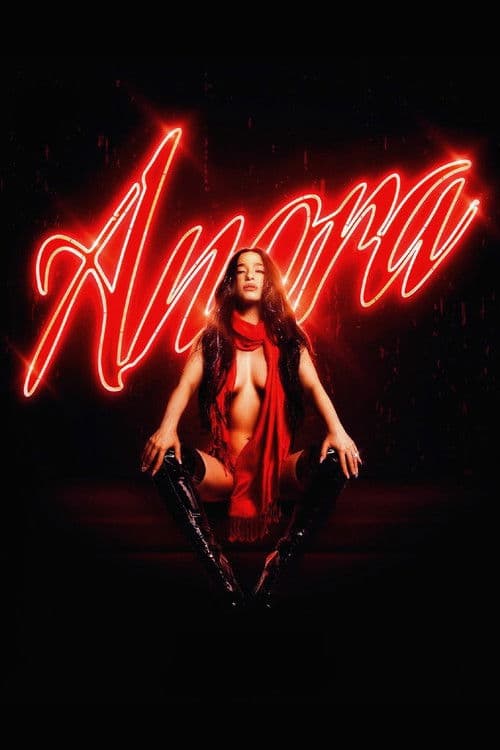
A young Brooklyn sex worker named Anora impulsively marries the son of a Russian oligarch after a whirlwind romance, only for the young man's parents to send fixers to have the marriage annulled and the fairy tale dismantled. Sean Baker's film is a genre-jumping portrait of a working-class woman who refuses to be simply erased.
Anora
Sean Baker · 2024
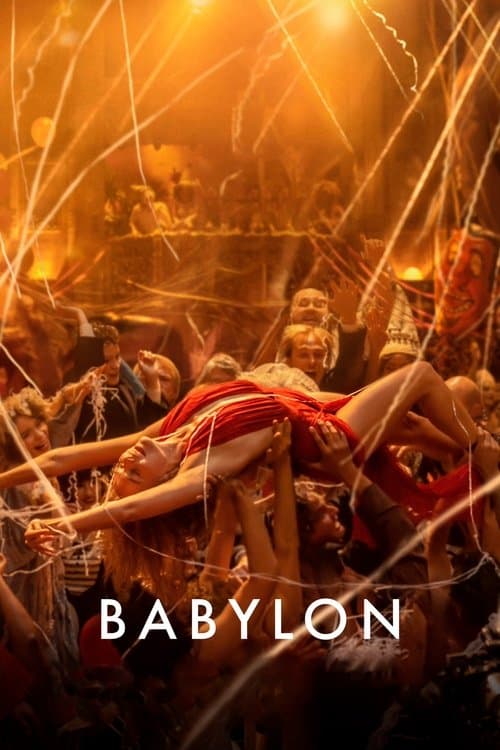
Three characters — a Mexican immigrant desperate to enter the film industry, a silent film star whose voice can't survive the sound transition, and a jazz musician navigating a racist industry — collide in the excess and collapse of 1920s Hollywood. Damien Chazelle's film is a three-hour hymn and autopsy for the movies.
Babylon
Damien Chazelle · 2022
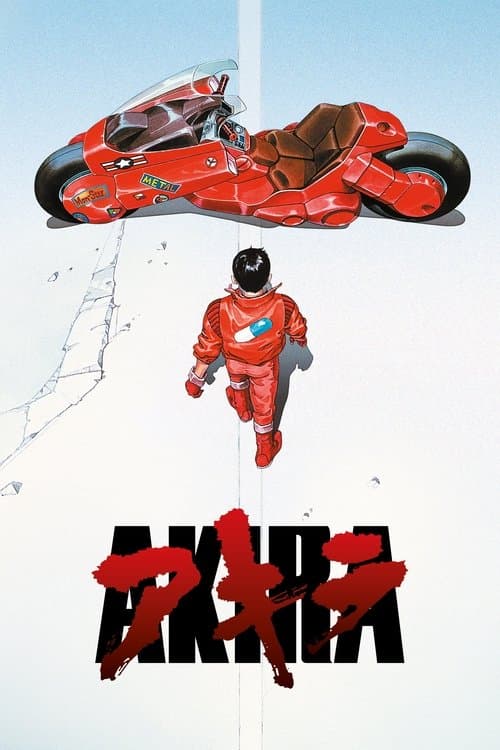
In Neo-Tokyo in 2019, thirty years after the city was destroyed by a mysterious explosion, a biker gang member named Kaneda tries to save his childhood friend Tetsuo from a government program that has awakened catastrophic psychic powers within him. Katsuhiro Otomo's film is the founding text of animated science fiction as serious cinema.
Akira
Katsuhiro Otomo · 1988