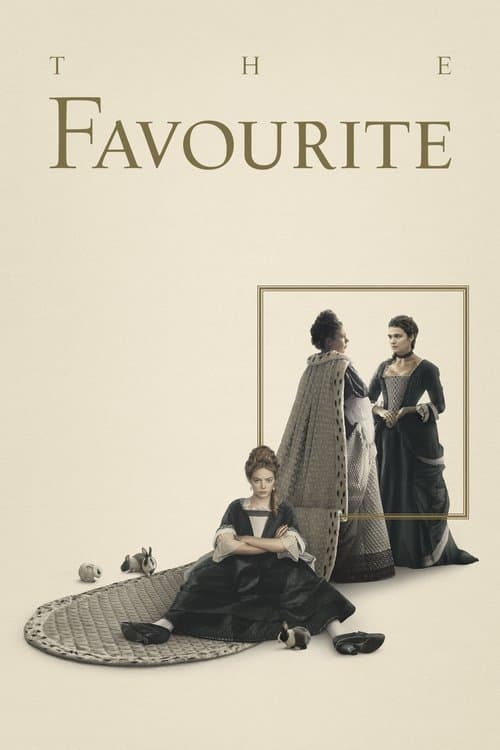
The Favourite
Yorgos Lanthimos · 2018
In early 18th-century England, two cousins compete for the affection and political influence of the ailing Queen Anne, using seduction, sabotage, and cruelty as their instruments. Lanthimos's most accessible film strips historical drama down to its essential power dynamics.
Techniques Used
4 techniques identified in this film
Wide-Angle Observational Staging
CinematographyUsing wide-angle or fish-eye lenses to observe characters within their environments — the distorted periphery placing the social world around them in warped relief.
How this film uses it
Lanthimos and cinematographer Robbie Ryan use ultra-wide-angle lenses throughout, giving the palatial rooms their distinctive distorted quality. The fish-eye curves the corridors and ballrooms — the architecture of power shown as something slightly wrong, the grandeur revealed as simultaneously magnificent and absurd.
Deadpan Absurdism
NarrativeA tonal register in which outrageous events are presented with complete institutional seriousness — the comedy arising from the gap between the content and the register in which it is delivered.
How this film uses it
Duck racing is wagered with the same gravity as military strategy. Queen Anne's rabbits are counted as political allies. Sarah's fall from grace is discussed in the language of weather and management. Lanthimos never breaks the period formality to acknowledge the absurdity — the straight face is the technique.
Triangulated Moral Ambiguity
NarrativeThree characters in a moral triangle — each with legitimate claims, each causing genuine harm, no single position stable as right or wrong — the triangle generating the narrative's ethical complexity.
How this film uses it
Sarah loves Anne and manipulates her. Abigail wants power and has survived enough to earn it. Anne is infantilized and sovereign simultaneously. The triangle refuses to assign victim and villain roles — each woman is using and being used, each has been shaped by circumstances that explain but do not excuse her behavior.
Period Color Separation
CinematographyUsing color palettes specific to a historical period's visual culture — its candlelight, its fabric dyes, its architecture — to make the film's world feel continuous with its historical source.
How this film uses it
Ryan shoots in natural and candlelight wherever possible, giving the interiors the quality of Queen Anne-era painting. The whites are cream; the shadows are warm brown; the outdoor scenes are gray-green English countryside. The palette is not decorative — it is the argument that this world was as real as our own, its power struggles as genuine as its colors.
You Might Also Like
Films that share at least one technique with The Favourite
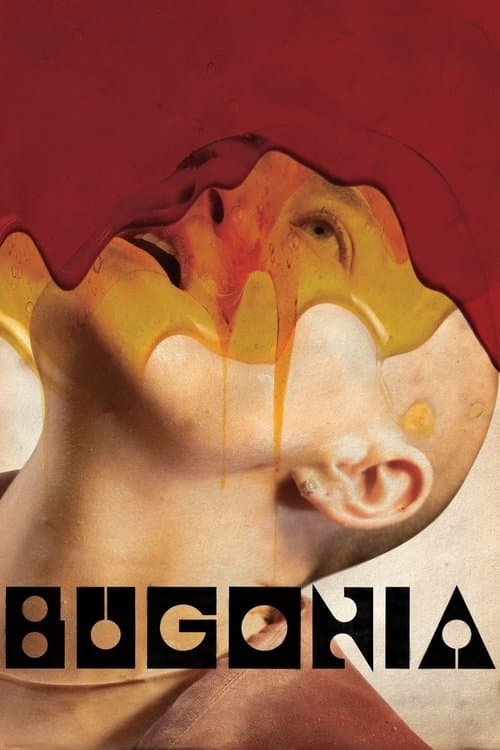
A delusional beekeeper convinced that a pharmaceutical CEO is an alien infiltrator kidnaps her and imprisons her in his basement to extract a confession. A darkly absurdist hostage thriller in which paranoia, corporate power, and human self-deception become indistinguishable.
Bugonia
Yorgos Lanthimos · 2025
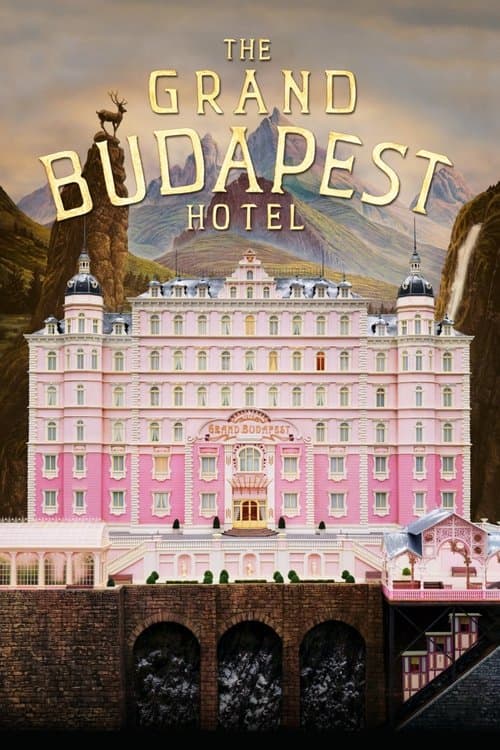
A legendary hotel concierge and his lobby boy are embroiled in the theft of a priceless painting and a family inheritance battle in a fictional European republic between the wars. Wes Anderson's most fully realized comedy uses nostalgia as a frame for examining what is lost when elegance is replaced by brutality.
The Grand Budapest Hotel
Wes Anderson · 2014
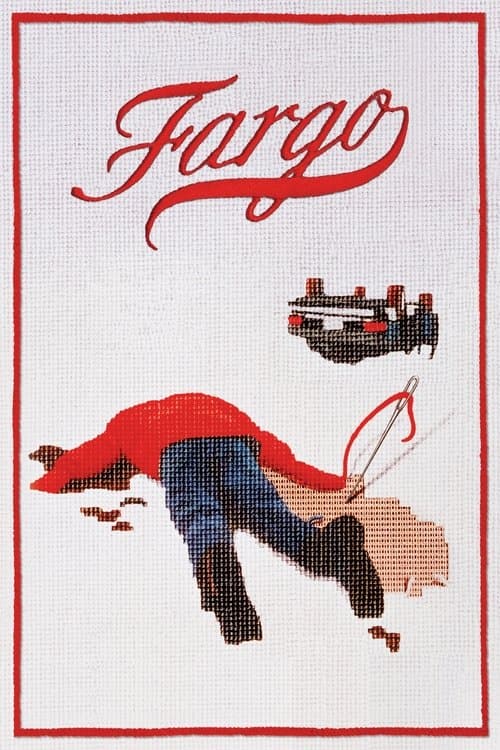
A desperate car salesman hires two criminals to kidnap his wife for ransom, setting off a chain of incompetent violence that falls to pregnant police chief Marge Gunderson to untangle. The Coens' moral masterpiece locates good and evil in the same flat, snow-covered landscape and finds that decency is more durable than crime.
Fargo
Joel Coen, Ethan Coen · 1996