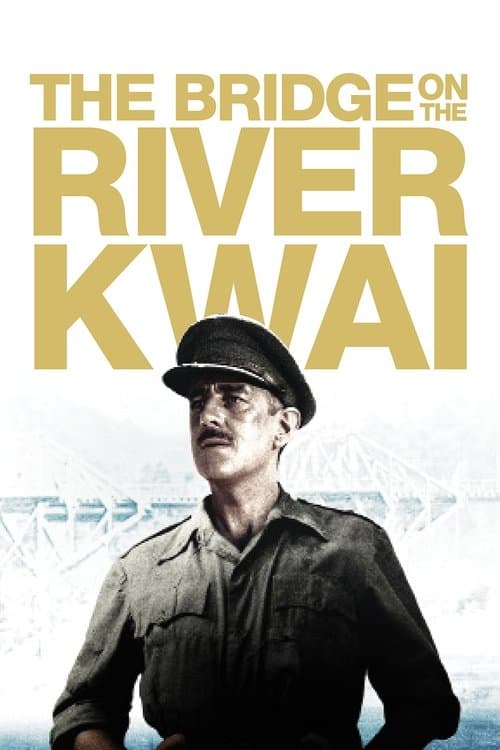
The Bridge on the River Kwai
David Lean · 1957
British prisoners of war in a Japanese camp are ordered to build a railway bridge; their commanding officer, Colonel Nicholson, becomes obsessed with building it correctly as a matter of military pride — and loses sight of which side he is on. A study in the madness of honor.
Techniques Used
4 techniques identified in this film
Tragic Inversion Structure
NarrativeA narrative in which a character's greatest strength becomes the direct cause of their destruction — their defining quality producing the outcome it was meant to prevent.
How this film uses it
Nicholson's military discipline and pride in craftsmanship — virtues that make him a great officer — are precisely what lead him to build the enemy's bridge with excellence, to protect it from sabotage, and to die in the moment he realizes what he has done. His virtues are indistinguishable from his collaboration.
Institutional Honor Critique
NarrativeUsing a military or institutional code of honor as both the film's dramatic engine and its subject of critique — showing how institutional values can become detached from the human purposes they were meant to serve.
How this film uses it
Nicholson's entire arc is about military honor divorced from military purpose. He suffers in the hot box to defend his officers' rights not out of resistance but out of protocol. He builds the bridge beautifully because a British officer does not do shoddy work. The film asks whether honor that serves the enemy is still honor.
Bookend Moral Frame
NarrativeOpening and closing a film with structurally parallel moments that recontextualize the narrative — the ending commenting on the opening with the full weight of everything between them.
How this film uses it
The film opens and closes with the British medical officer Clipton watching — first the prisoners arriving, finally the bridge's destruction and the deaths of Nicholson, Shears, and Warden. His final word — 'Madness!' — frames the film's entire argument. The bookend turns every preceding scene into evidence for the verdict Clipton delivers.
Human Figure in Vast Landscape
CinematographyPlacing human figures as small elements within enormous environmental frames, using scale to argue about individual insignificance against historical or natural forces.
How this film uses it
Lean films the bridge construction and the jungle with the same epic compositions he would use in Lawrence of Arabia: tiny figures against vast tropical scenery. The humans and their obsessive project — so consuming from inside — look negligible from outside. The landscape's indifference to military honor is the film's silent argument.
You Might Also Like
Films that share at least one technique with The Bridge on the River Kwai
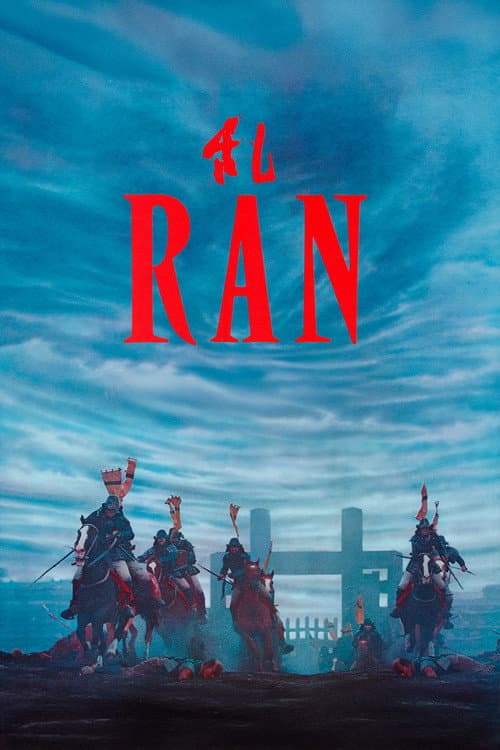
An aging warlord divides his kingdom among his three sons, only to watch them turn against each other and against him. Kurosawa's adaptation of King Lear is the most visually overwhelming film he ever made.
Ran
Akira Kurosawa · 1985
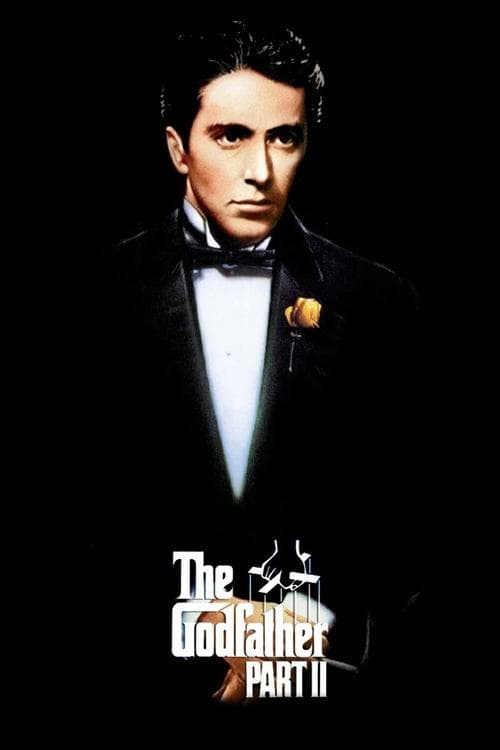
Michael Corleone consolidates and expands his criminal empire while the film intercuts with the origin story of his father's rise from Sicilian orphan to New York patriarch. A sequel that is simultaneously a parallel tragedy — the American Dream as a machine that devours what it builds.
The Godfather Part II
Francis Ford Coppola · 1974
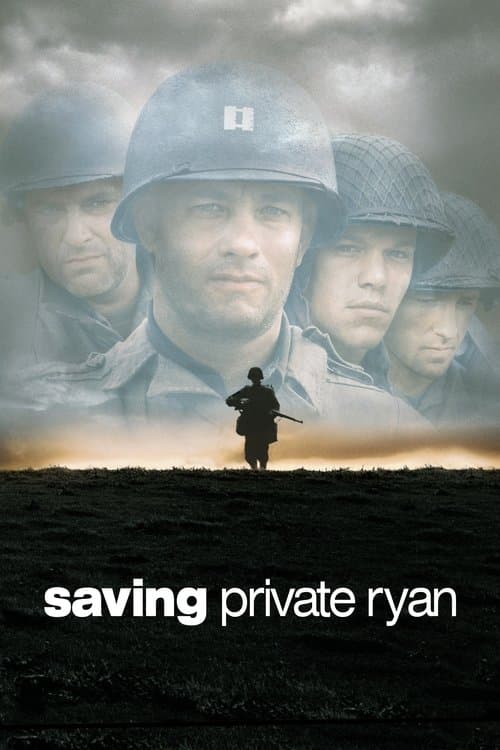
A squad of soldiers is sent behind enemy lines after D-Day to retrieve the last surviving son of a family that has lost four boys in the war. The film's opening twenty-four minutes are the most viscerally honest depiction of combat ever committed to film.
Saving Private Ryan
Steven Spielberg · 1998