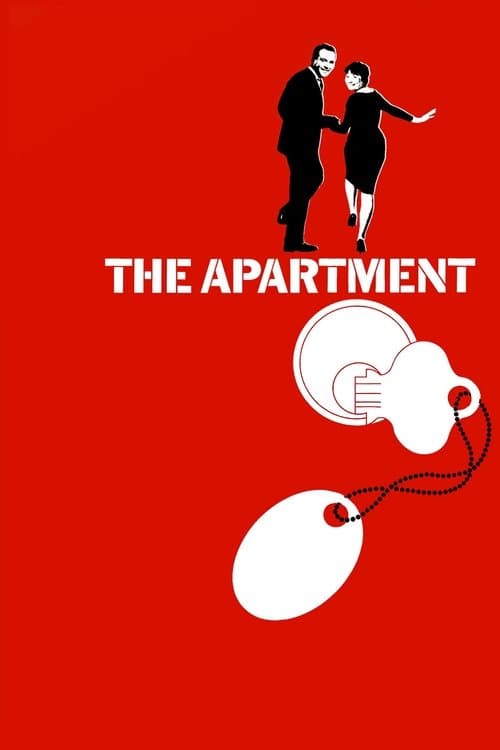
The Apartment
Billy Wilder · 1960
A junior insurance clerk loans his apartment to his company's executives for their extramarital affairs, hoping for a promotion — until the woman he loves turns out to be one of their mistresses. Wilder's blackest comedy is also his most humane film.
Techniques Used
3 techniques identified in this film
Tonal Bifurcation
NarrativeA film that operates simultaneously in two incompatible registers — comedy and genuine tragedy — without allowing either to neutralize the other, so that the audience must hold both at once.
How this film uses it
The Apartment is genuinely funny — Baxter's apartment logistics, his neighbors' suspicions, his office social climbing — and genuinely devastating: Fran's suicide attempt, her relationship with a man who will not leave his wife, Baxter's unrequited love. Wilder never softens either register. The film's achievement is making both fully real at the same time.
Architectural Class Opposition
CinematographyUsing architectural space to visually encode class relationships — the powerful in large, warm spaces, the powerless in cramped or exposed ones.
How this film uses it
The insurance office is filmed in extreme wide angle with forced perspective — the rows of identical desks extending to vanishing point, Baxter one of hundreds. Sheldrake's corner office is warm, private, and spatially generous. The architectural contrast establishes the power relationship before any dialogue.
Symbolic Object
NarrativeA physical object that accumulates meaning through the film — present at key moments, passed between characters — becoming the emotional and thematic focus of the narrative.
How this film uses it
The broken compact mirror Fran uses — cracked diagonally, showing her face in two halves — is the film's central object. Baxter finds the missing half of it in his apartment, which tells him everything about Sheldrake and Fran. At the end, Fran uses the same broken compact — now a shared object — and its crack is the film's closing image of imperfect but genuine connection.
You Might Also Like
Films that share at least one technique with The Apartment

In postwar fascist Spain, a young girl named Ofelia retreats into an elaborate underground fantasy world while her cruel stepfather commands a military campaign against Republican insurgents. Del Toro's fairy tale is told with absolute moral seriousness — the fantasy is not escapism but the only form resistance can take.
Pan's Labyrinth
Guillermo del Toro · 2006
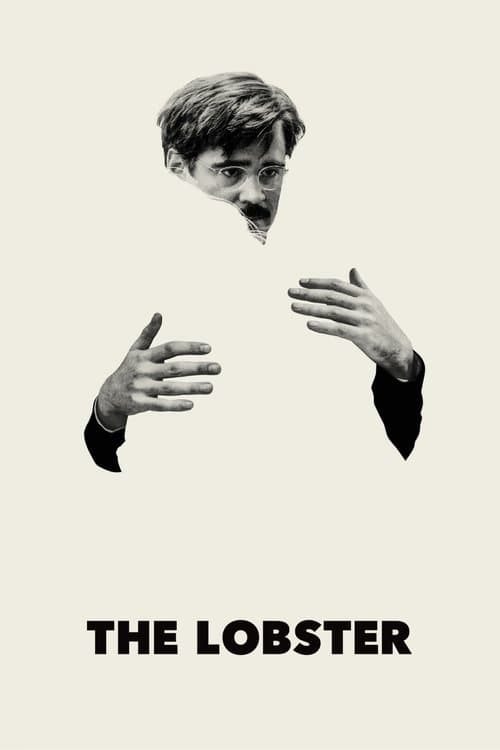
In a near-future society, single people are taken to a hotel where they must find a romantic partner within 45 days or be transformed into an animal of their choosing. Yorgos Lanthimos uses bureaucratic absurdism to examine how society enforces coupling — and what people do to themselves to conform.
The Lobster
Yorgos Lanthimos · 2015
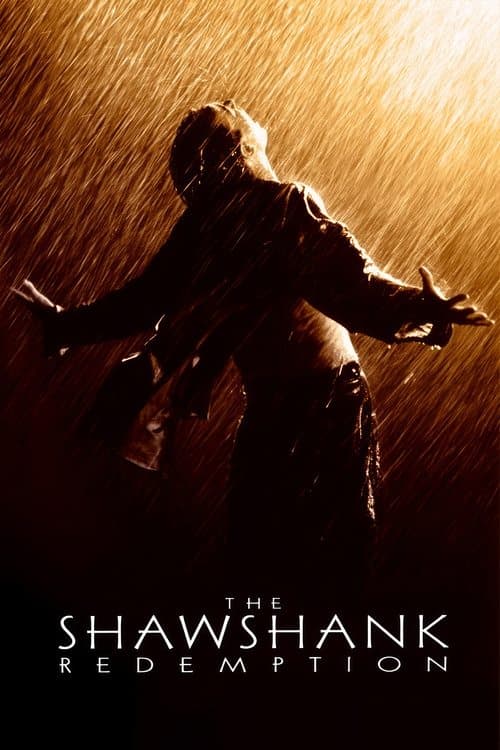
A banker wrongly convicted of murder endures nearly two decades inside Shawshank Prison through quiet resistance, unlikely friendship, and an unbroken will. A film about hope as an act of defiance against the slow machinery of institutional dehumanization.
The Shawshank Redemption
Frank Darabont · 1994