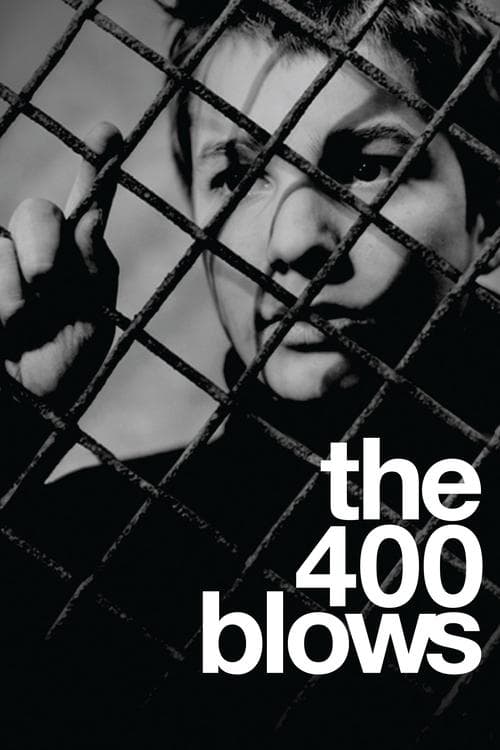
The 400 Blows
François Truffaut · 1959
Twelve-year-old Antoine Doinel navigates an indifferent family and a punishing school system in Paris, until a series of petty rebellions lands him in a reform institution. Truffaut's debut film — the founding document of the French New Wave — is a direct transmission of childhood as a state of unrecognized emergency.
Techniques Used
5 techniques identified in this film
Autobiographical Distance
NarrativeA filmmaker's autobiographical material processed through a displaced or fictional protagonist — creating emotional authenticity while using narrative distance to examine the self-serving distortions of personal memory.
How this film uses it
Antoine Doinel is Truffaut, barely fictionalized: the indifferent stepfather, the reform school, the love of cinema. The distance of fiction allows Truffaut to observe his childhood self with clarity that pure memoir would prevent — the displacement producing honesty rather than protection.
Innocent Eye Narration
NarrativeA child or naïve narrator whose limited understanding of adult behavior exposes its hypocrisies and contradictions more effectively than an informed adult perspective could.
How this film uses it
Antoine observes his mother's affair, his teacher's vanity, and the judicial system's indifference without the interpretive frameworks that would let an adult rationalize them. His incomprehension is the film's critique — the child's eye seeing adult behavior with a clarity that adult understanding would soften.
Freeze Frame Punctuation
EditingStopping motion at a charged moment — freezing the image on a face or action — to hold the audience inside a single instant that the film refuses to resolve or move beyond.
How this film uses it
The final freeze on Antoine's face at the ocean is cinema's most famous use of the technique: the boy has escaped the reform school and reached the sea he always wanted to see, but the freeze denies him arrival or resolution. The frozen frame is not a conclusion but a suspension — Antoine's future refused.
Handheld Cinema Vérité
CinematographyUsing handheld camera movement to create physical immediacy — the camera's instability communicating the body's presence in a scene and granting documentary-like authenticity to staged events.
How this film uses it
Truffaut and Henri Decaë shot on Paris streets with handheld cameras, the Nouvelle Vague's declaration of independence from studio filmmaking. The handheld grammar roots Antoine's story in the physical reality of 1950s Paris — the camera's mobility matching the boy's own restlessness and lack of fixed ground.
Institutional Architecture
NarrativeRepresenting the antagonist force not as individual villains but as an institutional system — showing its procedures, its spatial organization, and its logic as the actual source of the film's conflict.
How this film uses it
The reform school is not populated by cruel guards but by a system whose indifference is more damaging than malice. Its procedures — the assessments, the dormitories, the scheduled activities — are designed for a different child than Antoine; the institution's architecture simply has no room for who he actually is.
You Might Also Like
Films that share at least one technique with The 400 Blows
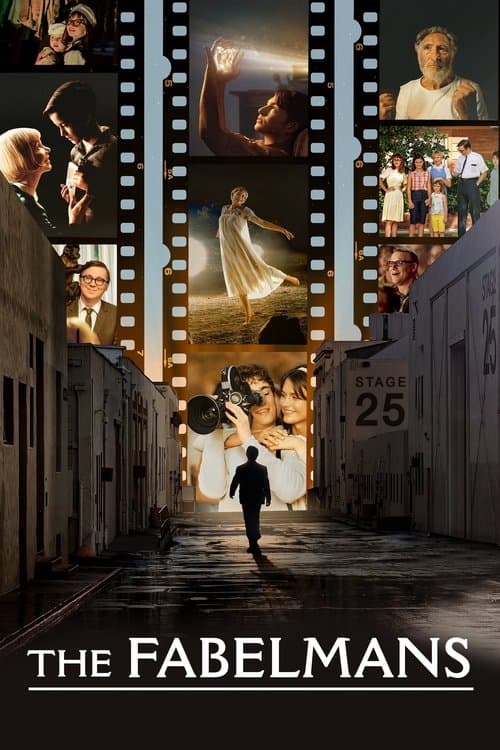
A fictionalized account of Steven Spielberg's childhood — the son of a computer engineer and a concert pianist who discovers cinema as a way of managing his family's disintegration. Spielberg's most personal film uses filmmaking itself as its subject and its argument.
The Fabelmans
Steven Spielberg · 2022

Six-year-old Moonee spends a magical, unstructured summer at a budget motel on the outskirts of Disney World while her young, irresponsible mother struggles to pay the rent by any means available. Sean Baker's film is a portrait of American poverty filmed from a child's eye level.
The Florida Project
Sean Baker · 2017

A perfectionist ballerina wins the lead in Swan Lake but becomes consumed by paranoia and hallucination as opening night approaches. A psychosexual horror film about the violence of perfectionism and the dissolution of identity.
Black Swan
Darren Aronofsky · 2010