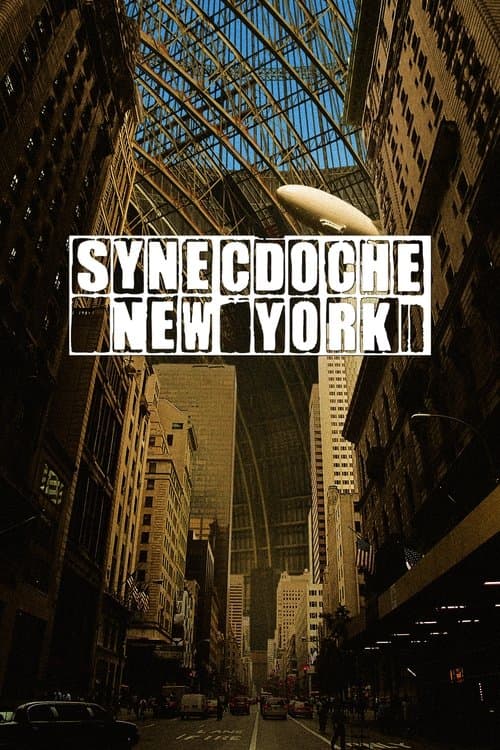
Synecdoche, New York
Charlie Kaufman · 2008
Theatre director Caden Cotard receives a grant and uses it to build, over decades, an ever-expanding theatrical representation of life inside a New York warehouse — a project that consumes his actual life as it attempts to contain it. Charlie Kaufman's directorial debut is the most ambitious film about artistic ambition ever made, and the saddest.
Techniques Used
5 techniques identified in this film
Dream Logic Structure
NarrativeOrganizing narrative progression according to internal emotional or symbolic logic rather than causal plot — events following the way images follow in a dream.
How this film uses it
As the film progresses, the warehouse production grows to encompass the city, actors hire actors to play themselves, and the boundaries between play and life dissolve entirely. The final act operates by pure dream logic: decades compress into moments, Caden alternately directs and inhabits his own production, cause and effect become interchangeable.
Obsession as Structural Engine
NarrativeOrganizing an entire narrative around a single character's consuming fixation — making the obsession the film's engine so that every scene exists in relation to it.
How this film uses it
The theatrical project is not a subplot; it is the film. Every relationship, every loss, every year of Caden's life is consumed by the attempt to make a play that contains everything. Kaufman structures the film so that the obsession's cost is the narrative — the work taking the place of the life it was supposed to represent.
Production Design as Psychological Space
CinematographyUsing a film's sets and design to externalize character psychology — so that inhabited space tells the audience what dialogue cannot.
How this film uses it
The warehouse theater — which grows to contain a full replica of New York, then of the warehouse itself containing the replica — is the film's central psychological achievement. The set is Caden's attempt to make his interiority literal: a space that contains everything he has ever lost, which is to say everything.
Epistemic Collapse
PsychologyA narrative event in which a character's entire framework for understanding events disintegrates — with no replacement available.
How this film uses it
The film's final act is sustained epistemic collapse: Caden is instructed to play himself, and this instruction gives him access to a perspective on his own life he has spent the film refusing. Every framework he used to organize experience breaks down simultaneously. The collapse arrives as a form of terrible clarity.
Circular Structure
NarrativeReturning the film's ending to the territory of its beginning — using the repetition to measure what has been lost or gained.
How this film uses it
The film begins with a man waking up and ends with a man being told to die. The circle is closed not by triumph but by exhaustion: the theatrical project ends as life ends, and the final stage direction — 'Die' — reveals that Caden spent every year of the production rehearsing this final instruction.
You Might Also Like
Films that share at least one technique with Synecdoche, New York

An elderly professor drives to receive an honorary degree and, on the journey, confronts the emotional failures of his life through dreams, memories, and encounters with strangers who mirror his younger self. Bergman's most accessible film, and his most direct statement about what constitutes a life well-lived.
Wild Strawberries
Ingmar Bergman · 1957
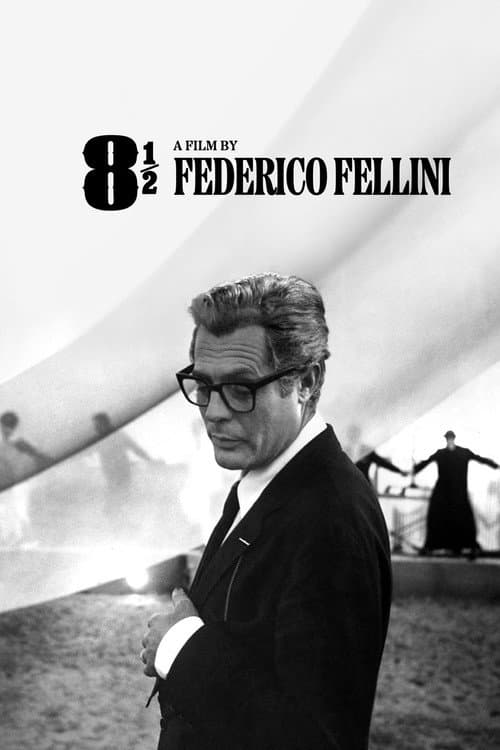
A film director paralyzed by creative block retreats to a spa, where his memories, fantasies, and present reality blur into each other. Fellini's most personal film uses cinema's tools to examine what it means to be an artist who has run out of things to say.
8½
Federico Fellini · 1963
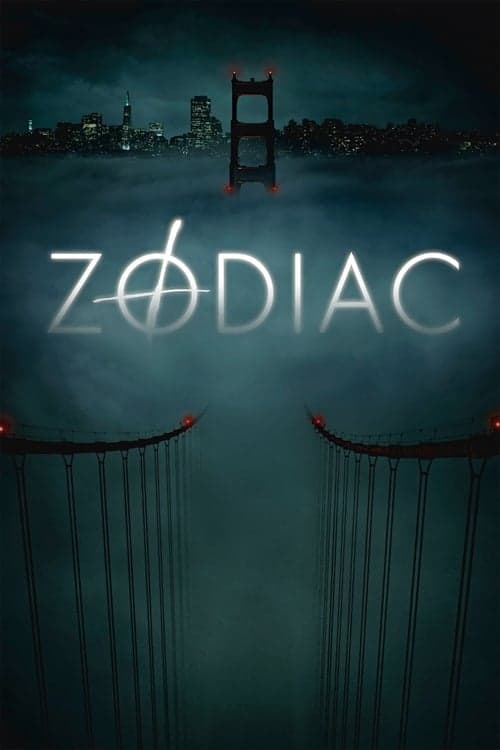
As the Zodiac Killer terrorizes the San Francisco Bay Area in the late 1960s and 1970s, a cartoonist named Robert Graysmith becomes consumed by the unsolved case long after the investigation has officially stalled. David Fincher's most mature film is about the specific horror of an obsession that cannot be resolved because the truth will not cooperate.
Zodiac
David Fincher · 2007