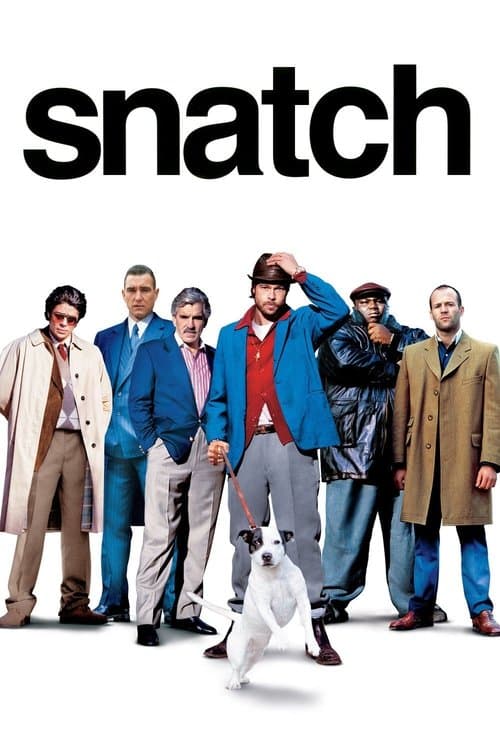
Snatch
Guy Ritchie · 2000
A stolen diamond passes through London's criminal underworld — through bare-knuckle boxing promoters, incompetent thieves, a gypsy fighter, and a psychotic gangster — in a film that manages to make elaborate coincidence feel inevitable.
Techniques Used
4 techniques identified in this film
Anachronic Structure
NarrativeA story told out of chronological order — with flashbacks, flash-forwards, or reordered sequences — where the arrangement of events is itself a source of meaning or dramatic effect.
How this film uses it
Ritchie opens with the aftermath of events we haven't seen, then reconstructs the path to them. Each plotline is interrupted, advanced, and returned to in a rhythm that makes the film's convergences feel designed rather than coincidental. The structure is part of the film's argument: in this world, everything was always going to end this way.
Freeze Frame Punctuation
EditingUsing a sudden freeze on a frame — stopping motion entirely — as a punctuation mark: to introduce characters, underline a joke, or acknowledge a moment before moving on.
How this film uses it
Ritchie freezes and titles each character on their introduction — 'Turkish,' 'Bullet Tooth Tony,' 'Boris the Blade.' The technique is borrowed from Guy Ritchie's visual style and from crime film traditions; it gives the film its ensemble-comedy grammar, treating the underworld as a cast of characters in a shared farce.
Genre Collage
NarrativeAssembling a film from multiple genre traditions simultaneously — crime film, caper comedy, boxing drama — so that each genre's conventions comment on the others.
How this film uses it
Snatch is simultaneously a heist film (the diamond), a boxing film (Mickey), a gangster film (Brick Top), and a farce (the incompetent thieves). Ritchie moves between these modes without announcement, using each genre's grammar for specific sequences. The collision makes the film's criminal world feel both generic and specific.
Pop Culture Monologue
NarrativeExtended speeches demonstrating encyclopedic cultural knowledge, functioning simultaneously as character development and authorial commentary delivered through a character's voice.
How this film uses it
Brick Top's extended monologue about pigs eating bodies is delivered with the relish of a man who has thought about this often and in detail. The speech is simultaneously a threat, a character portrait, and a piece of criminal philosophy — the monologue as the villain's most revealing action.
You Might Also Like
Films that share at least one technique with Snatch
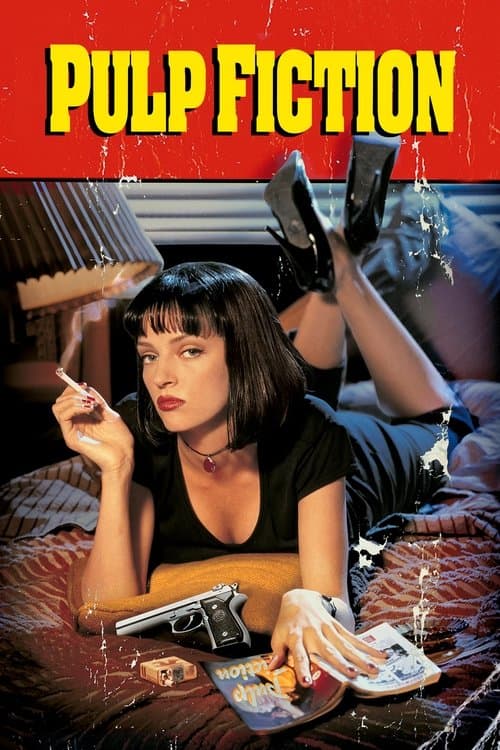
Several intersecting criminal storylines play out across Los Angeles in a non-linear structure that scrambles chronology to create new meaning from familiar genre material. A film about violence, redemption, and cinema itself — assembled from pop culture into something genuinely original.
Pulp Fiction
Quentin Tarantino · 1994
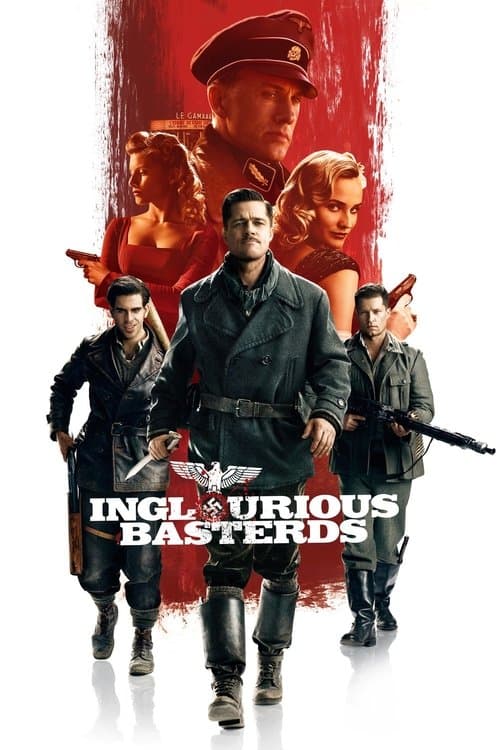
Two separate plots to assassinate Nazi leadership converge on a Paris cinema in 1944: a Jewish refugee who has rebuilt her identity and a unit of Jewish-American soldiers who scalp Nazis. Tarantino rewrites World War II as a revenge fantasy delivered through the grammar of cinema itself.
Inglourious Basterds
Quentin Tarantino · 2009
A stolen diamond, a bare-knuckle boxing match, and a series of spectacularly unlucky criminals converge in a chaos of escalating misfortune across London's criminal underworld. Guy Ritchie's second feature is a machine for controlled disorder — every complication is the setup for a worse complication.
Snatch
Guy Ritchie · 2000