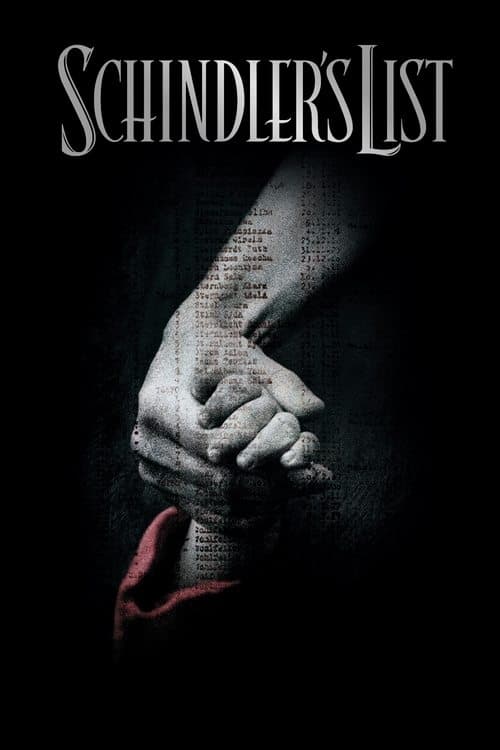
Schindler's List
Steven Spielberg · 1993
A German industrialist uses Jewish slave labor to run his factory during the Holocaust, then risks everything to save as many lives as possible. Shot in near-total black and white, the film is cinema's most sustained act of bearing witness to atrocity.
Techniques Used
5 techniques identified in this film
Black-and-White as Moral Urgency
CinematographyChoosing to shoot in monochrome not for stylistic nostalgia but as an ethical statement — stripping away the pleasure of color to place the audience in a position of witness rather than spectator.
How this film uses it
Janusz Kamiński and Spielberg shot the entire film in black and white despite pressure to use color. The decision aligns the film visually with historical documentation — newsreel and photograph — insisting on the film's status as record rather than entertainment.
Isolated Color Insert
EditingIntroducing a single element in color within an otherwise monochrome frame to draw the eye and focus moral attention without relying on dialogue or score.
How this film uses it
The girl in the red coat is the film's most discussed visual choice: a single burst of color in the black-and-white liquidation sequence that Schindler tracks from a rooftop. She later appears on a cart of corpses — the specific made universal, the abstract given a face.
Handheld Documentary Texture
CinematographyUsing handheld camera movement and naturalistic lighting to give a fiction film the immediate, unmediated quality of documentary or newsreel footage.
How this film uses it
Kamiński shot much of the film with a handheld camera, often using available light or a single source, refusing the compositional elegance of conventional cinematography. The camera feels like it is trying to keep up with events rather than illustrating them.
Strategic Silence
SoundRemoving music and ambient score from sequences where conventional cinema would use them, allowing the weight of what is depicted to occupy the acoustic space without mediation.
How this film uses it
John Williams's score — present throughout the film — is withheld entirely during the Płaszów liquidation sequences. The silence does not feel peaceful; it forces the audience to attend to the sounds of the event itself without emotional instruction from music.
Perpetrator Perspective
NarrativeCentering a Holocaust narrative on a German perpetrator rather than a victim — using the perpetrator's transformation as the film's moral arc — in order to implicate the 'ordinary person' in the machinery of genocide.
How this film uses it
Spielberg begins with Schindler as an opportunist using slave labor. The film's argument is that his eventual heroism does not make him exceptional — it makes legible what the others who did not act chose. The film forces the question: at what point does complicity become unbearable?
You Might Also Like
Films that share at least one technique with Schindler's List
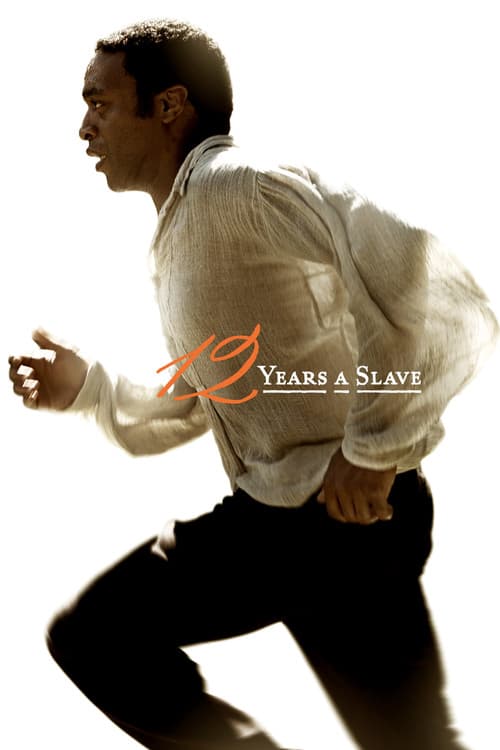
Solomon Northup, a free Black man from New York, is kidnapped and sold into slavery in Louisiana, where he spends twelve years surviving the systematic brutality of the antebellum South before being rescued. Steve McQueen's film refuses every convention of historical suffering — it looks without flinching and does not offer the comfort of resolution.
12 Years a Slave
Steve McQueen · 2013
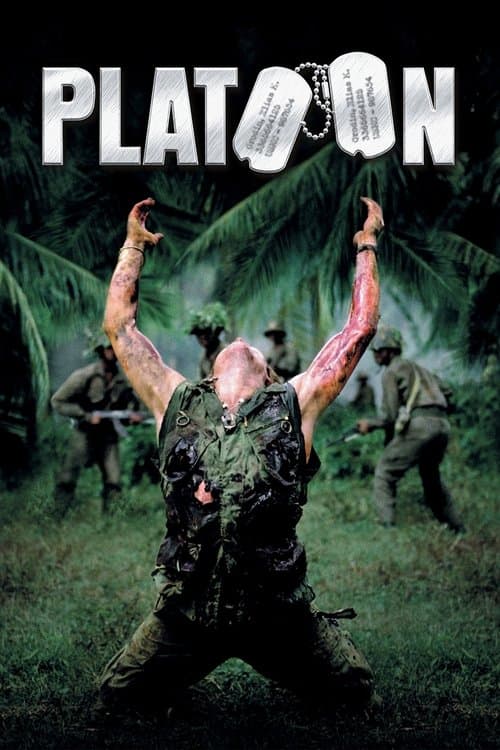
A young college dropout volunteers for Vietnam and finds himself caught between two sergeants — one brutal and one principled — as his illusions about war dissolve. Oliver Stone's autobiographical combat film is the defining American moral reckoning with Vietnam.
Platoon
Oliver Stone · 1986
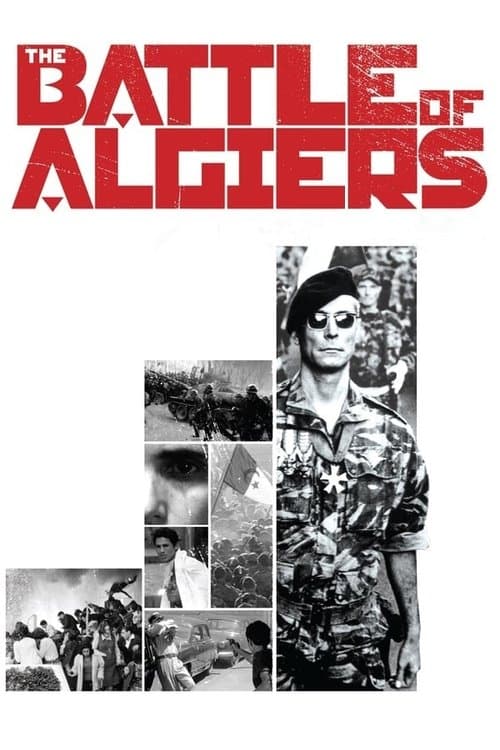
The Algerian National Liberation Front wages an urban guerrilla campaign against French colonial rule in 1950s Algiers, documented with the impartiality of a film that refuses to assign guilt to either side of a colonial war. Pontecorvo's film was so realistic it had to include a disclaimer that no newsreel footage was used.
The Battle of Algiers
Gillo Pontecorvo · 1966