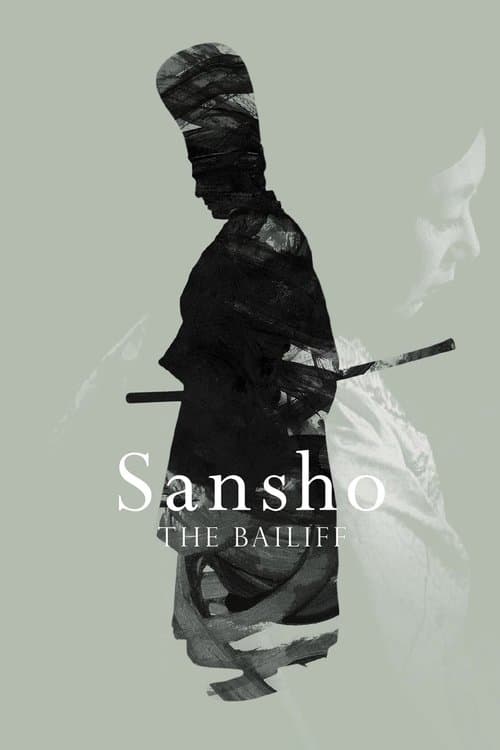
Sansho the Bailiff
Kenji Mizoguchi · 1954
In medieval Japan, a noble governor's family is torn apart — the mother enslaved, the children sold to a brutal labor camp — where the son must choose between survival through accommodation and the principles his father taught him at the cost of his own freedom. Kenji Mizoguchi's film is one of cinema's most sustained and unbearable confrontations with institutional cruelty.
Techniques Used
5 techniques identified in this film
Strategic Silence
SoundRemoving dialogue or score at critical emotional moments to force the audience to sit with unmediated feeling.
How this film uses it
Mizoguchi withholds musical and verbal commentary during the film's most harrowing scenes — the separation of the family, the mutilations — leaving only ambient sound as both characters and viewer absorb what cannot be processed.
Tragic Inversion Structure
NarrativeReversing the expected trajectory of a narrative — moving from high to low, from dignity to degradation — as a formal argument about the world's moral disorder.
How this film uses it
Zushio's arc is one of moral collapse and recovery — from nobleman's son to compliant enforcer to liberator — each stage a further inversion of what his father's teaching promised life would be.
Escalating Moral Stakes
NarrativeProgressively raising the ethical cost of characters' choices so that each decision demands more than the last.
How this film uses it
Each act of resistance in the labor camp costs more than the last — freedom purchased by mutilation, by exile, by permanent loss — until Zushio's final choice to liberate the camp comes at a price the audience can feel.
Off-Screen Atrocity
NarrativeKeeping the worst acts of violence or cruelty off-screen, using their absence to create greater moral weight than any depiction could.
How this film uses it
The camp's cruelties — brandings, mutilations, deaths — are frequently implied through sound and reaction rather than depicted directly, Mizoguchi understanding that the imagination inflicts more damage than the image.
Earned Catharsis
PsychologyEmotional release that arrives only after sustained investment, earned through character development rather than manipulation.
How this film uses it
The reunion of Zushio and his blind mother on the beach — after two hours of sustained anguish — arrives as one of cinema's most devastating cathartic moments, the release proportional to the suffering that preceded it.
You Might Also Like
Films that share at least one technique with Sansho the Bailiff
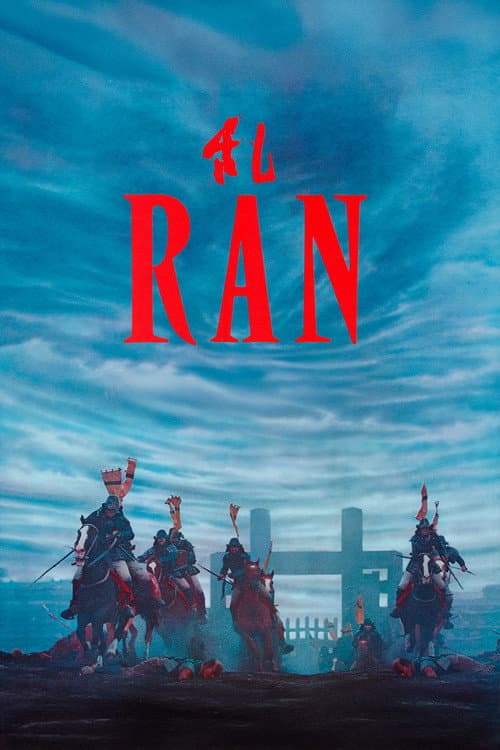
An aging Japanese warlord divides his kingdom among his three sons, setting in motion a catastrophic civil war that destroys everything he built. Kurosawa's late masterpiece transposes King Lear into feudal Japan and finds in it a meditation on human evil as elemental and inevitable as weather.
Ran
Akira Kurosawa · 1985
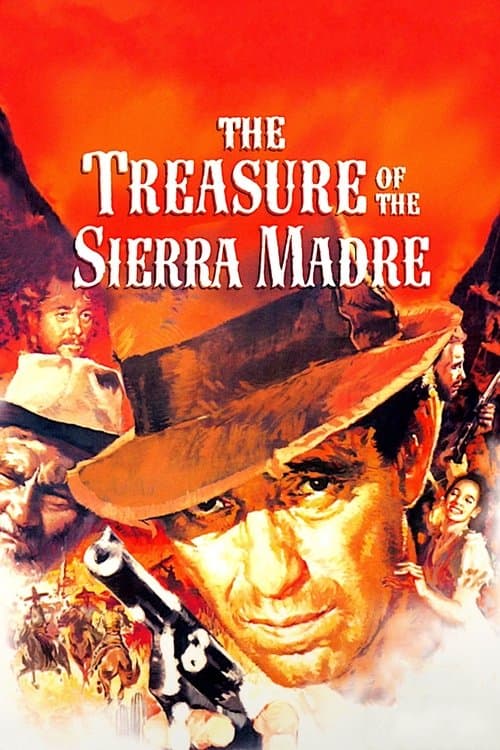
Three American drifters in Mexico strike gold in the mountains and discover that the real danger is not bandits but what greed does to a man's ability to trust anyone. John Huston's pessimistic adventure film treats the acquisition of wealth as a psychological autopsy.
The Treasure of the Sierra Madre
John Huston · 1948
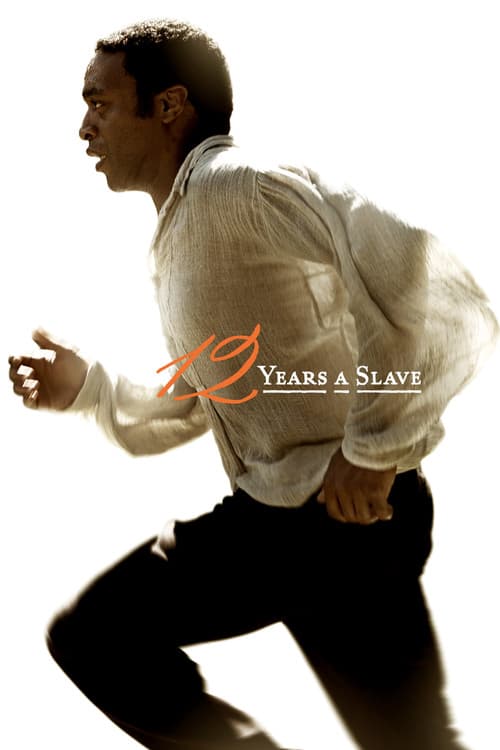
Solomon Northup, a free Black man from New York, is kidnapped and sold into slavery in Louisiana, where he spends twelve years surviving the systematic brutality of the antebellum South before being rescued. Steve McQueen's film refuses every convention of historical suffering — it looks without flinching and does not offer the comfort of resolution.
12 Years a Slave
Steve McQueen · 2013