
Run Lola Run
Tom Tykwer · 1998
Lola has twenty minutes to get 100,000 Deutschmarks to save her boyfriend's life — and the film runs the scenario three times, each with a different outcome from the same starting point. Tom Tykwer's kinetic experiment uses repetition to argue that fate is a matter of seconds.
Techniques Used
4 techniques identified in this film
Circular Structure
NarrativeA narrative that returns to its starting point, using repetition to reframe the meaning of events already witnessed.
How this film uses it
Tykwer runs the same twenty-minute scenario three times from the same origin point — each loop altering outcomes through tiny differences in timing, transforming the thriller into a philosophical argument about contingency.
Ticking Clock Structure
NarrativeA narrative framework built around an escalating deadline that compresses tension and forces characters into accelerating decisions.
How this film uses it
The twenty-minute countdown is literalized in the film's runtime — Tykwer treats time as a physical substance that Lola runs through, the clock visible and unyielding throughout each loop.
Kinetic Editing
EditingA fast-paced, energetic cutting style that creates propulsive forward momentum, often during sequences of physical action or heightened emotion.
How this film uses it
Tykwer cuts between Lola running, split-screens, animated sequences, and freeze-frame futures at a rhythm that matches her heartbeat — the editing itself becoming a form of momentum.
Animation as Emotional Amplifier
EditingThe insertion of animated sequences into live-action footage to externalize internal states or shift the film into a register of heightened feeling.
How this film uses it
Each loop begins with a brief animated Lola sprinting through a cartoon corridor — the shift to animation signaling that the film is operating in a space between realism and pure kinetic abstraction.
You Might Also Like
Films that share at least one technique with Run Lola Run
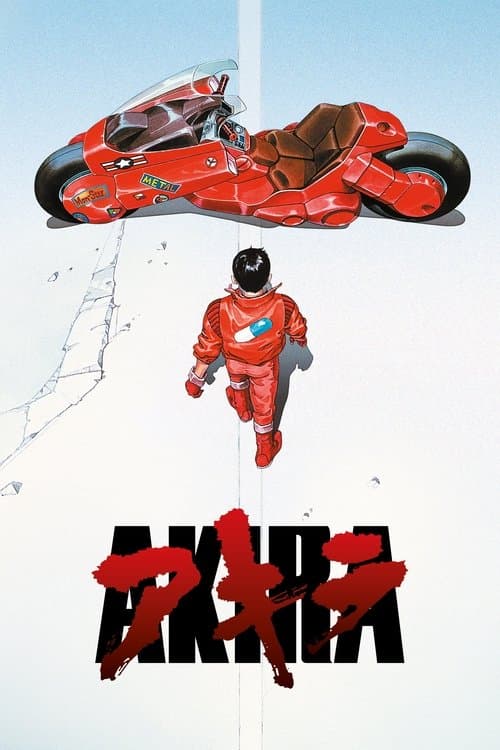
In Neo-Tokyo in 2019, thirty years after the city was destroyed by a mysterious explosion, a biker gang member named Kaneda tries to save his childhood friend Tetsuo from a government program that has awakened catastrophic psychic powers within him. Katsuhiro Otomo's film is the founding text of animated science fiction as serious cinema.
Akira
Katsuhiro Otomo · 1988

After a painful breakup, a man undergoes a procedure to erase his ex-girlfriend from his memory — but partway through, he changes his mind. A meditation on love, grief, and what makes experience worth having.
Eternal Sunshine of the Spotless Mind
Michel Gondry · 2004
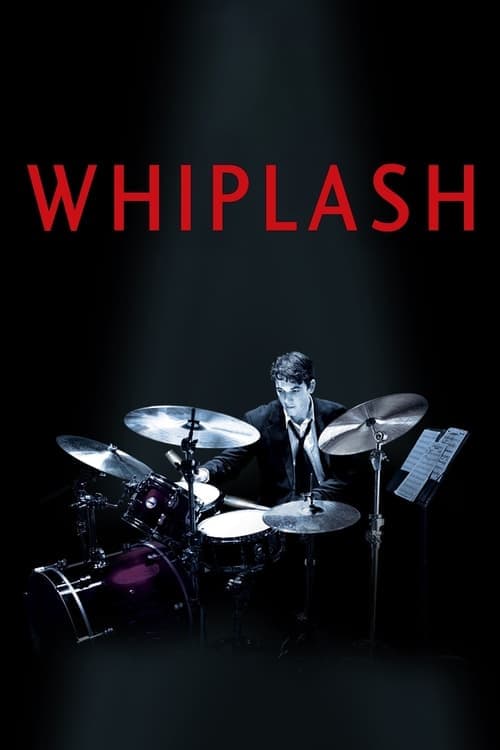
A jazz drumming prodigy at a cutthroat conservatory is pushed to the breaking point by a ferociously demanding conductor. A visceral examination of obsession, abuse, and the price of greatness.
Whiplash
Damien Chazelle · 2014