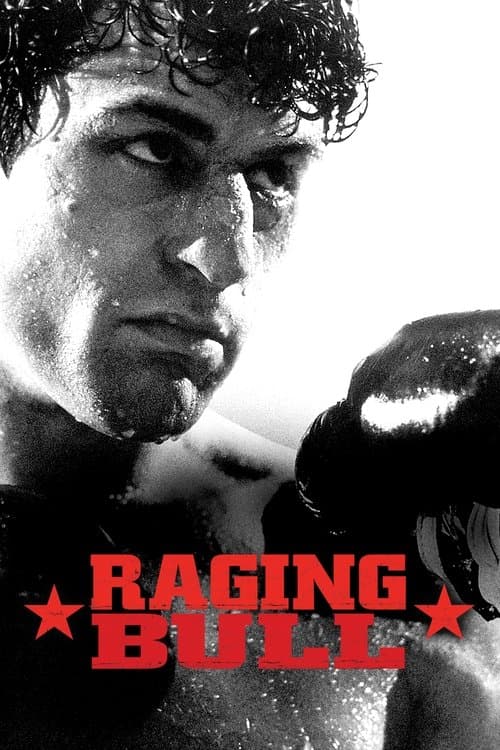
Raging Bull
Martin Scorsese · 1980
The rise and fall of middleweight boxing champion Jake LaMotta, whose volcanic jealousy and self-destructive rage corrode every relationship in his life. Martin Scorsese's black-and-white portrait is less a sports film than a relentless study in masculine shame.
Techniques Used
5 techniques identified in this film
Chiaroscuro Lighting
CinematographyHigh-contrast lighting that uses deep shadows and bright highlights to create dramatic visual tension.
How this film uses it
The boxing ring sequences are lit as moral arenas — harsh white light on the canvas, darkness beyond the ropes — turning each fight into a confessional rather than a sport.
Physical Transformation as Arc
PsychologyUsing the actor's bodily change over the course of filming to externalize a character's psychological journey.
How this film uses it
De Niro's 60-pound weight gain for the later scenes makes LaMotta's decline legible in the body — the champion's physique swallowed by the man's ruin.
Shutter Angle Manipulation
CinematographyAdjusting the camera's shutter angle to alter motion blur, creating hyper-sharp or dream-like movement.
How this film uses it
Scorsese and cinematographer Michael Chapman vary shutter speeds within single fights — slow motion for brutality, overcranked chaos for confusion — making each bout a different emotional experience.
Voiceover as Seduction
NarrativeUsing first-person narration to draw the viewer into a character's self-justifying worldview.
How this film uses it
LaMotta's occasional narration frames his violence as inevitable, inviting the audience to understand — if not sympathize — with a man who destroys everything he loves.
Subjective Camera
CinematographyShooting from a character's literal point of view to place the audience inside their perception.
How this film uses it
The ring sequences frequently cut to LaMotta's POV — opponents loom large, the crowd distorts — placing the viewer inside the boxer's tunnel vision rather than above it.
You Might Also Like
Films that share at least one technique with Raging Bull
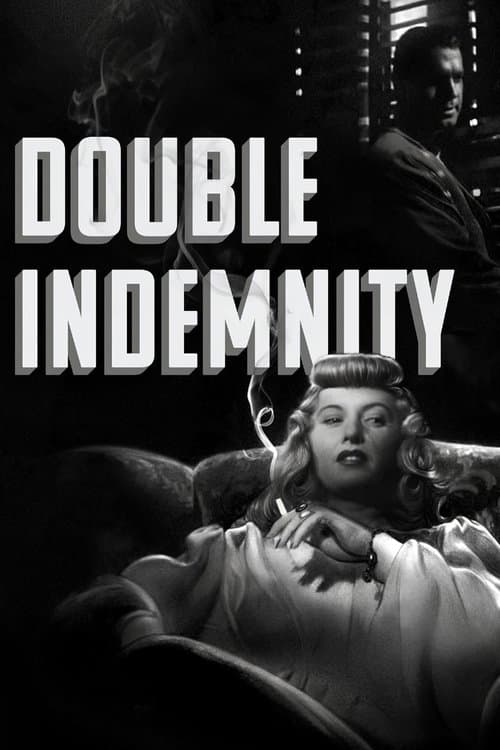
An insurance salesman is seduced by a client's wife into helping murder her husband and collect on the policy — then discovers that the scheme was always designed to consume him as well. The film that established the femme fatale and the criminal confession as noir's defining elements.
Double Indemnity
Billy Wilder · 1944
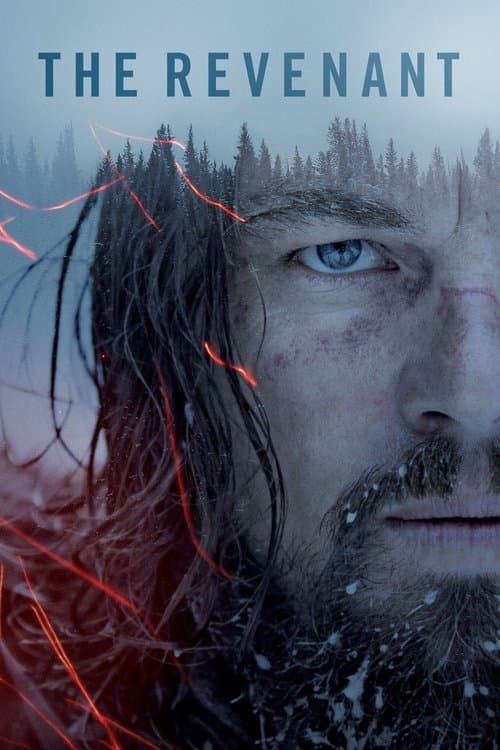
Fur trapper Hugh Glass is mauled by a bear and left for dead by his companions in the uncharted American wilderness, and survives a punishing winter landscape driven entirely by the will to reach the man who killed his son. Iñárritu's film is a sustained inquiry into what the body can endure and what survival costs.
The Revenant
Alejandro G. Iñárritu · 2015
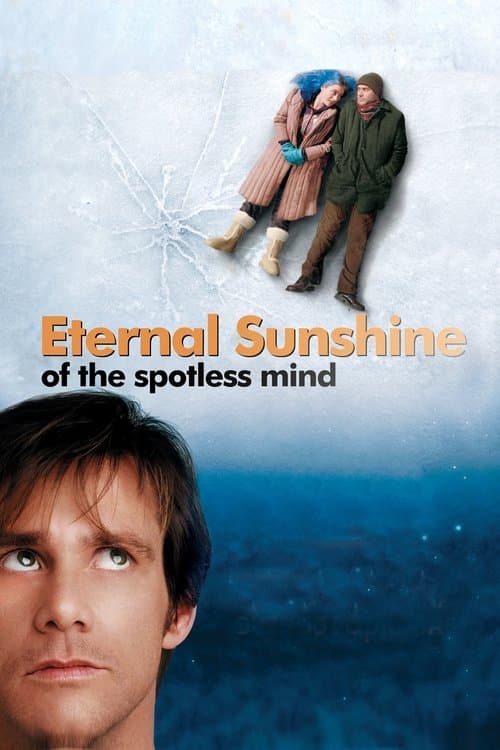
After a painful breakup, a man undergoes a procedure to erase his ex-girlfriend from his memory — but partway through, he changes his mind. A meditation on love, grief, and what makes experience worth having.
Eternal Sunshine of the Spotless Mind
Michel Gondry · 2004