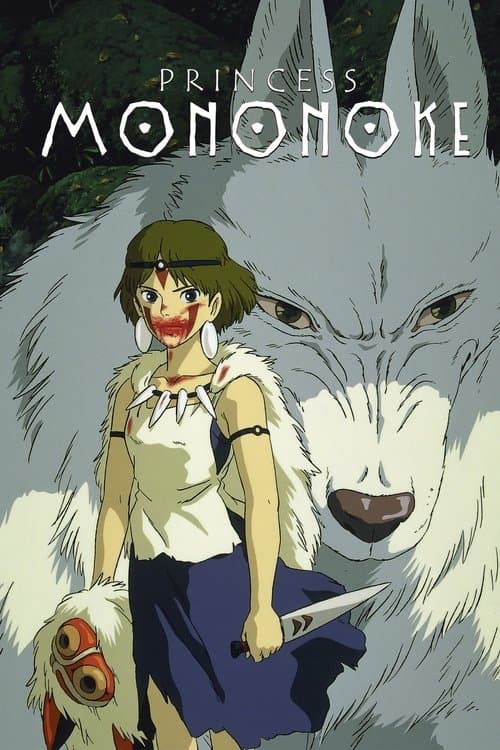
Princess Mononoke
Hayao Miyazaki · 1997
A young warrior prince becomes entangled in a war between a human mining colony and the ancient gods of the forest, and refuses to take a side. A film about industrialization, ecology, and the tragedy of irreconcilable necessities — the first Miyazaki film with no clear villain.
Techniques Used
4 techniques identified in this film
Moral Complexity Without Villains
NarrativeStructuring a conflict so that every party has a legitimate claim and genuine motivation — refusing the genre convention of a villain whose defeat resolves the story, insisting instead on the tragic irresolvability of competing needs.
How this film uses it
Lady Eboshi is not evil — she is building a community for the dispossessed, and she fights the forest to do it. San is not unreasonable — she is defending her home and her gods. Ashitaka sees both. Miyazaki refuses to resolve the conflict cleanly because the conflict mirrors a real historical and ecological tragedy.
Ecological Animism
NarrativeTreating nature as a conscious, animate presence — with its own agency, hierarchy, and sacred status — rather than as backdrop or resource, using spiritual frameworks to argue for environmental value.
How this film uses it
Miyazaki draws on Japanese Shinto animism to give the forest literal consciousness: the Forest Spirit is a god, the kodama are spirits, the boar and wolf gods have personalities and political agendas. The forest has as much interiority as any human character — and its destruction is presented as a moral catastrophe.
Hand-Painted Environmental Scale
CinematographyUsing hand-painted backgrounds of exceptional detail and scale to establish environments that are simultaneously realistic in texture and fantastical in presence — the painterly quality encoding both beauty and irreplaceability.
How this film uses it
Ghibli's background artists painted the ancient forest in extraordinary detail — specific moss textures, light through canopies, root systems. The visual argument is that this world has a specificity worth preserving. The beauty of the backgrounds is inseparable from the film's ecological argument.
Female Agency as Structural Default
NarrativePlacing female characters in positions of primary agency — as leaders, antagonists, and protagonists — without making their gender the subject of the narrative, treating female authority as unremarkable within the story's world.
How this film uses it
Lady Eboshi leads Irontown; San leads the wolf pack's human member; the women of Irontown are its primary workforce. Male authority is the exception in this world, not the rule. Miyazaki doesn't announce this — he simply constructs a world where women's leadership is the baseline.
You Might Also Like
Films that share at least one technique with Princess Mononoke
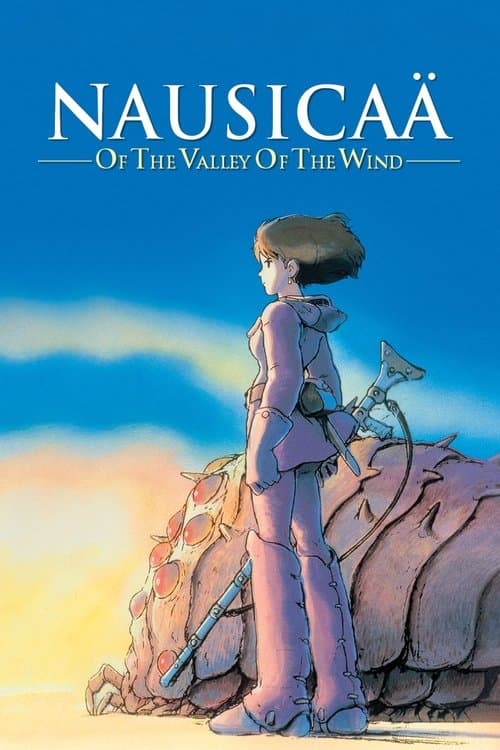
In a post-apocalyptic world overrun by a toxic jungle and giant insects, a young princess named Nausicaä works to prevent a war between human factions while discovering that the poisonous forest is actually purifying a planet that humans have destroyed. Miyazaki's founding ecological epic establishes every theme he will spend his career developing.
Nausicaä of the Valley of the Wind
Hayao Miyazaki · 1984
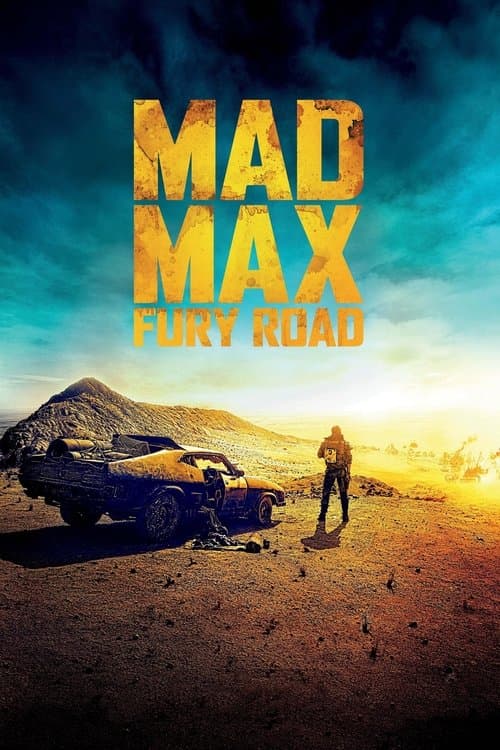
In a post-apocalyptic wasteland, Imperator Furiosa attempts to smuggle the warlord Immortan Joe's wives to freedom while Max Rockatansky — captive, feral — becomes an unlikely ally. A two-hour chase film that is also, formally, one of the most precisely edited action films ever made.
Mad Max: Fury Road
George Miller · 2015
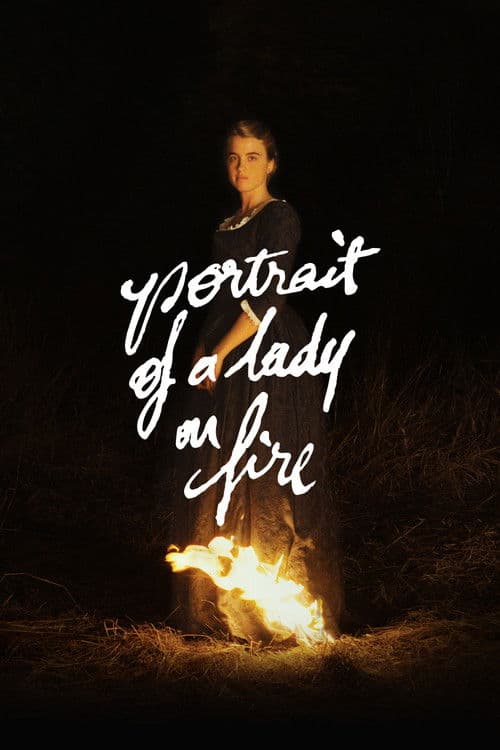
A painter is commissioned to secretly produce a portrait of a reluctant noblewoman intended for a prospective husband — and the process of looking, of being looked at, becomes the structure of a love that convention will not permit. Céline Sciamma's film makes observation itself an erotic and political act.
Portrait of a Lady on Fire
Céline Sciamma · 2019