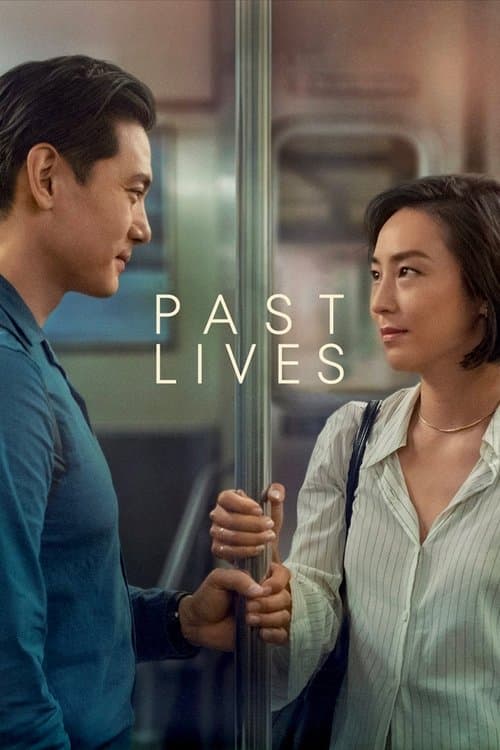
Past Lives
Celine Song · 2023
Two childhood friends in Seoul are separated when one emigrates to Canada, reconnect twice over twenty-four years — once in their twenties online, once when he visits her in New York a decade later — and must reckon with the life not lived. The most emotionally precise film about adult longing in years.
Techniques Used
4 techniques identified in this film
Observational Restraint
CinematographyA visual approach that refuses dramatic emphasis — watching characters at a measured distance without editorial guidance — the camera as a patient, uninflected witness.
How this film uses it
Shabier Kirchner's cinematography holds on faces without close-ups as emotional punctuation, observes conversations without shot-reverse-shot emphasis, follows characters through New York at a distance that feels respectful rather than detached. The restraint gives the film its emotional weight: the audience must feel what the camera declines to signal.
Romantic Triangle Geometry
NarrativeThree characters in a triangular emotional relationship — each pair with its own dynamic — the triangle generating the narrative's emotional complexity.
How this film uses it
Nora, Hae Sung, and Arthur are not in a conventional love triangle — there is no rivalry, no deception. The triangle is temporal: Hae Sung represents what Nora was; Arthur represents what she chose to become; Nora is the person standing between her past self and her present life. The geometry is about time, not competition.
Circular Structure
NarrativeA narrative that ends by returning to its beginning — a repeated image or gesture — so that the ending comments on the opening with the full weight of everything between.
How this film uses it
The film opens on the three characters in a bar, observed by strangers who speculate about their relationships. It ends, effectively, at that same moment — but from inside it. The circular structure makes the film's time collapse: we have been told the ending and then lived toward it, arriving with the knowledge of everything we didn't know at the start.
Handheld Cinema Vérité
CinematographyUsing an unstabilized, mobile camera to create a sense of witnessed rather than staged reality — the camera as a present observer rather than a composed recorder.
How this film uses it
Kirchner uses handheld in the film's most intimate scenes — the video calls, the walk through New York — to give them the quality of something being observed rather than staged. The handheld movement says: this is happening, right now, and it matters in the way that real things matter rather than the way that films matter.
You Might Also Like
Films that share at least one technique with Past Lives
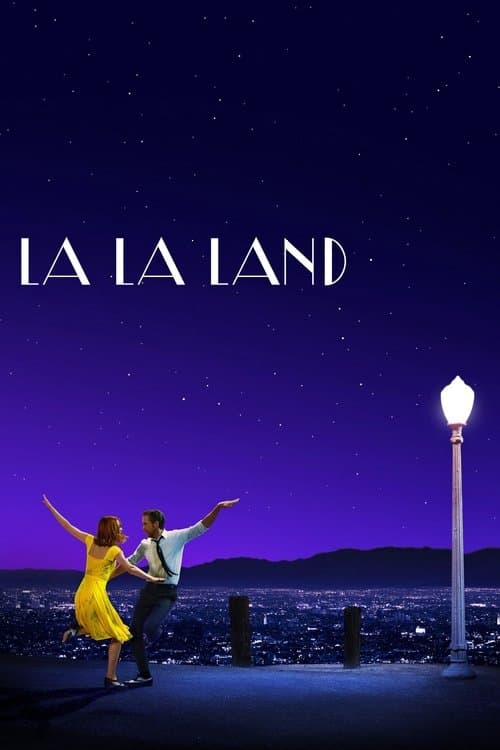
A jazz pianist and an aspiring actress fall in love in Los Angeles while pursuing their individual dreams — and find that the dreams and the love may not be simultaneously possible. Damien Chazelle's film celebrates the movie musical while mourning it, building to an epilogue that converts romance into something more honest and more difficult.
La La Land
Damien Chazelle · 2016
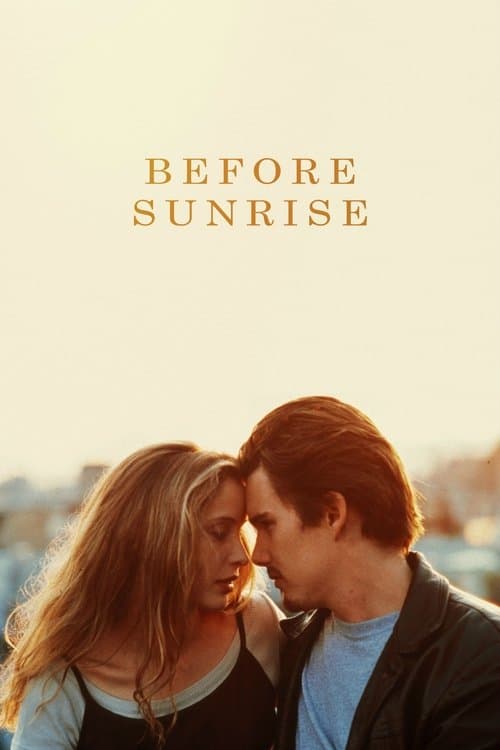
American Jesse and French student Céline meet on a train to Vienna and spend a single night walking the city in conversation, falling in love through the sheer accumulation of thought and attention. Richard Linklater's film is the most persuasive argument in cinema that talking is the most intimate act two people can share.
Before Sunrise
Richard Linklater · 1995
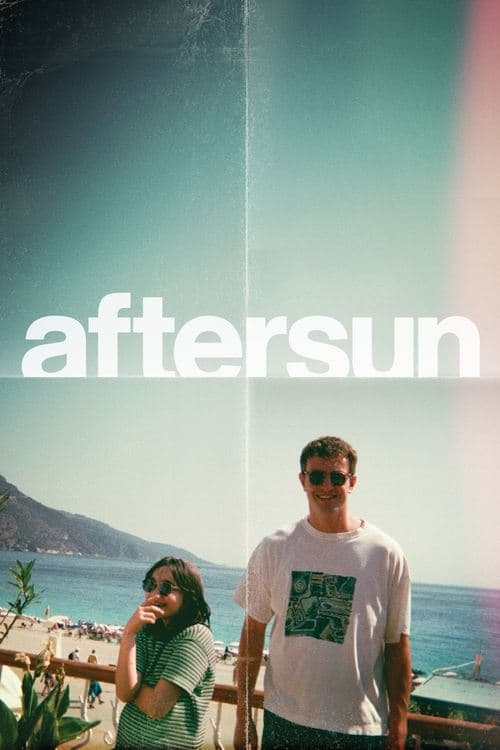
A woman in her early thirties reviews footage from a holiday she took with her father when she was eleven, trying to recover something she didn't understand at the time. Wells's debut film reconstructs a past through the double lens of a child's incomplete perception and an adult's incomplete understanding.
Aftersun
Charlotte Wells · 2022