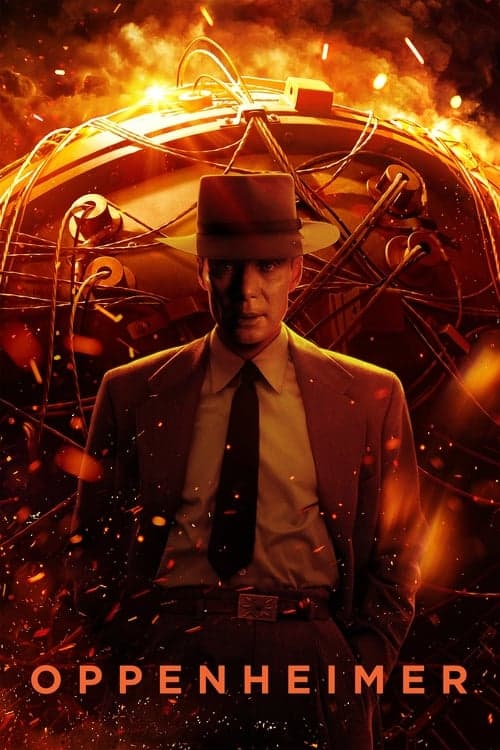
Oppenheimer
Christopher Nolan · 2023
The story of J. Robert Oppenheimer — the American physicist who led the Manhattan Project — told through the interleaved threads of his scientific triumph and his political destruction. Christopher Nolan's film is both a spectacle of creation and a meditation on what it means to build something the world was never meant to survive.
Techniques Used
5 techniques identified in this film
IMAX Cinematography
CinematographyUsing IMAX cameras and large-format film to capture detail, scale, and intimacy simultaneously.
How this film uses it
Nolan shot the Trinity test sequence with practical photographic and chemical effects on IMAX 65mm — the bomb's detonation captured without CGI, giving the explosion a texture of terrifying physical reality.
Anachronic Structure
NarrativeFragmenting the chronology of events into non-sequential blocks, asking the viewer to construct the timeline from partial information.
How this film uses it
The color sections (Oppenheimer's subjective experience) and the black-and-white sections (Strauss's Senate hearing) fold past and present into each other until the timeline resolves only in the final minutes.
Parallel Chronology
NarrativeRunning multiple timelines simultaneously, often with different temporal scales, which converge at a single narrative point.
How this film uses it
The 1954 security hearing and the 1959 Senate confirmation run simultaneously — Nolan intercutting between them to reveal that Strauss's persecution of Oppenheimer is both ancient grievance and present crime.
Constructed Sound Language
SoundBuilding a film's audio environment from scratch — using non-traditional sources, synthesis, or composition — to create an emotional register unavailable to conventional scoring.
How this film uses it
Ludwig Göransson's score uses solo violin, manipulated electronic textures, and the physical sounds of the Jornada del Muerto desert to build the bomb as an acoustic object — felt before it detonates.
Deliberate Close-Up Performance
CinematographyShooting actors in sustained close-up and allowing their faces to carry the film's emotional and intellectual weight.
How this film uses it
Nolan holds on Cillian Murphy's face through extended sequences where Oppenheimer says nothing — the calculation, horror, pride, and doubt visible only in micro-expressions that the IMAX frame magnifies without mercy.
You Might Also Like
Films that share at least one technique with Oppenheimer

Three women in different eras — Virginia Woolf writing Mrs. Dalloway in 1923, a 1950s Los Angeles housewife reading it, and a contemporary New York woman living it — are linked by a single day, a single novel, and the weight of choosing how to live. The film is a meditation on mortality, creativity, and quiet desperation.
The Hours
Stephen Daldry · 2002
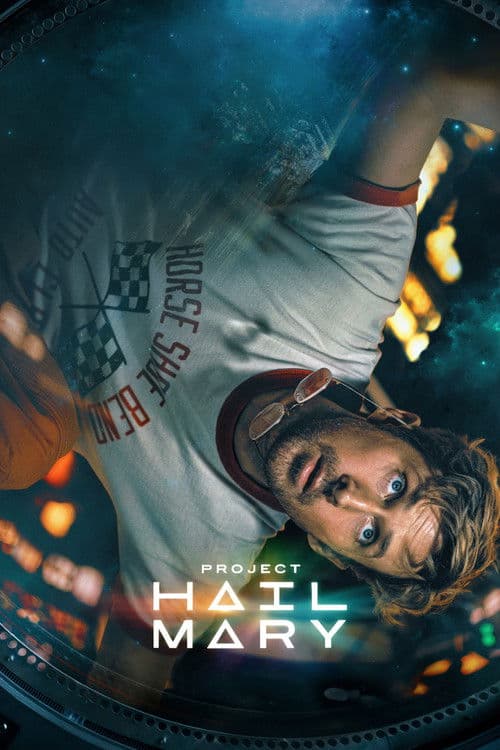
An astronaut wakes up alone on a spacecraft with no memory, slowly piecing together that he is humanity's last hope against an extinction-level threat. A first-contact survival story that finds warmth and humor in the void of deep space.
Project Hail Mary
Phil Lord & Christopher Miller · 2026
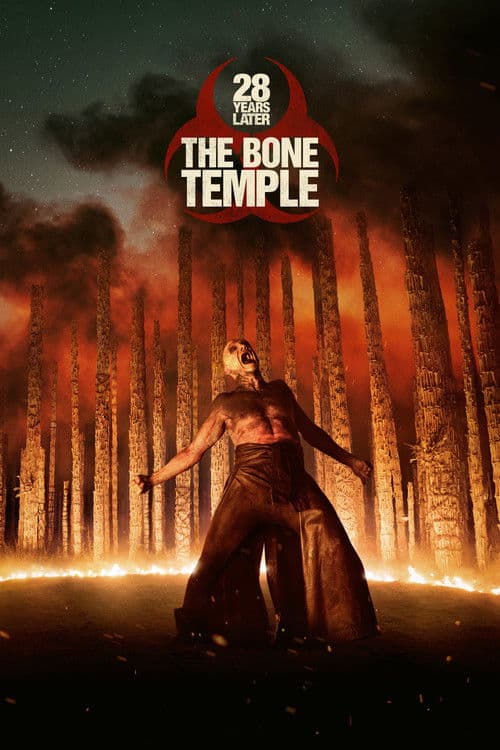
In a Britain ravaged by the Rage virus, a young survivor is captured by a roving Satanic cult while a scientist makes an unprecedented connection with an infected host. Written by Alex Garland, directed by Nia DaCosta — a sequel that deliberately dismantles the visual grammar of its predecessor.
28 Years Later: The Bone Temple
Nia DaCosta · 2026