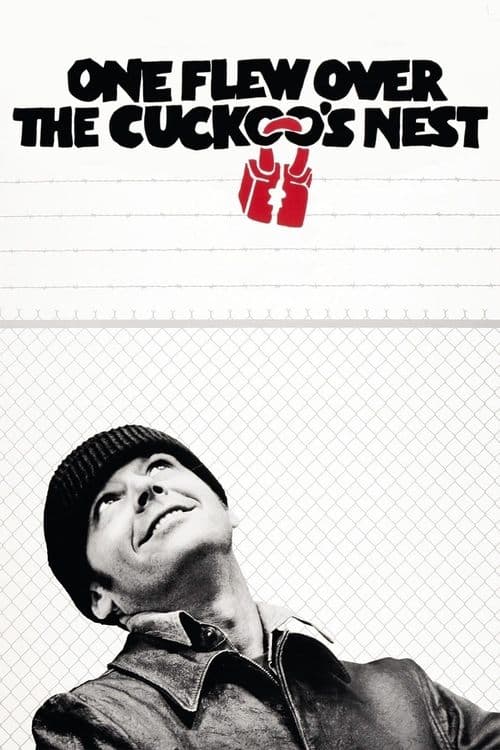
One Flew Over the Cuckoo's Nest
Milos Forman · 1975
A charismatic criminal feigns mental illness to escape a prison work sentence, only to find himself in a psychiatric ward where a nurse maintains total control through bureaucratic terror. A film about institutional power, the suppression of individual will, and the price of rebellion.
Techniques Used
5 techniques identified in this film
Panoptic Space Design
CinematographyDesigning a location so that all inhabitants are visible to a central authority at all times, making surveillance the architectural condition of the space and the primary source of psychological pressure.
How this film uses it
The ward is designed as an open, glass-windowed floor where Nurse Ratched's station commands a view of every patient at all times. Haskell Wexler and Bill Butler's cinematography keeps Ratched's station consistently in frame even in patient close-ups, making her gaze structurally inescapable.
Bureaucratic Dialogue as Violence
SoundUsing calm, procedural, professionally measured speech as the instrument of psychological domination — demonstrating that the most effective institutional control requires no raised voice.
How this film uses it
Louise Fletcher's Nurse Ratched never shouts. Her power comes from the quiet application of procedure: calling votes, scheduling medication, recording observations. The contrast between her calm register and the devastation she causes is the film's central horror.
Sacrificial Rebel Arc
NarrativeA narrative structure in which a charismatic outsider enters a closed system, liberates those trapped within it, and is ultimately destroyed by the system — their sacrifice enabling others' escape.
How this film uses it
McMurphy arrives as pure appetite and exits as a lobotomized shell — but his rebellion gives Chief Bromden the will to escape. The structure is explicitly Christ-like: the rebel is destroyed, but the resurrection belongs to someone else. Forman earns the ending by making McMurphy genuinely dangerous as well as liberating.
Naturalistic Ensemble Casting
CinematographyCasting non-professional or largely unknown actors alongside leads to create an ensemble whose group dynamic feels genuinely unscripted — the social texture of a community rather than a set of performances.
How this film uses it
Forman cast several of the ward patients with actors who had little prior film experience, and spent time with them before shooting so their interactions with Jack Nicholson felt genuinely spontaneous. The ward feels inhabited rather than performed.
The Party as Transgression
NarrativeUsing a festive sequence — a party, a celebration, a moment of collective joy — as a narrative pivot point after which the institution reasserts itself with maximum force, so that the pleasure is inseparable from the consequences it produces.
How this film uses it
McMurphy smuggles in alcohol and two women for an overnight party in the ward. The sequence is the film's most joyful — and its most devastating hinge. The morning aftermath triggers the chain of events that destroys McMurphy and Billy Bibbit both.
You Might Also Like
Films that share at least one technique with One Flew Over the Cuckoo's Nest
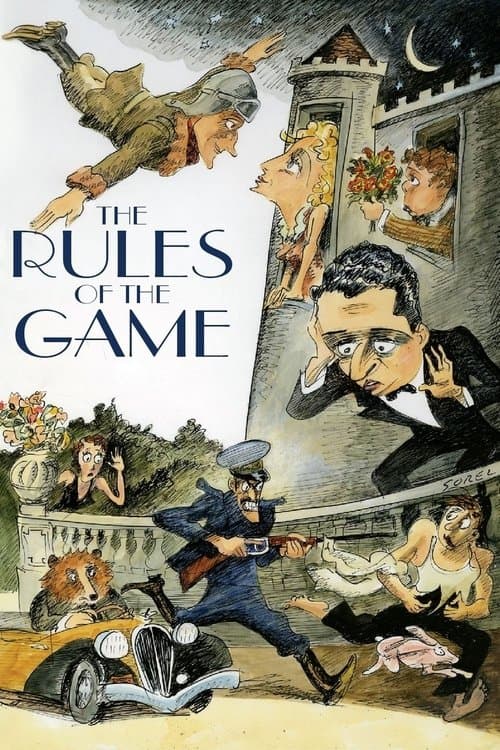
A weekend house party at a French château brings together aristocrats and their servants in a web of romantic entanglements, each participant playing by rules they barely understand. Jean Renoir's masterpiece is a savagely funny and melancholy autopsy of a class about to be destroyed by history.
The Rules of the Game
Jean Renoir · 1939
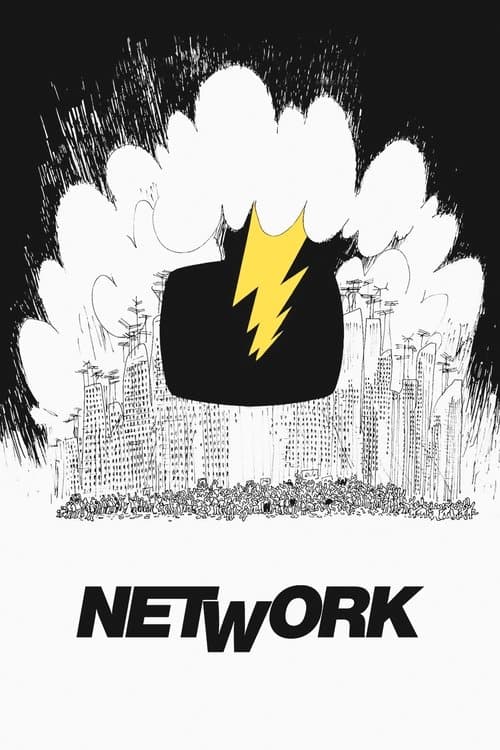
A television news anchor has a breakdown on air, announces he will kill himself on next week's broadcast, and becomes a ratings sensation. The network's executives debate whether to protect him or exploit him — and the answer is not difficult. A satire so accurate that it reads as prophecy.
Network
Sidney Lumet · 1976
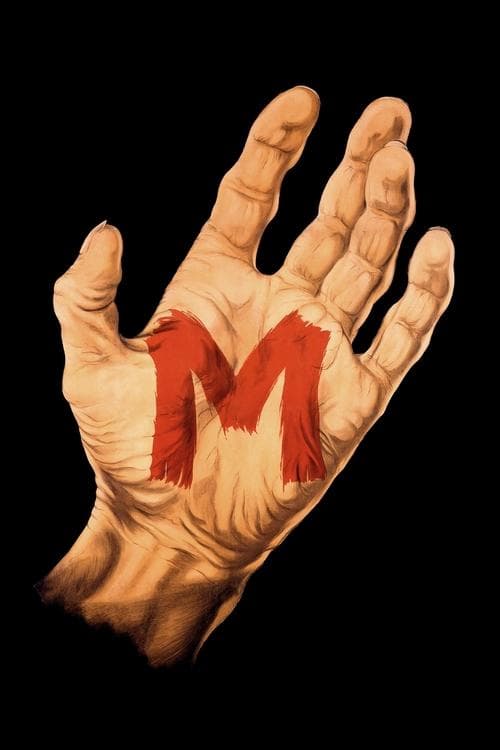
A child murderer terrorizes a German city, prompting both the police and the criminal underworld to hunt him down — for different reasons. Lang's first sound film uses the new medium's sonic possibilities to create the first great psychological portrait of a murderer.
M
Fritz Lang · 1931