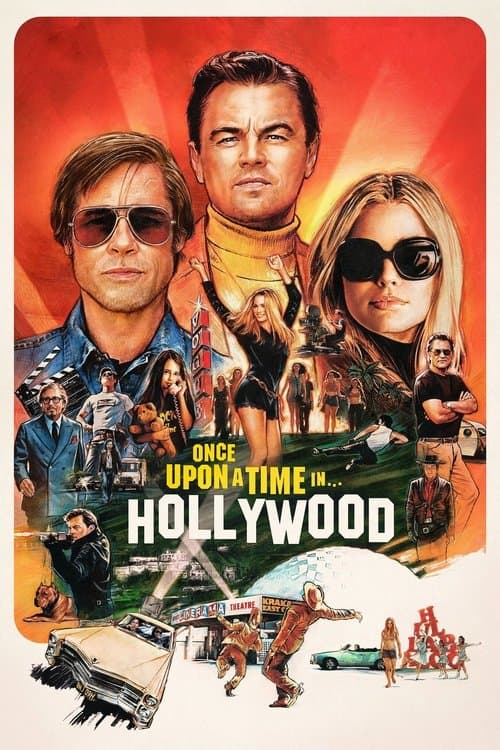
Once Upon a Time in Hollywood
Quentin Tarantino · 2019
Fading TV Western star Rick Dalton and his stunt double Cliff Booth navigate 1969 Hollywood as the world they built their careers on dissolves around them — and Sharon Tate lives her final golden summer next door. Tarantino's film is an act of cinematic grief and wish-fulfillment, mourning the death of one Hollywood by imagining another ending for it.
Techniques Used
5 techniques identified in this film
Counterfactual Narrative
NarrativeRewriting historical events within a fictional frame to explore alternative outcomes, often as a form of wish-fulfillment or moral argument.
How this film uses it
The film's entire final act is a counterfactual revision of the Tate murders — Tarantino using cinema's power to rewrite history as a protective gesture toward Sharon Tate's memory.
Pop Music Needle Drop
SoundUsing pre-existing popular songs at precise moments to carry emotional, ironic, or period-establishing weight.
How this film uses it
The 1969 AM radio soundtrack plays continuously — Paul Revere, Deep Purple, Jose Feliciano — not as nostalgic decoration but as the sonic texture of a specific cultural moment about to end.
Era-Coded Visual Grammar
CinematographyUsing color grading, lens choices, film stock simulation, and production design to encode a specific historical period as a visual experience.
How this film uses it
Robert Richardson shoots 1969 Hollywood in warm, slightly faded tones — the visual equivalent of a Kodachrome memory — making the entire film feel like the last photograph taken before an ending.
Hollywood Self-Indictment
NarrativeUsing the film industry itself as the subject of critique — examining its mythologies, cruelties, and self-delusions from inside.
How this film uses it
Tarantino maps the specific cruelty of Hollywood obsolescence — the declining star, the typecasting, the TV versus film hierarchy — with the insider knowledge of someone who has benefited from the same system.
Picaresque Structure
NarrativeA loose, episodic narrative following a protagonist (or pair) through a series of encounters that accumulate meaning without a conventional plot arc.
How this film uses it
The film wanders with Rick and Cliff through a series of disconnected vignettes — the Lancer set, the Spahn Ranch, the Playboy mansion — each episode a portrait of the era rather than a step in a plot.
You Might Also Like
Films that share at least one technique with Once Upon a Time in Hollywood
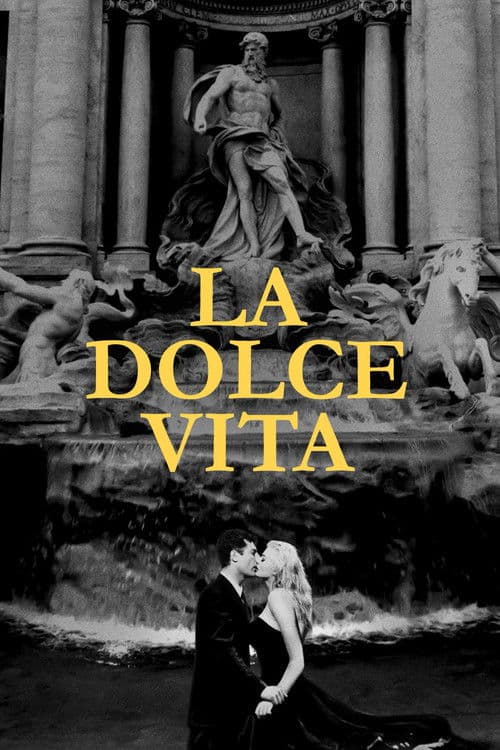
A celebrity journalist drifts through Rome's high society over seven days and nights — parties, scandals, spiritual apparitions, beautiful women — without finding anything that satisfies. Fellini's portrait of postwar Italian society as a magnificent void.
La Dolce Vita
Federico Fellini · 1960
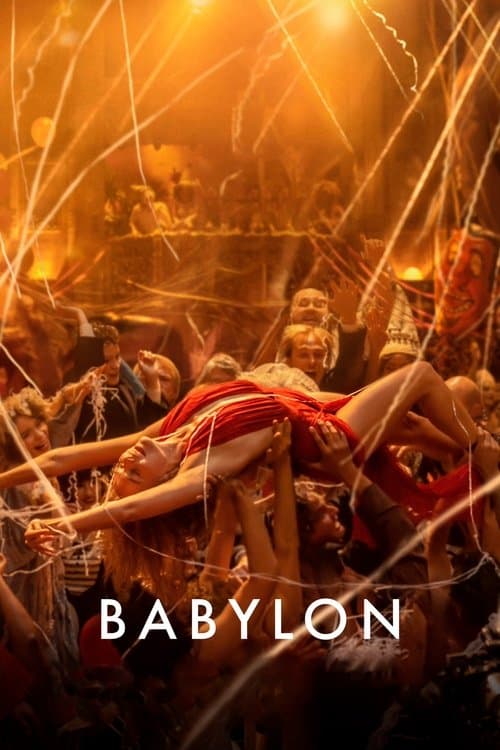
Three characters — a Mexican immigrant desperate to enter the film industry, a silent film star whose voice can't survive the sound transition, and a jazz musician navigating a racist industry — collide in the excess and collapse of 1920s Hollywood. Damien Chazelle's film is a three-hour hymn and autopsy for the movies.
Babylon
Damien Chazelle · 2022
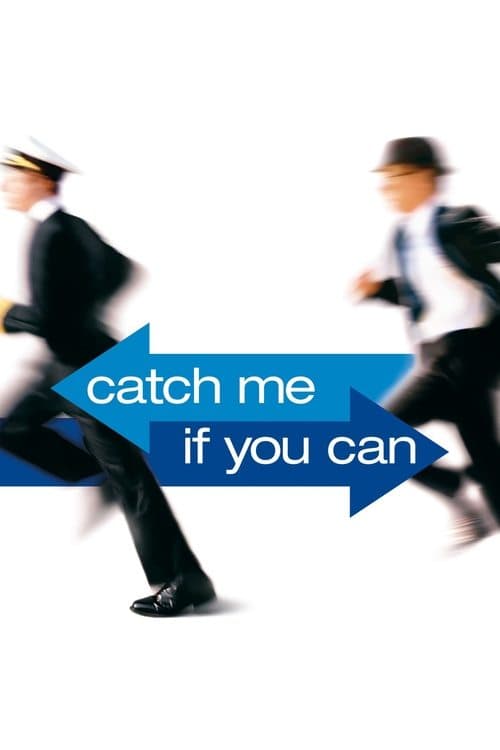
Frank Abagnale Jr. successfully impersonates an airline pilot, a doctor, and a lawyer — and cashes millions in forged checks — before his nineteenth birthday, evading FBI agent Carl Hanratty across multiple continents. Steven Spielberg's film is about the con man as a lost boy performing the father he doesn't have.
Catch Me If You Can
Steven Spielberg · 2002