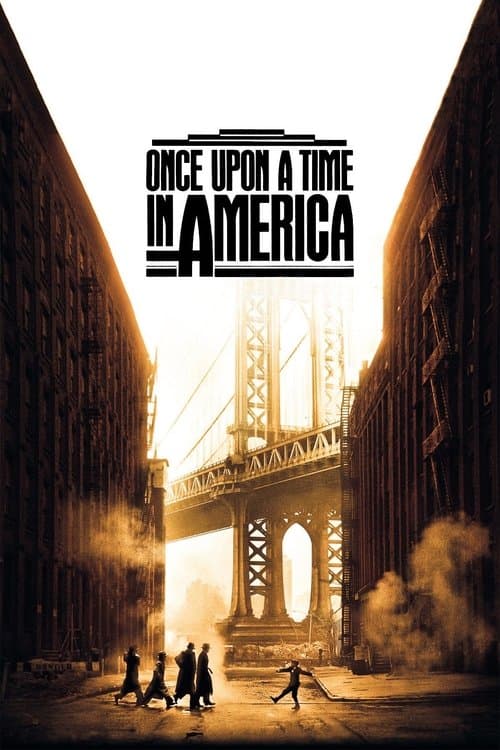
Once Upon a Time in America
Sergio Leone · 1984
David 'Noodles' Aaronson returns to New York decades after betraying his gang, piecing together a life of crime, friendship, and loss across three eras of the twentieth century. Leone's final film uses the gangster epic as a vehicle for exploring memory, guilt, and the impossibility of returning to a past that was already being destroyed as it was lived.
Techniques Used
5 techniques identified in this film
Fractured Memory Editing
EditingEditing that mimics the non-linear, associative structure of traumatic memory — cutting between time periods not according to chronological logic but according to emotional connection and the weight of unresolved guilt.
How this film uses it
Leone structures Noodles' memories as fragments that accumulate around his guilt rather than around chronology. The 1920s, 1930s, and 1968 timelines are intercut according to emotional logic — a smell, a sound, a location triggering a memory that the film follows wherever it leads.
Ennio Morricone Structural Score
SoundA Morricone score that functions not as accompaniment but as structural element — the musical themes operating as emotional markers that organize the narrative and carry thematic weight the dialogue does not.
How this film uses it
The film's Pan flute theme and harmonica motif are not background music; they are the film's memory system. Each return of a theme activates the emotional content of its previous appearances, making the score a second narrative running parallel to the visual one.
Non-Linear Narrative
NarrativePresenting story events out of chronological order to create suspense, reveal character, or mirror psychological states.
How this film uses it
The 1968 frame narrative, the 1930s central tragedy, and the 1920s origin story are presented in an order that prioritizes emotional revelation over plot. The chronological sequence, discovered only gradually, reveals that what appeared to be Noodles' crime was something else entirely.
Retrospective Voiceover
NarrativeA narrator who recounts events from a position of hindsight — so that the telling is shaped by knowledge of how the story ended, grief coloring every happy memory.
How this film uses it
Noodles narrates — or rather embodies — a story whose conclusion he has lived with for decades. His present-tense displacement places every flashback inside a frame of loss; the childhood friendships, the youthful crimes, the love story are all being remembered by a man who knows they are gone.
Slow Build Runtime
NarrativeA film whose extended runtime is used not to tell more story but to alter the audience's temporal relationship with the material — so that watching the film becomes an experience of duration rather than simply a consumption of narrative.
How this film uses it
At nearly four hours, Leone's film demands a relationship with time that mirrors Noodles' own: the past cannot be compressed, memory cannot be accelerated, grief does not resolve. The runtime is not epic indulgence but formal argument — you cannot rush through a life.
You Might Also Like
Films that share at least one technique with Once Upon a Time in America
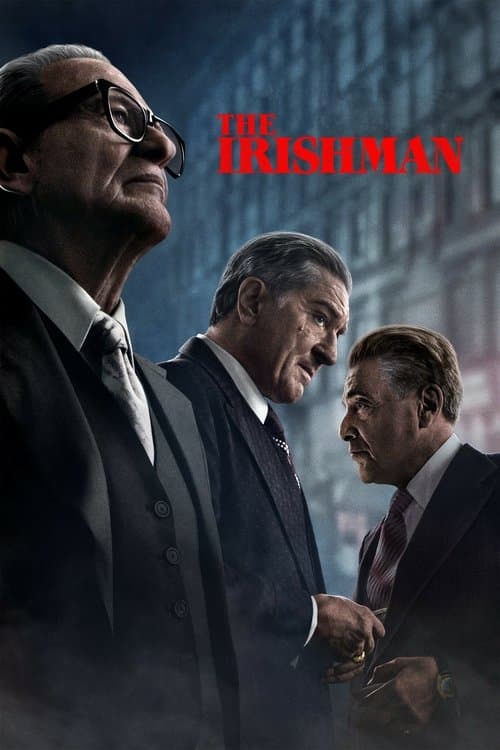
Frank Sheeran, a WWII veteran turned mob hitman, recounts his life of organized crime — including his alleged role in the disappearance of Jimmy Hoffa — from the vantage point of a nursing home. Scorsese's three-and-a-half-hour elegy is less interested in crime than in what a life of it leaves behind.
The Irishman
Martin Scorsese · 2019
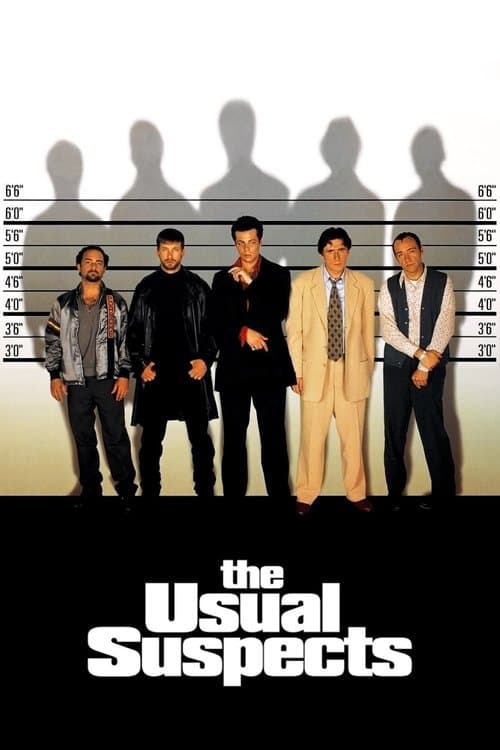
The lone survivor of a massacre at a San Pedro harbor tells a customs agent the story of how five criminals were brought together by the mysterious crime lord Keyser Söze. The film's architecture is built around one of cinema's most celebrated unreliable narrators.
The Usual Suspects
Bryan Singer · 1995
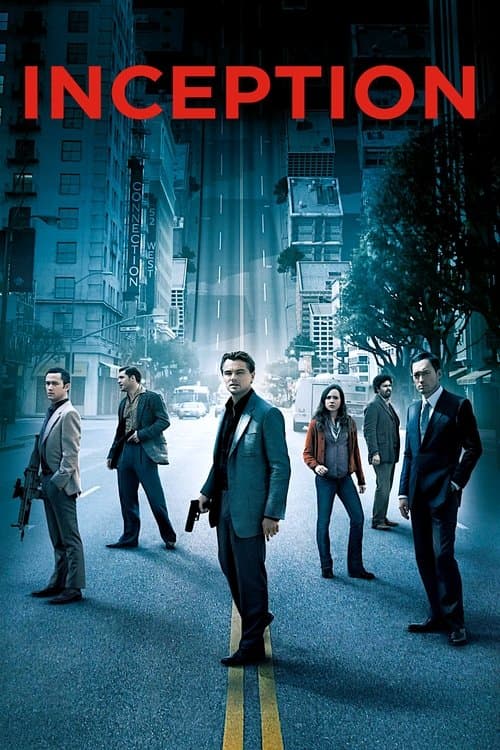
A skilled thief who enters people's dreams is offered a chance to have his criminal record erased if he can implant an idea into a CEO's mind. A labyrinthine heist film about grief, reality, and the architecture of the unconscious.
Inception
Christopher Nolan · 2010