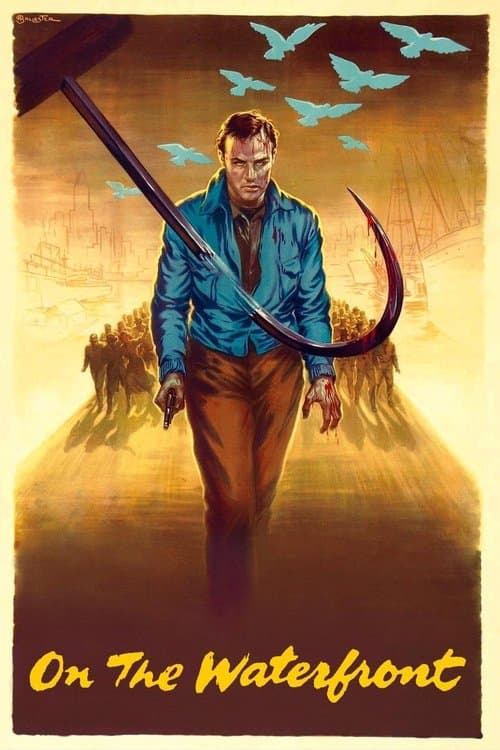
On the Waterfront
Elia Kazan · 1954
A former boxer working on the New York docks is pressured by the corrupt union boss who controls his life — and slowly realizes that the only way out is to testify against him. Kazan's most personal film, a masterpiece of American acting, and one of the most politically contested films ever made.
Techniques Used
4 techniques identified in this film
Working-Class Geography
CinematographyUsing a city's specific working-class architecture — docks, tenements, warehouses — as social signifiers that define what characters are, what they're permitted to want, and what it costs to want something different.
How this film uses it
Boris Kaufman photographs the Hoboken docks in winter light with the texture of a documentary. The geography is specific and constraining: the shape-up, the hiring hall, the waterfront bars. Every location tells us exactly what kind of life is possible here and what kind of moral courage it would take to refuse it.
Perpetrator Perspective
NarrativeFollowing a protagonist who has participated in or enabled wrongdoing — giving the audience access to their complicity and their gradual moral reckoning.
How this film uses it
Terry Malloy was in the room when Joey Doyle was murdered. He fingered him. The film follows him with this knowledge intact — the audience sees Terry's guilt alongside his charm, his self-deception, and his eventual courage. The perpetrator perspective makes the moral transformation cost something: he is not simply discovering injustice, he is confessing to his own part in it.
Earned Catharsis
PsychologyAn emotional release at a film's conclusion that feels genuinely deserved because the film has built its emotional case methodically and refused easy comfort throughout.
How this film uses it
Terry's walk — beaten nearly to death, barely upright — into the warehouse at the film's end is catharsis built from everything that preceded it: the corruption he witnessed, the people he lost, the testimony he gave at enormous cost. The walk doesn't resolve the union's power; it resolves Terry's moral debt to himself.
Character Arc Inversion
NarrativeA protagonist whose defining qualities transform under pressure — the arc revealing character that was always present but suppressed by circumstance or self-deception.
How this film uses it
Terry Malloy believes himself to be a man who minds his own business, who survives by loyalty to Johnny Friendly's organization. The film's arc is the systematic removal of every reason he has to maintain this self-image — until 'I coulda been a contender' is not nostalgia but an accusation he finally acts on.
You Might Also Like
Films that share at least one technique with On the Waterfront
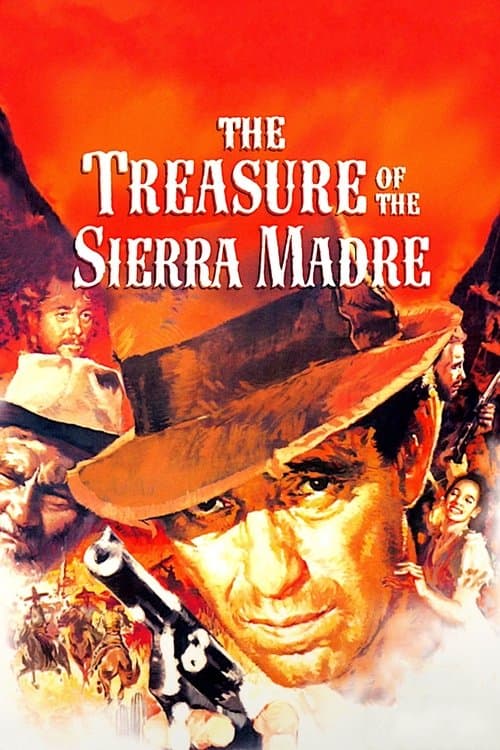
Three American drifters in Mexico strike gold in the mountains and discover that the real danger is not bandits but what greed does to a man's ability to trust anyone. John Huston's pessimistic adventure film treats the acquisition of wealth as a psychological autopsy.
The Treasure of the Sierra Madre
John Huston · 1948

Filmed over twelve consecutive years with the same cast, Richard Linklater's Boyhood follows Mason Evans Jr. from age six to eighteen as he navigates family instability, adolescent confusion, and the slow formation of a self. The film's radical formal conceit — time actually passing — gives it an emotional weight no performance alone could achieve.
Boyhood
Richard Linklater · 2014
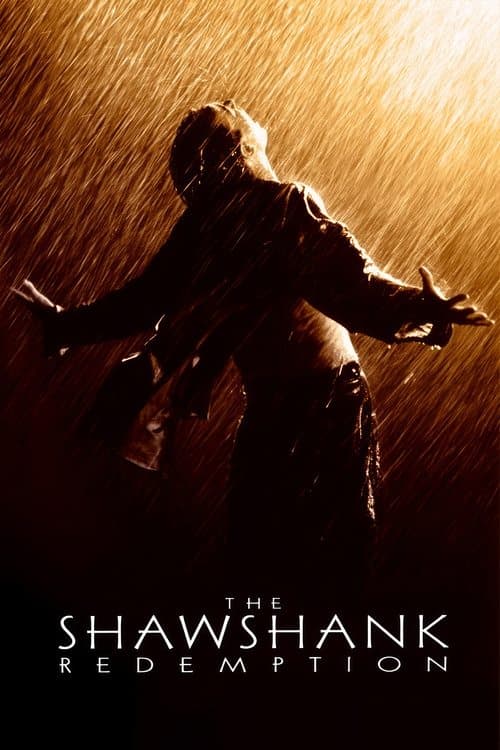
A banker wrongly convicted of murder endures nearly two decades inside Shawshank Prison through quiet resistance, unlikely friendship, and an unbroken will. A film about hope as an act of defiance against the slow machinery of institutional dehumanization.
The Shawshank Redemption
Frank Darabont · 1994