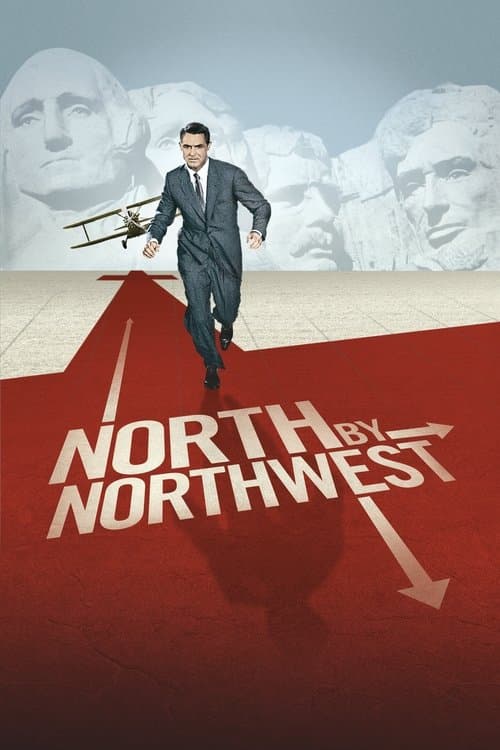
North by Northwest
Alfred Hitchcock · 1959
An advertising executive is mistaken for a government agent, pursued by foreign spies across the country, and drawn into a conspiracy that is never quite what it appears. Hitchcock's most purely pleasurable film, and the one that invented the modern action thriller.
Techniques Used
4 techniques identified in this film
The MacGuffin
NarrativeA plot device — an object, secret, or goal — that motivates every character's action but whose actual content is irrelevant to the film's meaning.
How this film uses it
The government secrets being smuggled out of the country are never specified. What they are doesn't matter — what matters is that everyone believes they matter. The Professor explicitly acknowledges that 'George Kaplan' doesn't exist. Hitchcock treats the MacGuffin with open contempt: the plot's engine is deliberately hollow, which is the point.
Ticking Clock Structure
NarrativeA narrative built on escalating time pressure — each scene increasing the urgency until the climax must resolve before an irreversible deadline.
How this film uses it
Every act of North by Northwest is a new deadline: escape the auction house, survive the crop duster, get to the UN. Each location is a new trap with a new timer. The structure gives the film its breathless momentum — Thornhill cannot pause because each environment becomes dangerous the moment he enters it.
The Bomb Under the Table
NarrativeGiving the audience information characters lack — showing us the danger they cannot see — so that ordinary scenes become unbearable with dramatic irony.
How this film uses it
We know Eve is working for Vandamm before Thornhill does. Every intimate scene between them — her help on the train, her directions to the cornfield — carries the weight of what we know and he doesn't. Hitchcock uses our superior knowledge to make scenes of apparent safety feel dangerous, and scenes of apparent danger feel personal.
Tracking Shot Choreography
CinematographyAn extended, precisely choreographed camera movement following action through space — demonstrating the relationship between people and environments through continuous motion.
How this film uses it
Hitchcock and cinematographer Robert Burks design precise camera movements for key sequences — the UN lobby, the auction house, the Mount Rushmore approach. The choreography makes the spaces feel both real and theatrical: the camera's path is so specific that the audience feels the geometry of the space as well as its danger.
You Might Also Like
Films that share at least one technique with North by Northwest
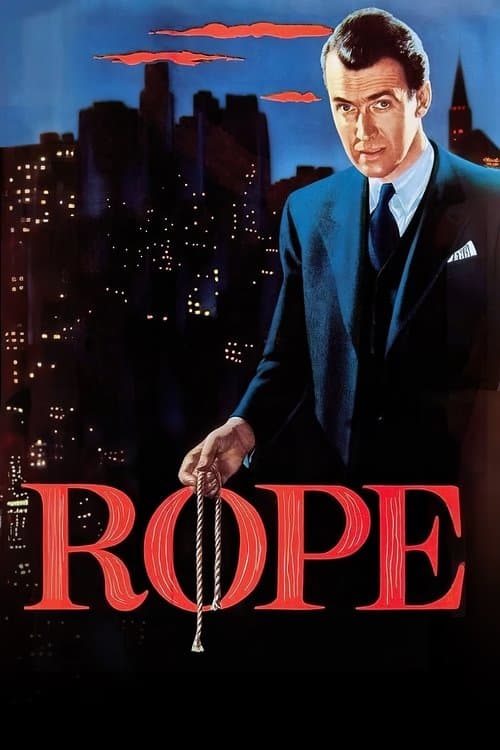
Two young men strangle a former classmate and hide his body in a chest in their apartment, then throw a dinner party for the victim's family and friends — including the prep school housemaster whose Nietzschean philosophy inspired the murder. Hitchcock's formal experiment in real-time cinema.
Rope
Alfred Hitchcock · 1948
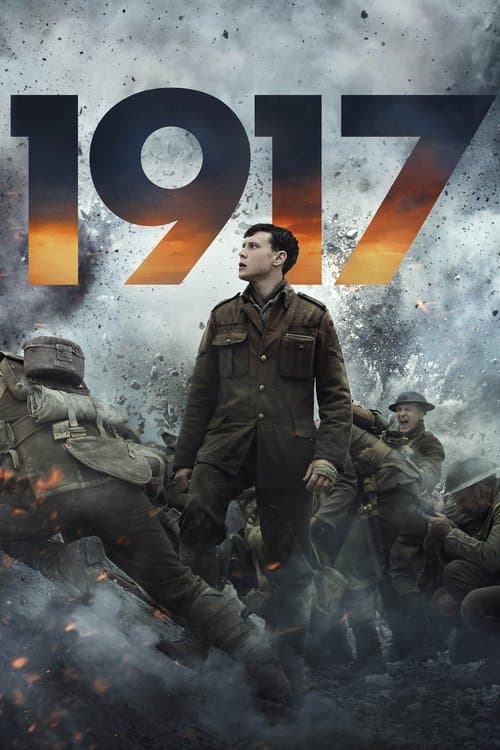
Two British lance corporals are sent across no-man's-land and enemy territory to deliver a message that could save 1,600 soldiers from walking into an ambush. Sam Mendes and cinematographer Roger Deakins construct the film to appear as a single, unbroken take — a continuous journey through landscape as trauma.
1917
Sam Mendes · 2019
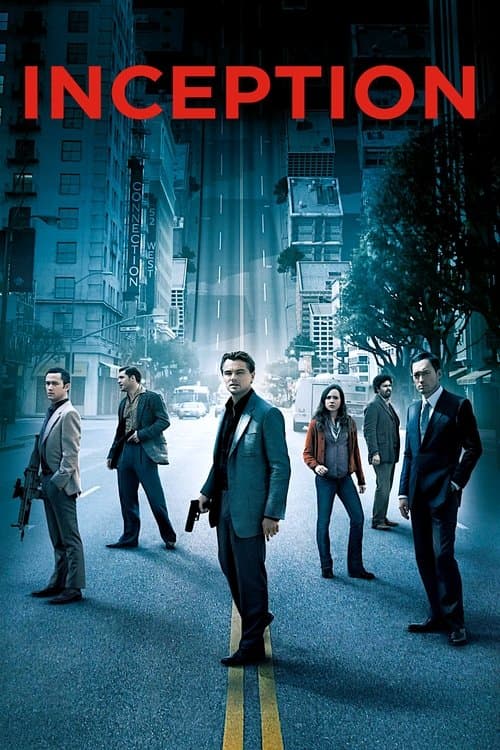
A skilled thief who enters people's dreams is offered a chance to have his criminal record erased if he can implant an idea into a CEO's mind. A labyrinthine heist film about grief, reality, and the architecture of the unconscious.
Inception
Christopher Nolan · 2010