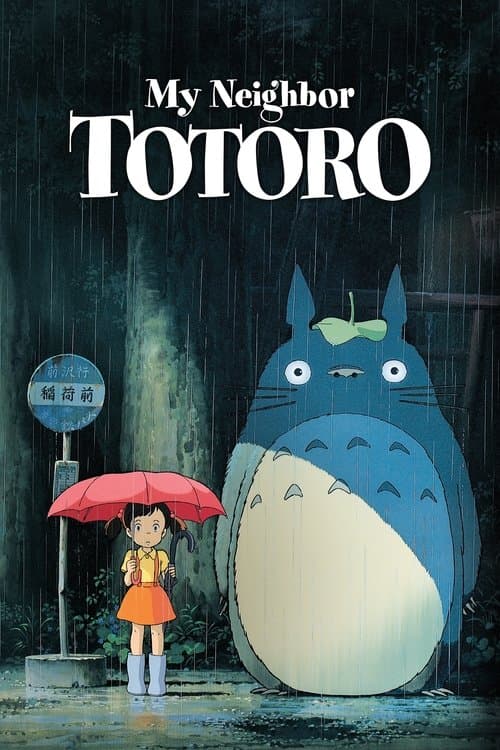
My Neighbor Totoro
Hayao Miyazaki · 1988
Two young sisters move to the countryside with their father while their mother recovers in hospital, and discover that the surrounding forest is inhabited by gentle, enormous spirits. Hayao Miyazaki's film is a perfect capture of childhood's capacity to find wonder in the ordinary and sustain itself through the extraordinary.
Techniques Used
5 techniques identified in this film
Supernatural Realism
NarrativeIntegrating fantastical elements into an otherwise realistic world without explanation or disruption of tone.
How this film uses it
Totoro and the soot sprites are simply part of the world — neither explained nor doubted — presented with the same matter-of-fact certainty as the farmhouse or the camphor tree.
Hand-Drawn Texture
CinematographyUsing the tactile qualities of hand-drawn animation — pencil lines, paint variation, visible brushwork — to create sensory warmth.
How this film uses it
The animators render rain, grass, and Totoro's fur with a tactile specificity that makes the film feel physical — the countryside has weight, dampness, and temperature.
Ecological Animism
NarrativeTreating the natural world as spiritually alive and responsive to human presence.
How this film uses it
The camphor tree is a living sanctuary; the forest is not a backdrop but a subject — Miyazaki presents nature as conscious, patient, and deeply connected to human wellbeing.
Silent Observation Pacing
EditingAllowing scenes to breathe in extended silence, observing characters without narration or musical underscoring.
How this film uses it
Miyazaki holds on moments of waiting — the bus stop, the hospital corridor, Mei in the garden — letting time pass at childhood's actual pace rather than cinema's compressed one.
Innocent Eye Narration
NarrativeFiltering the story entirely through a child's perspective, making the familiar strange and the fantastic ordinary.
How this film uses it
The film never adopts an adult perspective on events — Totoro's existence is as real as the hospital, and the children's emotional logic governs every choice the narrative makes.
You Might Also Like
Films that share at least one technique with My Neighbor Totoro
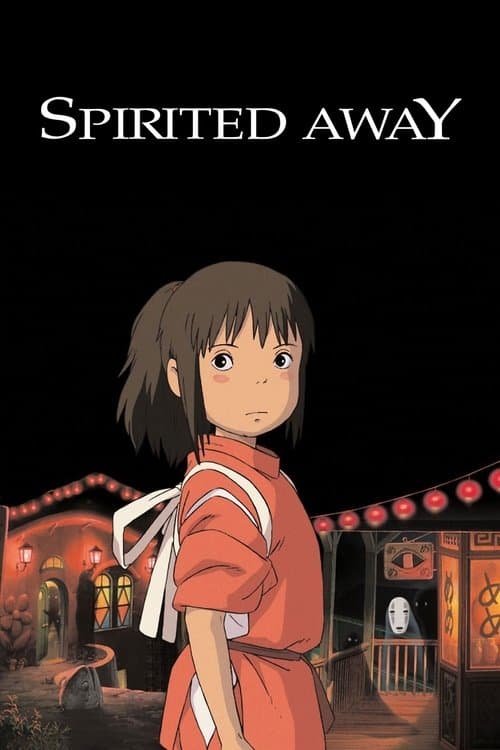
A sulky ten-year-old girl is trapped in a spirit world run by an ancient bathhouse and must work to survive while searching for a way to free her parents who have been turned into pigs. A Shinto-inflected coming-of-age film about labor, identity, and the courage required to grow up.
Spirited Away
Hayao Miyazaki · 2001
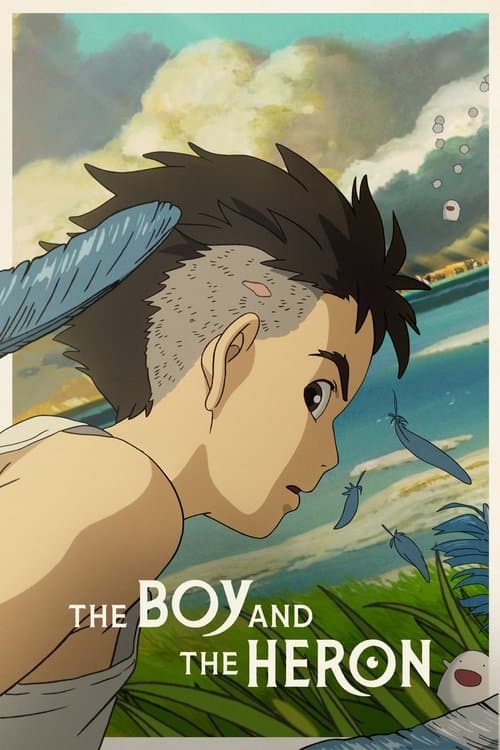
A boy grieving his mother's death is lured by a talking grey heron into a mysterious tower and a world between life and death where the dead and the unborn coexist. Miyazaki's return from retirement is a film about grief, inheritance, and the impossible task of building something that will outlast you.
The Boy and the Heron
Hayao Miyazaki · 2023
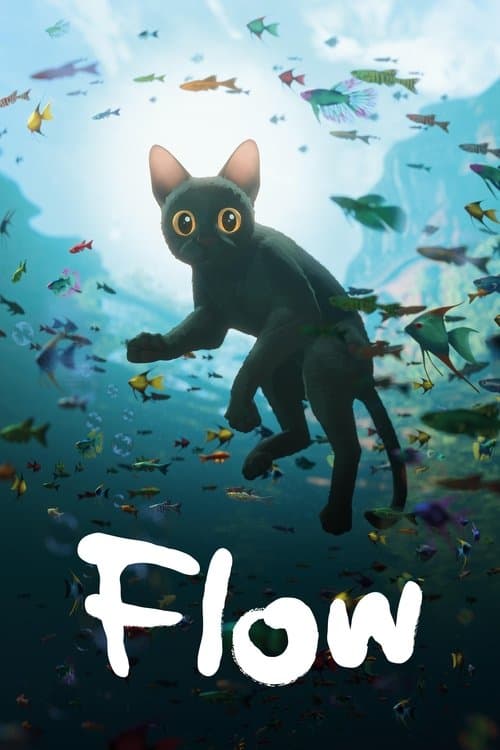
A solitary black cat survives a mysterious global flood by sharing a boat with a capybara, a lemur, a dog, and a secretary bird — none of them able to communicate in language, all of them dependent on each other. Gints Zilbalodis' entirely wordless Latvian animated film is a fable about coexistence made without dialogue.
Flow
Gints Zilbalodis · 2024