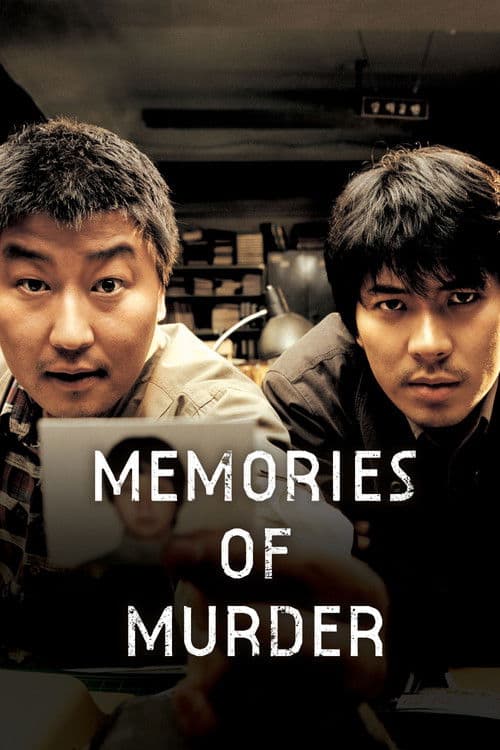
Memories of Murder
Bong Joon-ho · 2003
Two detectives — a provincial brawler and a methodical Seoul investigator — pursue South Korea's first documented serial killer across rice paddies and rural villages in 1986. Bong Joon-ho's breakthrough film is simultaneously a forensic procedural and a portrait of a society whose institutions are not yet equipped for the crimes they face.
Techniques Used
5 techniques identified in this film
Forensic Inference Narration
NarrativeConstructing a narrative through a detective character's real-time reasoning — so that the audience assembles the truth alongside the investigator rather than receiving it through exposition.
How this film uses it
The investigation is built from inference and error: the detectives piece together patterns, misread evidence, and pursue suspects who are innocent. The forensic narration is as much about the failure of inference as its success — the investigation's method is the film's subject, not its solution.
Deadpan Absurdism
NarrativeRendering extreme or violent events through flat affect, mundane dialogue, and bureaucratic procedure — creating comedy from the collision between event and response.
How this film uses it
Bong intercuts genuine horror with provincial slapstick — detectives contaminating crime scenes, mistaken arrests, bureaucratic incompetence performed with complete earnestness. The deadpan accurately portrays an institutional infrastructure encountering something it has no framework for.
Triangulated Moral Ambiguity
NarrativeDistributing the film's moral weight across three or more parties — so that no single position holds exclusive claim to virtue.
How this film uses it
Detective Park's intuitive brutality, Detective Seo's methodical rationalism, and their prime suspect's ambiguous guilt form a moral triangle the film never resolves. Neither approach succeeds; neither investigator is vindicated; the weight rests on a system that failed rather than individuals who did.
Small Town as Moral Geography
NarrativeUsing a specific small-town setting not merely as location but as moral terrain — where the community's values and limitations shape what is possible.
How this film uses it
The rural Gyeonggi Province of 1986 is a society in which the investigation's tools — DNA analysis, profiling, forensic science — do not yet exist. The provincial setting determines the investigative tools available; the geography's limits are the film's moral limits.
Epistemic Collapse
PsychologyA narrative event in which a character's entire framework for understanding events disintegrates — revealed to have been built on false premises, with no replacement available.
How this film uses it
The American DNA result arrives: negative. Every suspect is excluded. The case is officially unsolved. The film ends on Detective Park's face returning to the original crime scene decades later — the epistemic collapse complete and permanent, no framework ever worked.
You Might Also Like
Films that share at least one technique with Memories of Murder
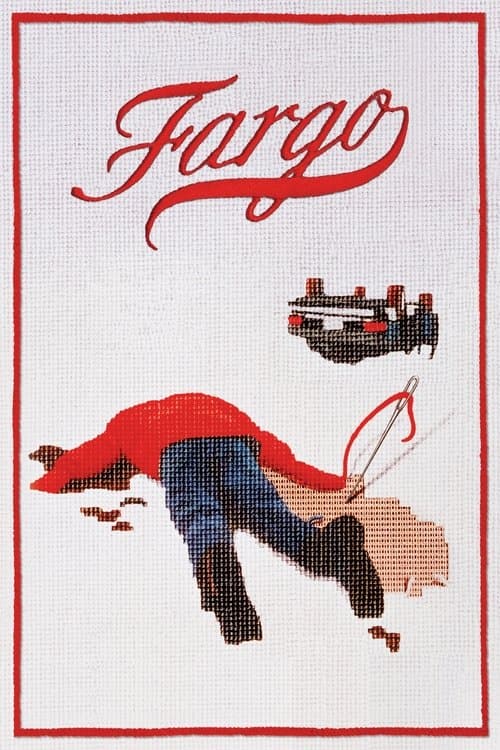
A financially desperate Minnesota car salesman hires two criminals to kidnap his wife for ransom — a scheme that spirals into multiple murders investigated by a very pregnant small-town police chief. The Coens' blackest comedy about the banality of greed.
Fargo
Joel Coen, Ethan Coen · 1996
A desperate car salesman hires two criminals to kidnap his wife for ransom, setting off a chain of incompetent violence that falls to pregnant police chief Marge Gunderson to untangle. The Coens' moral masterpiece locates good and evil in the same flat, snow-covered landscape and finds that decency is more durable than crime.
Fargo
Joel Coen, Ethan Coen · 1996

A delusional beekeeper convinced that a pharmaceutical CEO is an alien infiltrator kidnaps her and imprisons her in his basement to extract a confession. A darkly absurdist hostage thriller in which paranoia, corporate power, and human self-deception become indistinguishable.
Bugonia
Yorgos Lanthimos · 2025