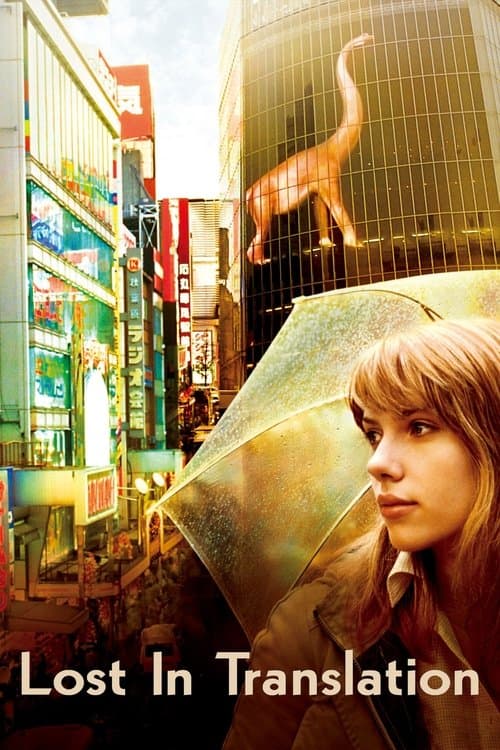
Lost in Translation
Sofia Coppola · 2003
A fading American movie star and a young newlywed woman meet in a Tokyo hotel and form an unexpected connection that neither can fully name or act on. Sofia Coppola's film is about the specific texture of intimacy between strangers — the kind that only exists because it cannot last.
Techniques Used
5 techniques identified in this film
Fish-Out-of-Water Comedy
NarrativePlacing a character in an environment whose codes, language, and expectations they cannot read — using their disorientation as both comedy and a means of revealing their character through their responses.
How this film uses it
Bob Harris's inability to navigate Tokyo — the Japanese whisky commercial shoot, the proportional exercise equipment, the party conversations he cannot follow — is played for gentle, non-condescending comedy. The disorientation is not Japan's problem; it is Bob's, and it mirrors the larger failure of communication he has with his own life.
Color Palette as Worldbuilding
CinematographyAssigning distinct color palettes to different narrative spaces or states — so that the visual world communicates geography, psychology, and meaning without dialogue or exposition.
How this film uses it
Coppola and cinematographer Lance Acord photograph Tokyo in neon, fluorescence, and late-night artificial light — a palette that makes the city beautiful and deeply disorienting simultaneously. The colors are neither alienating nor exotic; they are simply a world whose logic is internally consistent but foreign, like the feelings the film is about.
Diegetic Sound Design
SoundSound that exists within the story world and is heard by characters — used expressively to build tension, atmosphere, or meaning rather than purely for realism.
How this film uses it
Tokyo's ambient sound — the pachinko parlors, the street noise, the hotel corridor sounds at 4 a.m. — is the film's emotional texture. Coppola uses the city's diegetic soundscape to externalize the characters' insomnia, displacement, and the specific loneliness of being awake in an unfamiliar place.
Strategic Silence
SoundThe deliberate removal of ambient sound, dialogue, or score from sequences where conventional filmmaking would fill the space — using silence as an active expressive choice rather than an absence.
How this film uses it
The film ends on the most strategic silence in Coppola's work: Bob whispers something to Charlotte that the audience cannot hear. The withheld words are the film's final and most complete gesture — what they actually said is less important than the fact of the saying, and sharing it with the audience would reduce it.
Earned Catharsis
NarrativeA climactic emotional release that the narrative has systematically built toward — not sentiment applied from outside but feeling that arrives because the film has laid the necessary groundwork.
How this film uses it
The film's catharsis is the whispered goodbye — not a declaration or a resolution but an acknowledgment between two people that something real passed between them. Coppola earns it by spending ninety minutes establishing exactly how rare genuine connection is for either of them.
You Might Also Like
Films that share at least one technique with Lost in Translation
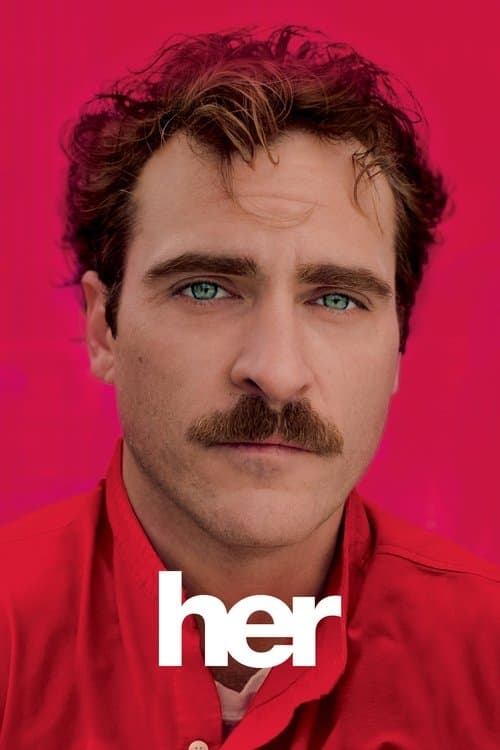
A lonely writer in near-future Los Angeles falls in love with an AI operating system. A tender, melancholy film about connection, loneliness, and what it means to love something that exists differently than you do.
Her
Spike Jonze · 2013
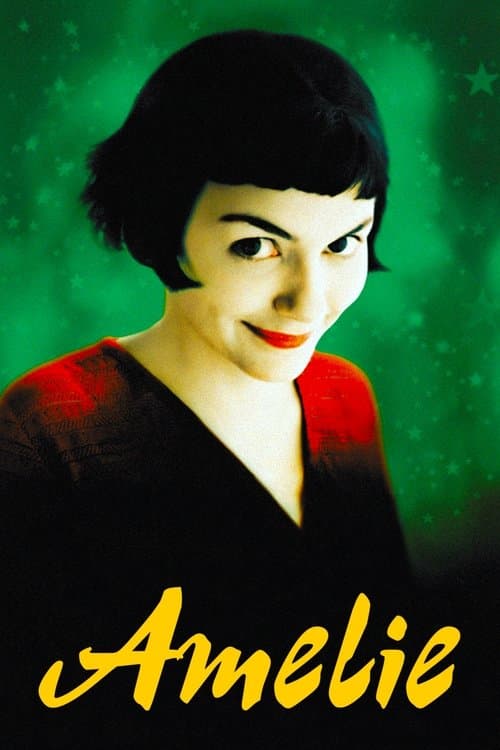
A shy Parisian waitress with an overactive imagination decides to secretly improve the lives of those around her while avoiding the chance at love waiting right in front of her. A film about the relationship between fantasy and genuine connection.
Amélie
Jean-Pierre Jeunet · 2001
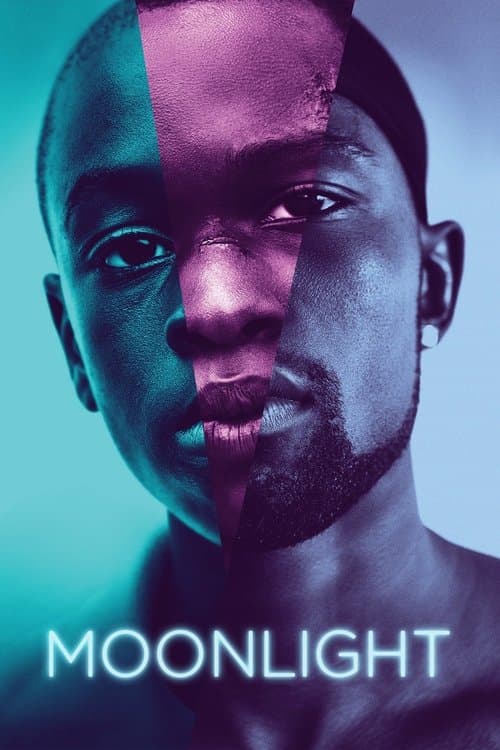
A young Black man in Miami is seen at three moments in his life — as a child, as a teenager, and as an adult — each chapter revealing how he learned to hide and then forget who he actually was. A film about the cost of self-erasure.
Moonlight
Barry Jenkins · 2016