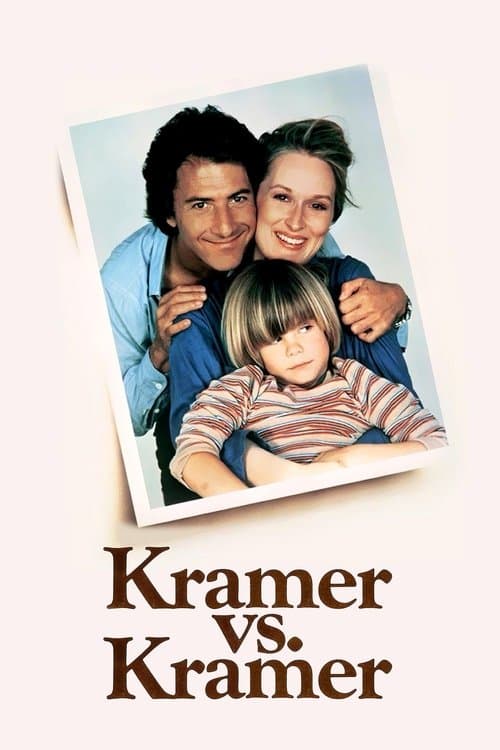
Kramer vs. Kramer
Robert Benton · 1979
A workaholic New York advertising executive must suddenly raise his young son alone after his wife leaves, only for her to return and seek custody. Robert Benton's film made the dissolution of a modern American family into an intimate, devastatingly observed portrait of adults learning to love.
Techniques Used
4 techniques identified in this film
Deliberate Close-Up Performance
CinematographyExtended use of tight facial framing to capture micro-expressions, making the audience hyper-aware of suppressed emotion.
How this film uses it
Benton frames Dustin Hoffman and Meryl Streep in intimate close-ups that catch the precise moment when composure fails — acting that lives in the millimeter movements of the face.
Domestic Handheld Witness
CinematographyA shooting style that uses handheld or loosely framed cameras in interior domestic spaces to create the sense of observing private life rather than staging it.
How this film uses it
Nestor Almendros shoots the Kramer apartment with a watchful, unhurried proximity — the camera present in the kitchen, the bedroom, the breakfast table as if these are real rooms, not sets.
Tonal Succession
NarrativeA structural technique in which a film's emotional register shifts across acts — from comedy to drama, or tension to grief — following a character's changing circumstances.
How this film uses it
The film moves from domestic farce (the French toast disasters, Ted's panic at single parenthood) through tender growth to devastating legal battle, each register earned by the one before it.
Legal Theater
NarrativeThe use of courtroom proceedings as a space where the film's thematic arguments are made explicit through adversarial testimony and legal procedure.
How this film uses it
The custody trial transforms both parents' stories into competing narratives, forcing the audience to evaluate the same facts from opposing moral positions without declaring a winner.
You Might Also Like
Films that share at least one technique with Kramer vs. Kramer

In a Britain ravaged by the Rage virus, a young survivor is captured by a roving Satanic cult while a scientist makes an unprecedented connection with an infected host. Written by Alex Garland, directed by Nia DaCosta — a sequel that deliberately dismantles the visual grammar of its predecessor.
28 Years Later: The Bone Temple
Nia DaCosta · 2026
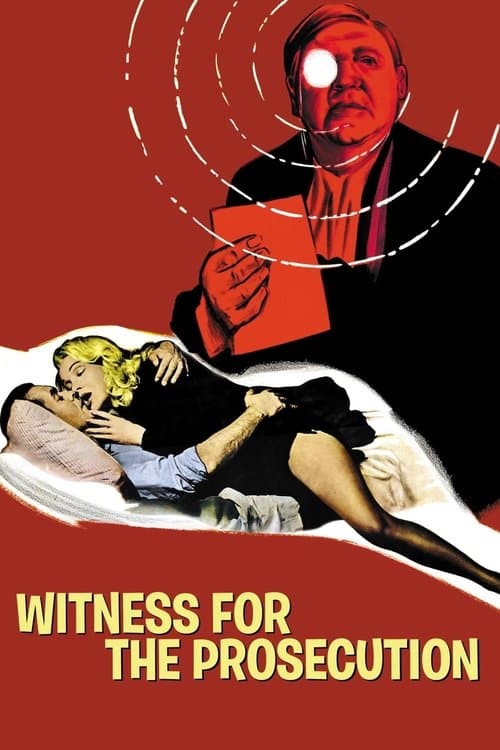
Ailing barrister Sir Wilfrid Robarts takes the seemingly unwinnable case of Leonard Vole, accused of murdering a wealthy widow — only for the testimony of Vole's wife Christine to become the trial's most dangerous variable. Billy Wilder's most perfectly constructed trap, a courtroom film that treats every verdict as a new beginning.
Witness for the Prosecution
Billy Wilder · 1957

Julie, a thirtysomething Oslo woman, navigates a series of false starts — in career, in love, in identity — across twelve chapters and an epilogue, perpetually becoming something other than what the previous version of herself intended. Joachim Trier's film is the definitive millennial portrait of the person who cannot stop reinventing herself.
The Worst Person in the World
Joachim Trier · 2021