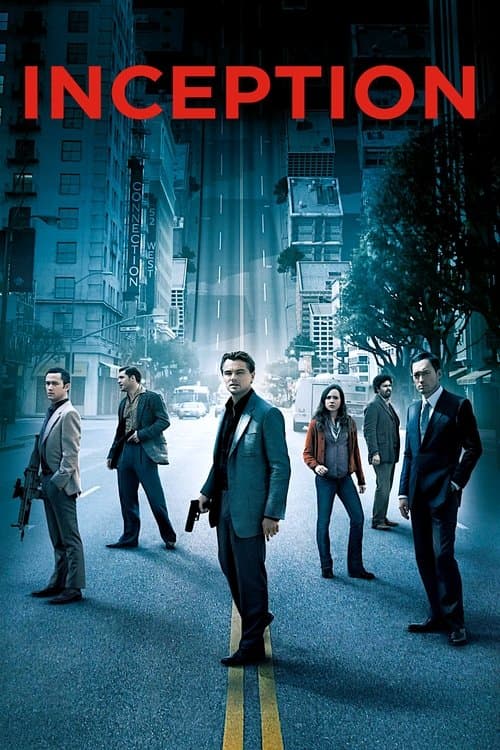
Inception
Christopher Nolan · 2010
A skilled thief who enters people's dreams is offered a chance to have his criminal record erased if he can implant an idea into a CEO's mind. A labyrinthine heist film about grief, reality, and the architecture of the unconscious.
Techniques Used
4 techniques identified in this film
Non-Linear Narrative
NarrativePresenting story events out of chronological order to create suspense, reveal character, or mirror psychological states.
How this film uses it
Nolan intercuts between four simultaneous dream levels occurring at different subjective time rates, creating a nested structure where cause and effect are spatially separated.
Unreliable Reality
PsychologyA narrative strategy where the distinction between what is real and what is fabricated is deliberately kept ambiguous, implicating the audience in the protagonist's uncertainty.
How this film uses it
The spinning top totem is introduced as an objective test of reality but the film's final frame deliberately withholds the answer, asking whether the question even matters.
Practical In-Camera Effects
CinematographyAchieving visual sequences through physical construction and camera manipulation rather than post-production CGI, lending footage a tactile authenticity.
How this film uses it
The rotating hotel corridor fight sequence was filmed in a set built on a giant rotating gimbal, so the camera and actors genuinely moved through a spinning environment.
The MacGuffin
NarrativeAn object or goal that motivates the plot but whose specific nature is ultimately unimportant compared to the character dynamics it creates.
How this film uses it
The 'inception' itself — planting an idea in Fischer's mind — is the MacGuffin; the film is actually about Cobb's unresolved grief over Mal.
You Might Also Like
Films that share at least one technique with Inception
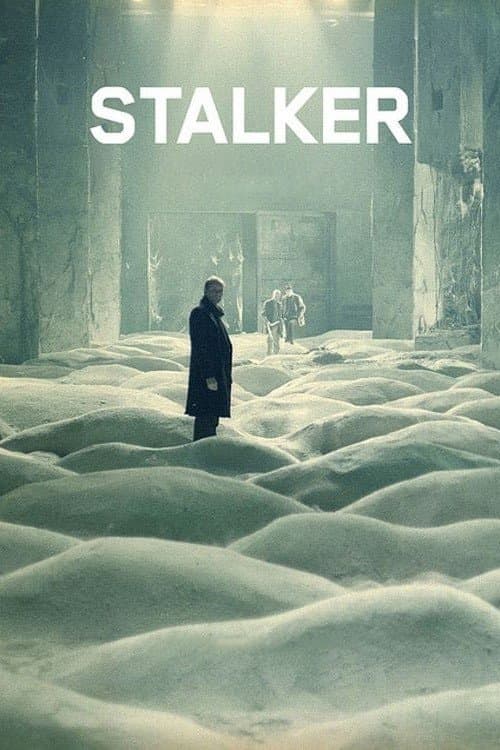
A guide called the Stalker leads a Writer and a Professor through a forbidden wasteland called the Zone, toward a room that is said to grant one's deepest wish. No one can agree on whether the Zone is real, dangerous, or spiritual. One of cinema's most sustained meditations on faith, desire, and the nature of art.
Stalker
Andrei Tarkovsky · 1979
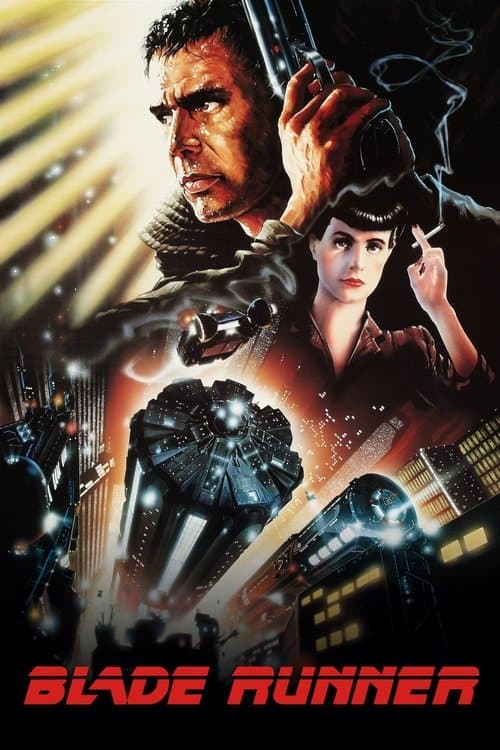
A detective in a rain-soaked 2019 Los Angeles hunts down escaped synthetic humans called replicants, and begins to question the nature of his own humanity. The film that defined the visual grammar of cinematic dystopia.
Blade Runner
Ridley Scott · 1982
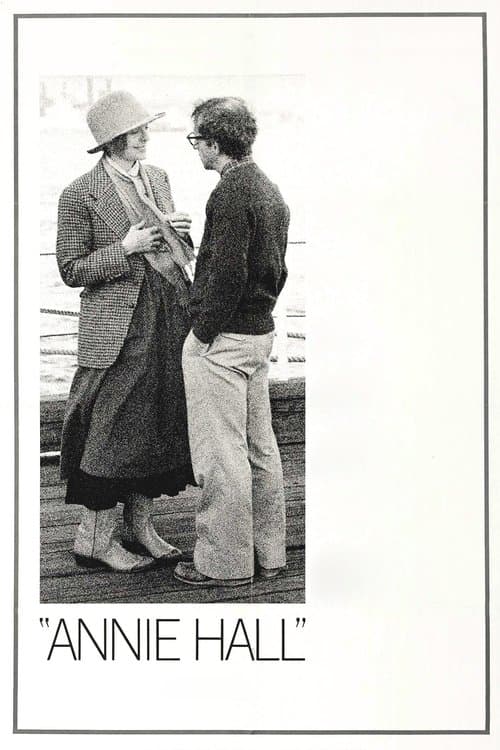
A neurotic New York comedian attempts to understand why his relationship with Annie Hall ended by examining the relationship itself — talking directly to the audience, disrupting time, and refusing the conventions of romantic comedy. The film that made the breakup movie serious.
Annie Hall
Woody Allen · 1977