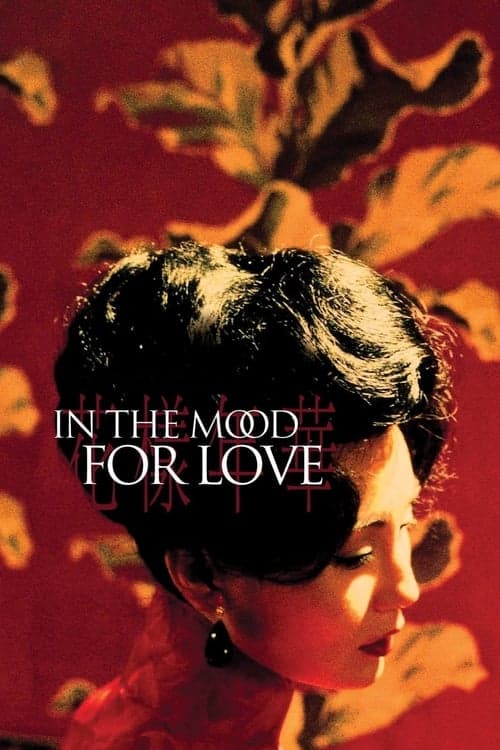
In the Mood for Love
Wong Kar-wai · 2000
Two neighbors in 1962 Hong Kong discover that their respective spouses are having an affair with each other, and find themselves drawn into an intimate friendship that the era's social codes will not allow to become more. Wong Kar-wai's most restrained film is also his most aching — a love story told entirely in what is withheld.
Techniques Used
5 techniques identified in this film
Romantic Triangle Geometry
NarrativeStructuring a romantic narrative around three parties whose relationships are defined by displacement — desire redirected, mirrored, or denied by the presence of a third position.
How this film uses it
The film's geometry is unusual: the triangle's third and fourth vertices — the unfaithful spouses — never appear on screen. Mrs. Chan and Mr. Chow are defined entirely by what their absent partners have denied them, the triangle's missing corners more structurally present than any character who does appear.
Color Palette as Worldbuilding
CinematographyAssigning distinct color palettes to different narrative spaces or states — so that the visual world communicates geography, psychology, and meaning without dialogue or exposition.
How this film uses it
Wong Kar-wai and Christopher Doyle saturate the film's cramped Hong Kong apartments in deep reds, amber, and gold — a palette that codes desire as physical texture. The colors are not period-accurate but emotionally precise: the world is saturated with feeling the characters cannot express.
Leitmotif
SoundA recurring musical theme associated with a character, relationship, or emotional state — returning in variations across the film to accumulate meaning and signal development or loss.
How this film uses it
Shigeru Umebayashi's 'Yumeji's Theme' — a slow, melancholy waltz — is paired with slow-motion images of Mrs. Chan descending stairs or moving through corridors. Each return of the theme activates the full emotional history of the previous occurrences, the music becoming inseparable from the relationship's weight.
Off-Screen Space
CinematographyUsing the space beyond the frame's edge as an active dramatic element — implying presence, threat, or meaning through what the camera deliberately excludes.
How this film uses it
The unfaithful spouses exist entirely in off-screen space — heard but never seen, their backs to camera or faces cropped by the frame. Their absence is the film's most powerful presence: they determine everything about Mrs. Chan and Mr. Chow's relationship without ever appearing to do so.
Silent Observation Pacing
NarrativeA narrative mode built on long, quiet scenes of characters in proximity — dialogue reduced to formality, the real communication happening in gesture, glance, and shared silence.
How this film uses it
Wong Kar-wai builds the relationship between Mrs. Chan and Mr. Chow through silence and proximity rather than confession or declaration. They rehearse what they might say to their spouses, but never what they actually feel — the film's emotional content is entirely in the space between the words they do not speak.
You Might Also Like
Films that share at least one technique with In the Mood for Love
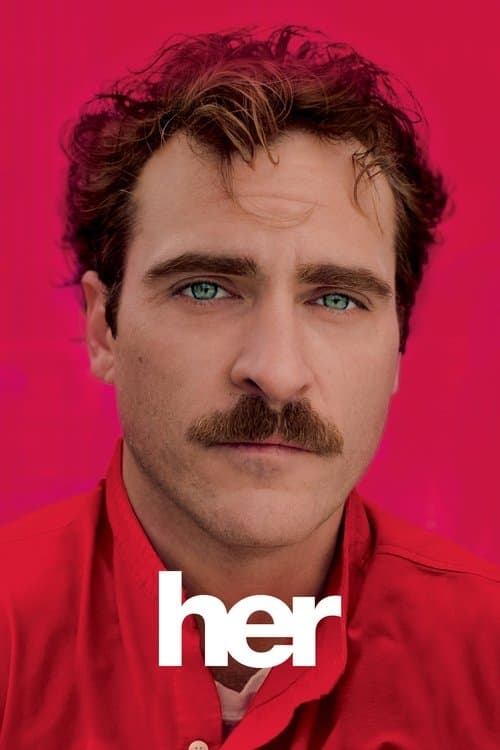
A lonely writer in near-future Los Angeles falls in love with an AI operating system. A tender, melancholy film about connection, loneliness, and what it means to love something that exists differently than you do.
Her
Spike Jonze · 2013
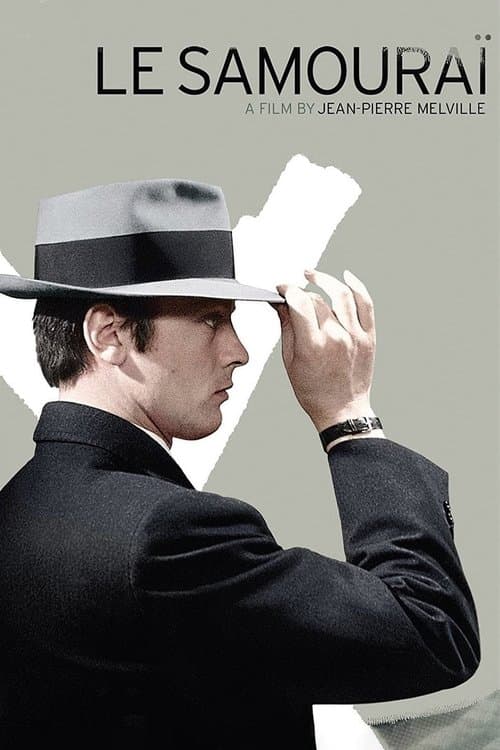
Professional hitman Jef Costello carries out a contract killing but is observed leaving the scene — and finds himself caught between police who suspect him and the criminals who hired him. Jean-Pierre Melville strips the crime film to philosophical minimum: a man defined entirely by his code, moving toward an end he has already accepted.
Le Samourai
Jean-Pierre Melville · 1967
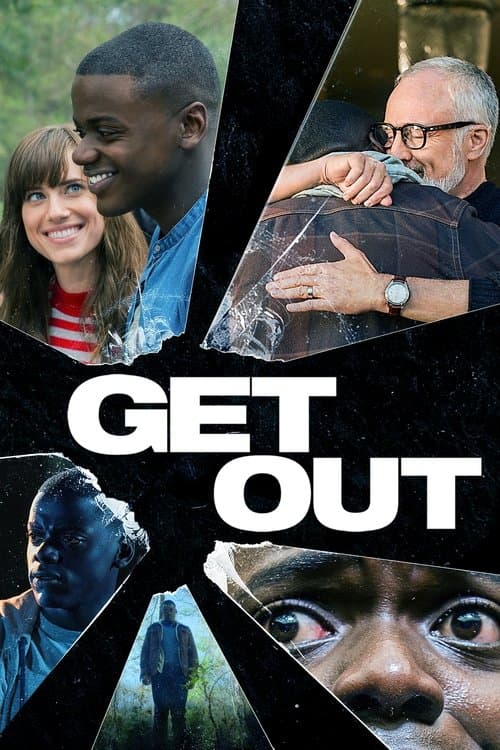
A Black man visiting his white girlfriend's family for the weekend uncovers a disturbing secret beneath their liberal veneer. A precision-engineered social horror film that uses genre mechanics to externalize systemic racism.
Get Out
Jordan Peele · 2017