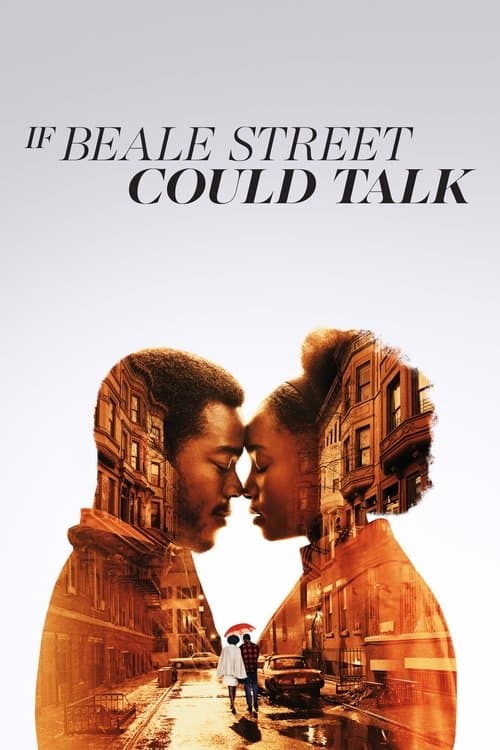
If Beale Street Could Talk
Barry Jenkins · 2018
Tish, a young Black woman in 1970s Harlem, discovers she is pregnant just as her fiancé Fonny is falsely imprisoned for a rape he did not commit — and the film follows her family's desperate fight to free him before the baby arrives. Barry Jenkins' adaptation of James Baldwin is a love letter written against the carceral state.
Techniques Used
4 techniques identified in this film
Color Grading as Psychology
CinematographyThe deliberate manipulation of color temperature and saturation to externalize a character's internal emotional state.
How this film uses it
James Laxton's photography shifts between warm, amber-soaked memory sequences and cooler, harder present-tense realism — the color temperature encoding the relationship between love as it was and what the system has made of it.
Deliberate Close-Up Performance
CinematographyExtended use of tight facial framing to capture micro-expressions, making the audience hyper-aware of suppressed emotion.
How this film uses it
Jenkins films his actors breaking the fourth wall in slow close-up — characters looking directly into the camera with the calm of people who know they are being witnessed — turning the close-up into a declaration of dignity.
Retrospective Voiceover
NarrativeA narrative device where a character narrates past events in hindsight, creating ironic distance between the narrator's knowledge and the events as they unfold.
How this film uses it
Tish's voiceover narrates the story from a future in which she already knows the outcome — her tender, clear narration lending even the most painful scenes the quality of something witnessed and survived.
Bookend Moral Frame
NarrativeAn opening and closing that echo each other structurally, the return to the initial position revealing how the narrative's events have altered the meaning of what was originally shown.
How this film uses it
Jenkins opens and closes with Tish and Fonny in Harlem — the same couple, the same street — but the closing image is freighted with everything the film has done to the world between the two shots.
You Might Also Like
Films that share at least one technique with If Beale Street Could Talk
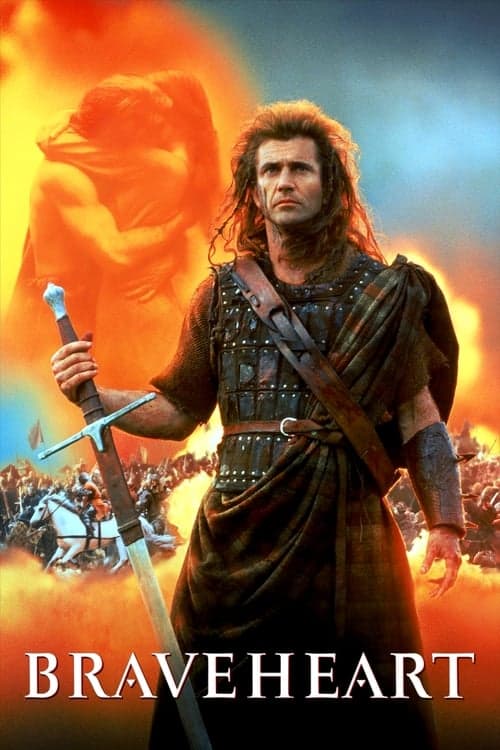
William Wallace leads a Scottish rebellion against English rule in the 13th century, transforming from farmer to warrior to martyr. A populist epic that made the battles of medieval Scotland feel viscerally, physically immediate.
Braveheart
Mel Gibson · 1995
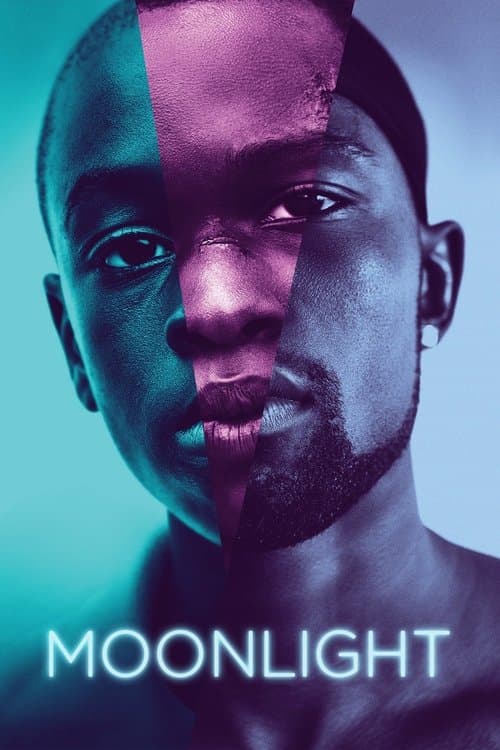
A young Black man named Chiron navigates identity, sexuality, and belonging across three defining chapters of his life in Miami. Told in triptych form, the film is a tender and elliptical portrait of masculinity shaped by poverty and silence.
Moonlight
Barry Jenkins · 2016
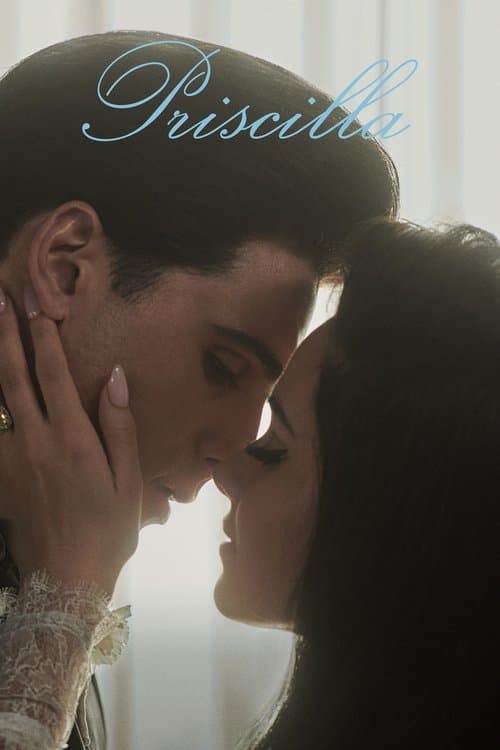
Priscilla Beaulieu meets Elvis Presley at fourteen years old in Germany, is moved across the world to live with him in Graceland, and spends a decade waiting for a man who is always elsewhere — until she finds herself and leaves. Sofia Coppola's film is Priscilla's story, not Elvis's.
Priscilla
Sofia Coppola · 2023