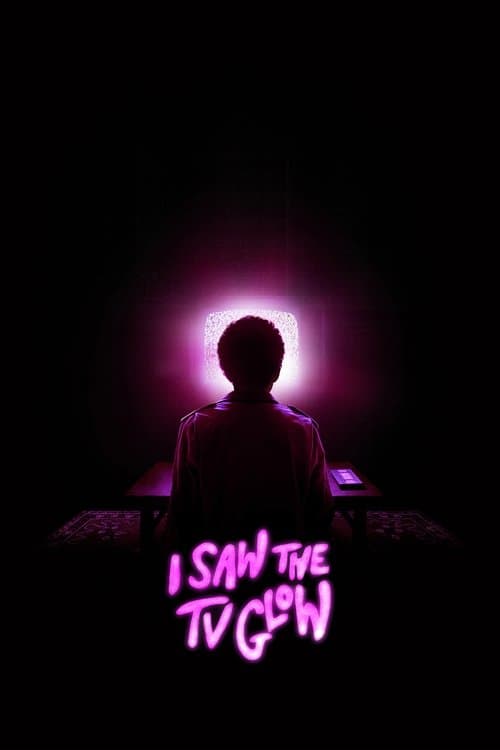
I Saw the TV Glow
Jane Schoenbrun · 2024
Two suburban teenagers in the 1990s bond over a late-night fantasy TV show about a girl who fights monsters in a dream world — and one of them begins to suspect that the show is more real than their waking life. Jane Schoenbrun's film is a horror movie about identity dissociation and the terror of not knowing who you are.
Techniques Used
4 techniques identified in this film
Color Grading as Psychology
CinematographyThe deliberate manipulation of color temperature and saturation to externalize a character's internal emotional state.
How this film uses it
Schoenbrun and cinematographer Eric Yue use a color palette of pink, lavender, and electric blue — the specific colors of late-night television and mall fluorescence — to encode the dissociated state in which the film's protagonist exists, the colors simultaneously nostalgic and deeply wrong.
Dream Logic Structure
NarrativeA narrative that abandons cause-and-effect realism in favor of the associative, emotionally driven logic of dreams.
How this film uses it
Schoenbrun constructs the film's reality with the consistency of a dream that is almost real — things that should be impossible happen without comment, transitions occur without logic, the world's rules are never stated because in a dream they are simply felt.
Uncanny
PsychologyThe Freudian concept of the unheimlich — the feeling of the familiar made strange — used as a deliberate filmmaking strategy to produce dread from ordinary environments.
How this film uses it
Schoenbrun films the suburbs with the uncanny grammar of something that looks like a world but doesn't quite feel like one — the houses, the schools, the malls all slightly off, the ordinary environment rendered alien by the protagonist's dissociation.
Slow Burn Horror Pacing
NarrativeA horror approach that withholds conventional scare events in favor of sustained atmospheric dread, the horror building through accumulation rather than shock.
How this film uses it
Schoenbrun refuses conventional horror mechanics — the film never provides the scare that the dread promises, the sustained unease never resolved into the clarity of a monster or a haunting, the horror located in the protagonist's inability to know whether what they're experiencing is real.
You Might Also Like
Films that share at least one technique with I Saw the TV Glow
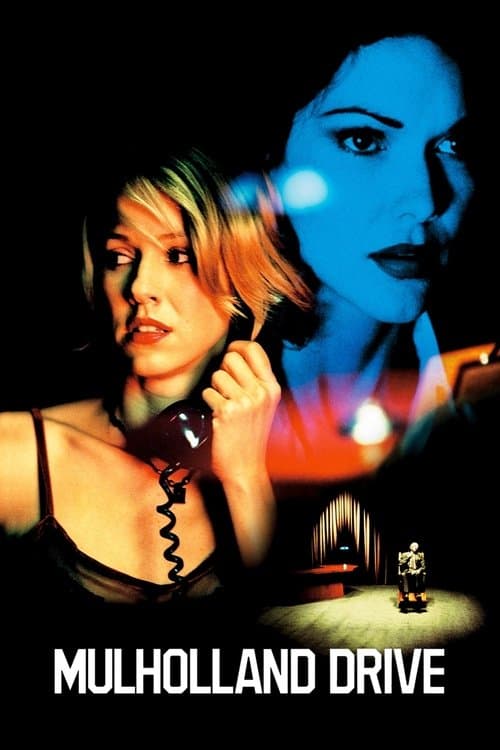
An aspiring actress and an amnesiac woman forge a mysterious bond in Hollywood, before the film fractures into a darker, possibly truer version of events. A dream-logic exploration of desire, failure, and self-deception.
Mulholland Drive
David Lynch · 2001
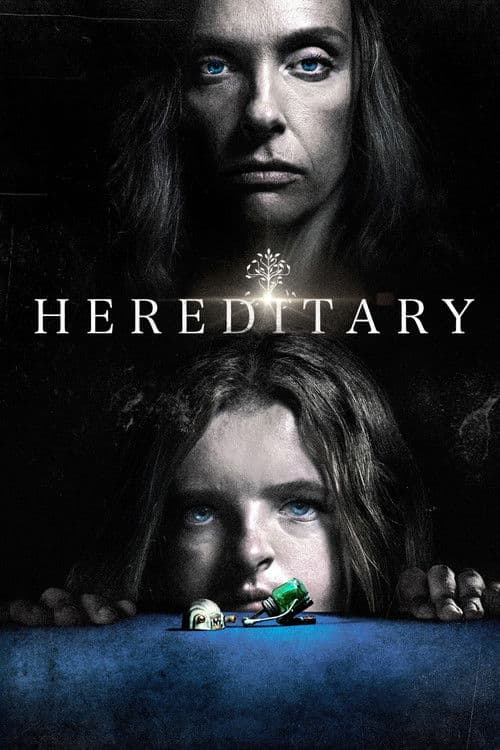
Following her secretive mother's death, a miniaturist artist discovers disturbing truths about her family's history — a discovery that comes as grief, horror, and finally something that cannot be explained as coincidence. The most devastating horror film in decades.
Hereditary
Ari Aster · 2018
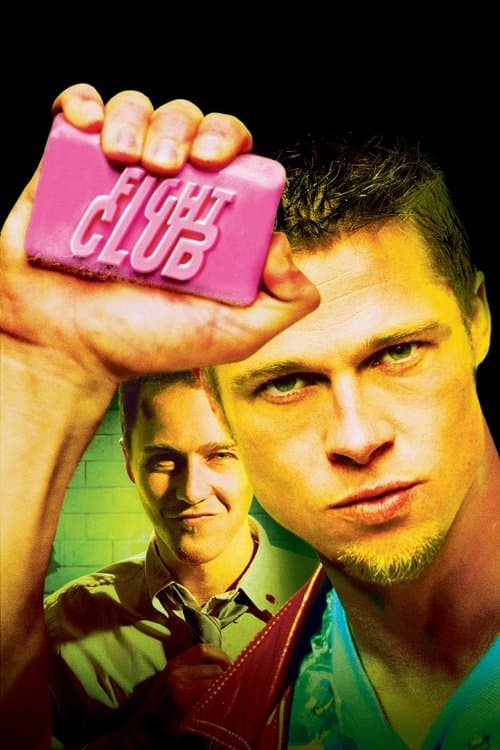
An insomniac office worker and a charismatic soap salesman form an underground fight club that evolves into something far more dangerous. A critique of consumer masculinity that implicates the viewer in its protagonist's pathology.
Fight Club
David Fincher · 1999