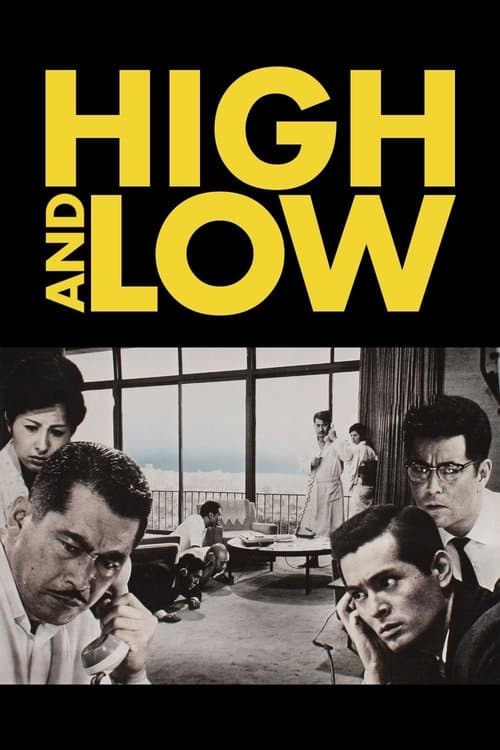
High and Low
Akira Kurosawa · 1963
A shoe company executive's chauffeur's son is kidnapped by mistake — the ransom demand still aimed at the executive — forcing him to choose between his fortune and a stranger's child. Kurosawa's masterful crime procedural is a two-act dissection of class, guilt, and the moral geography of a city divided by altitude.
Techniques Used
5 techniques identified in this film
Asymmetric Power Framing
CinematographyUsing camera placement and composition to visualize the power differential between characters.
How this film uses it
Kurosawa literally separates the film's moral poles by elevation — Gondo's hilltop villa visible from the slums below — and frames every scene to make the vertical distance between rich and poor a moral measurement.
Tonal Succession
NarrativeDeliberately shifting the film's genre register mid-story, so that what began as one kind of film becomes another.
How this film uses it
The film breaks cleanly in two: the first act is a domestic moral thriller confined to Gondo's house; the second is a police procedural in the city below — the shift in register mirrors the film's class argument.
The Prisoner's Dilemma
NarrativeA narrative structure that places a character in a situation where the rational self-interested choice conflicts with the morally right one.
How this film uses it
Gondo's dilemma is the film's entire first act — save his company or pay ransom for a child he is not responsible for — and Kurosawa refuses to make the 'right' choice painless.
Forensic Inference Narration
NarrativeBuilding narrative tension through the step-by-step reconstruction of events from physical evidence, privileging process over revelation.
How this film uses it
The investigation sections of the film work through painstaking deduction — the detective team following threads of evidence through the city's lower depths — making methodology itself the drama.
Architectural Class Opposition
CinematographyUsing the film's built environments to visualize class division — contrasting the spaces of wealth and poverty through production design.
How this film uses it
The film's entire spatial logic is vertical — the wealthy live high, the desperate live low — and Kurosawa uses this literal geography to make class difference a fact of landscape rather than merely of circumstance.
You Might Also Like
Films that share at least one technique with High and Low
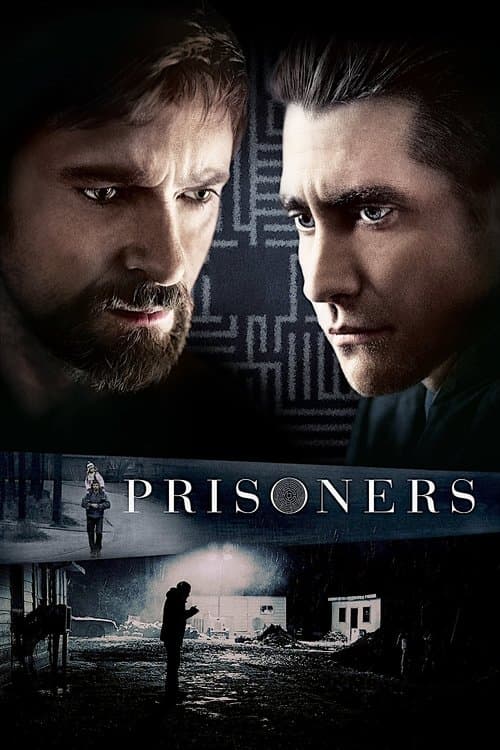
When two young girls disappear on Thanksgiving, their fathers take radically different approaches to finding them — one methodically investigates, the other descends into vigilante violence. Denis Villeneuve's American debut is a film about the collapse of moral certainty under the pressure of unbearable love.
Prisoners
Denis Villeneuve · 2013
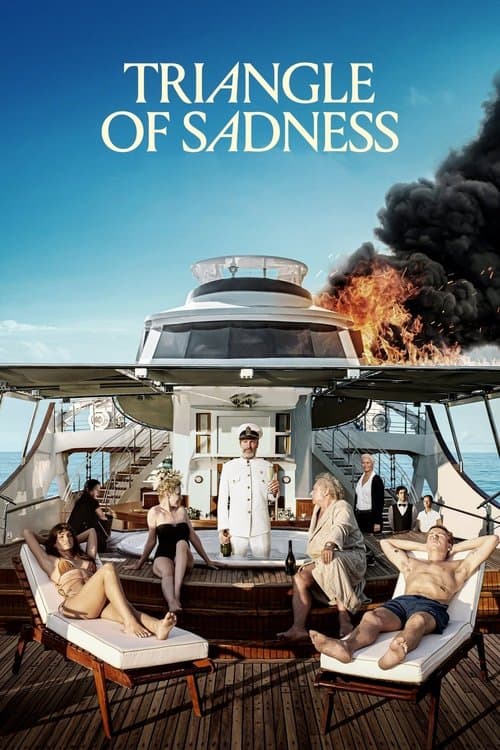
A male model and his influencer girlfriend are invited onto a luxury yacht where the ultra-wealthy and their staff are subject to a catastrophic storm — and then a shipwreck that inverts the social hierarchy entirely. Ruben Östlund's film is a three-act assault on class, beauty, and the performance of power.
Triangle of Sadness
Ruben Östlund · 2022

A delusional beekeeper convinced that a pharmaceutical CEO is an alien infiltrator kidnaps her and imprisons her in his basement to extract a confession. A darkly absurdist hostage thriller in which paranoia, corporate power, and human self-deception become indistinguishable.
Bugonia
Yorgos Lanthimos · 2025