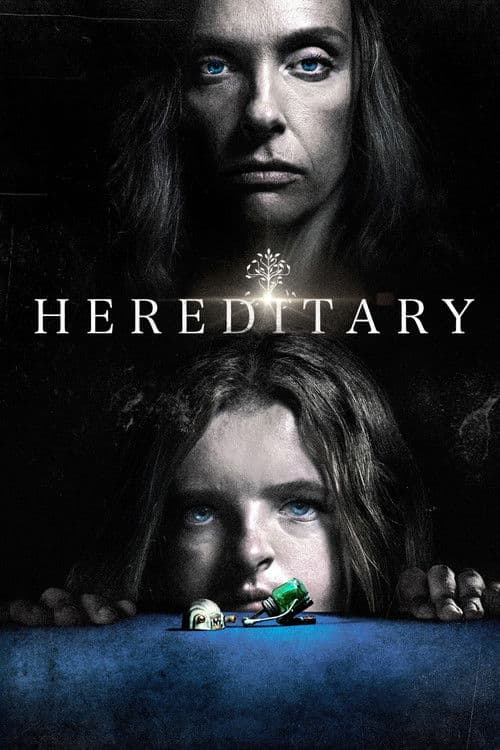
Hereditary
Ari Aster · 2018
Following her secretive mother's death, a miniaturist artist discovers disturbing truths about her family's history — a discovery that comes as grief, horror, and finally something that cannot be explained as coincidence. The most devastating horror film in decades.
Techniques Used
4 techniques identified in this film
Body Horror
PsychologyHorror centered on the physical body — its violation, transformation, or desecration — making the audience's identification with human physicality the instrument of dread.
How this film uses it
Aster uses the body as his primary horror instrument: the specific physical reality of death, the involuntary physicality of grief, the body as the site where the supernatural makes its claims. The film's most devastating moments are not supernatural events but physical ones — the body's vulnerability presented without the protective distance of genre convention.
Slow Burn Horror Pacing
NarrativeA horror film that builds its dread through accumulation rather than shock — spending a majority of its runtime on atmosphere, character, and implication before the genre's conventions become explicit.
How this film uses it
Aster spends the film's first hour on grief, family dysfunction, and the specific texture of the Grahams' relationships before supernatural horror becomes undeniable. The accumulation means the horror, when it arrives, falls on an audience already made vulnerable by genuine emotional investment in characters they have been made to care about.
Overhead Composition
CinematographyShots looking directly down on spaces from above — revealing spatial relationships, architecture, and the smallness of human figures within designed environments.
How this film uses it
Aster uses overhead shots to reveal the Graham house as a structure — reducing characters to figures in a miniature, connecting to Annie's work as a miniaturist, and suggesting that the family's fate is being observed and arranged from a position they cannot access. The overhead is not neutral — it implies a watching intelligence.
Dream Logic Structure
NarrativeSequences operating by the associative logic of nightmares — images connected by emotional resonance and dread rather than causal sequence, the narrative moving into registers that defy rational processing.
How this film uses it
The film's final act operates entirely by nightmare logic: spatial rules collapse, time becomes uncertain, the house's architecture changes. Aster moves into a register where the audience cannot apply rational analysis — the events are not illogical, they follow a different logic. The shift is deliberate: the film is no longer making an argument; it is inducing an experience.
You Might Also Like
Films that share at least one technique with Hereditary
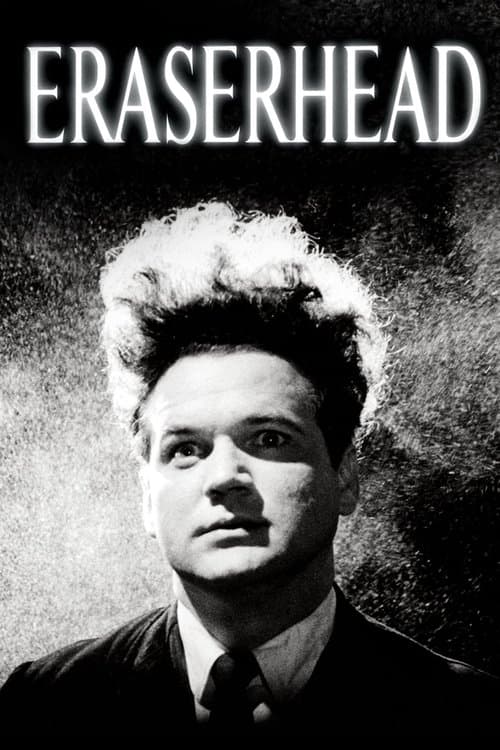
Henry Spencer lives in a desolate industrial landscape and is horrified to discover he has fathered a grotesque, continuously crying mutant child with his girlfriend, who quickly abandons him to cope alone. David Lynch's debut feature is an expressionist nightmare about the terror of parenthood and industrial modernity.
Eraserhead
David Lynch · 1977
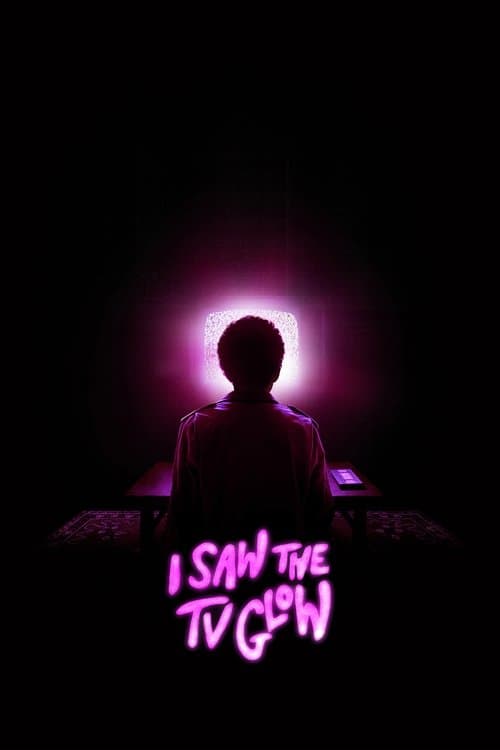
Two suburban teenagers in the 1990s bond over a late-night fantasy TV show about a girl who fights monsters in a dream world — and one of them begins to suspect that the show is more real than their waking life. Jane Schoenbrun's film is a horror movie about identity dissociation and the terror of not knowing who you are.
I Saw the TV Glow
Jane Schoenbrun · 2024
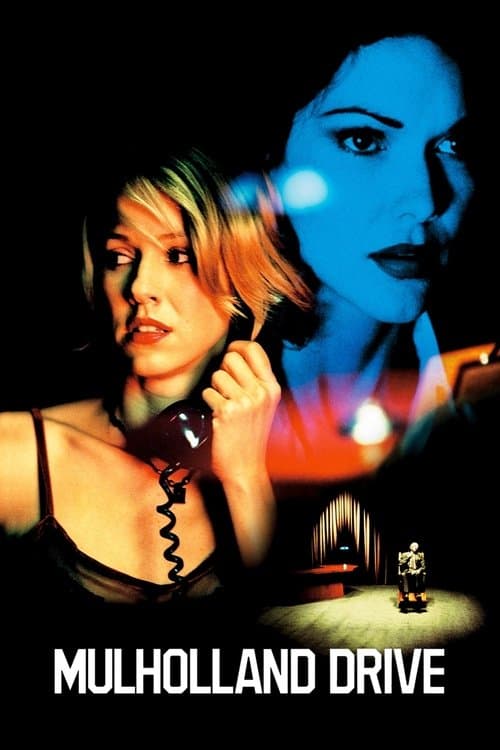
An aspiring actress and an amnesiac woman forge a mysterious bond in Hollywood, before the film fractures into a darker, possibly truer version of events. A dream-logic exploration of desire, failure, and self-deception.
Mulholland Drive
David Lynch · 2001