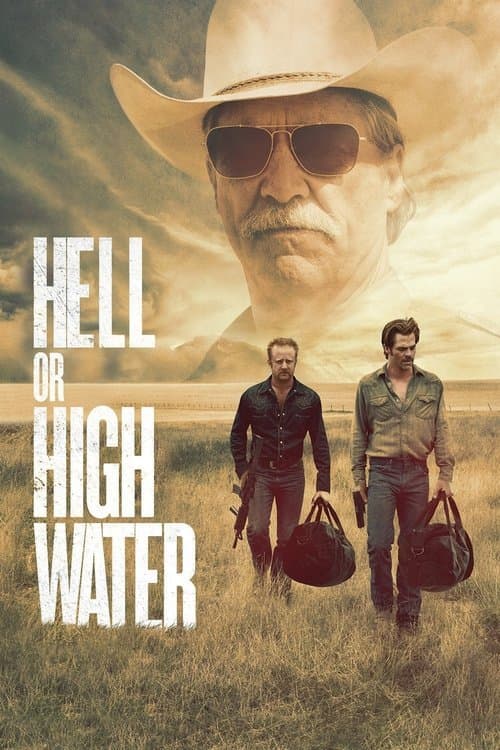
Hell or High Water
David Mackenzie · 2016
Two Texas brothers rob branches of the bank that is about to foreclose on their family's ranch, and a pair of Texas Rangers race to catch them before they can complete enough robberies to save the land. David Mackenzie's film is a modern Western about who the real thieves are.
Techniques Used
4 techniques identified in this film
Small Town as Moral Geography
CinematographyThe use of a specific town or region whose streets and landmarks encode the social values the characters are navigating.
How this film uses it
Giles Nuttgens shoots West Texas's abandoned storefronts, payday loan signs, and foreclosure notices as the film's moral landscape — the economic devastation that produced the brothers' crime visible in every town they pass through, the setting functioning as the film's political argument.
Revisionist Genre Argument
NarrativeA film that inhabits a genre's conventions in order to systematically examine and dismantle them.
How this film uses it
Taylor Sheridan places the bank robbery in the Western genre's moral framework and then inverts it — the banks are the outlaws, the brothers are the dispossessed farmers, the Ranger is the lawman enforcing a system the film exposes as corrupt, the genre rearranged to point at the actual theft.
Triangulated Moral Ambiguity
NarrativeA three-way structural arrangement in which each character represents a different moral position, preventing any single perspective from claiming the high ground.
How this film uses it
Toby is moral necessity, Tanner is recklessness, Marcus is institutional authority — and Mackenzie refuses to assign heroism to any of the three, making the film's moral argument a conversation between positions rather than a verdict.
Observational Restraint
NarrativeA filmmaking approach that withholds explanation, allowing behavior and environment to communicate character meaning without dialogue.
How this film uses it
Mackenzie films the brothers' relationship without backstory — their dynamic visible in how they argue, how they protect each other, how they share silence — the love between them communicated through behavior rather than declared in any scene of explicit emotion.
You Might Also Like
Films that share at least one technique with Hell or High Water
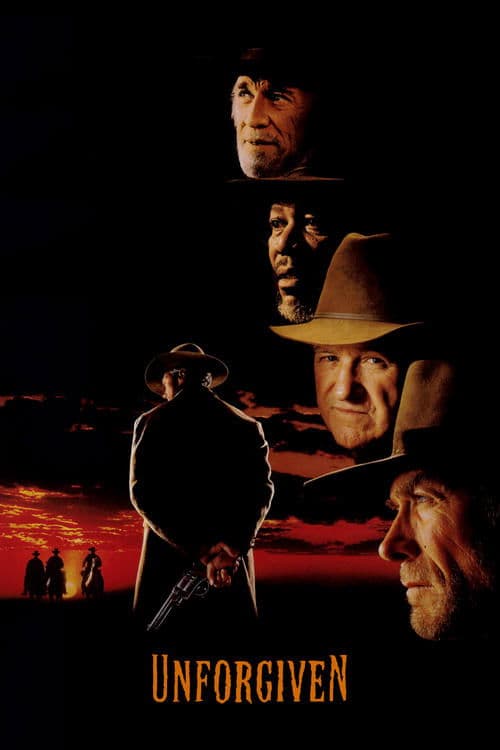
A retired outlaw and pig farmer reluctantly takes on one last bounty job after two cowboys mutilate a prostitute, only for the escalating violence to strip away the mythologies of the Old West entirely. Eastwood's film is the Western genre turned against itself.
Unforgiven
Clint Eastwood · 1992
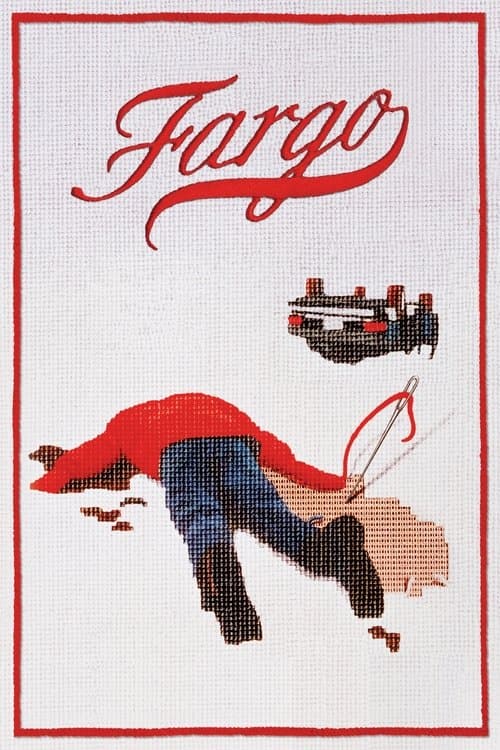
A desperate car salesman hires two criminals to kidnap his wife for ransom, setting off a chain of incompetent violence that falls to pregnant police chief Marge Gunderson to untangle. The Coens' moral masterpiece locates good and evil in the same flat, snow-covered landscape and finds that decency is more durable than crime.
Fargo
Joel Coen, Ethan Coen · 1996
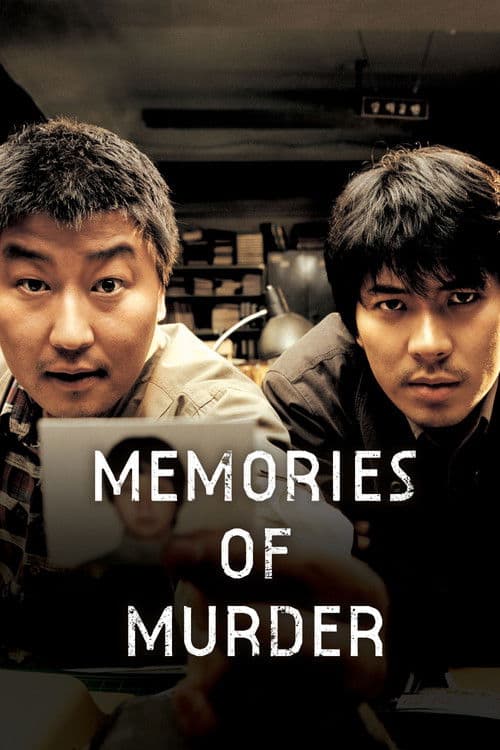
Two detectives — a provincial brawler and a methodical Seoul investigator — pursue South Korea's first documented serial killer across rice paddies and rural villages in 1986. Bong Joon-ho's breakthrough film is simultaneously a forensic procedural and a portrait of a society whose institutions are not yet equipped for the crimes they face.
Memories of Murder
Bong Joon-ho · 2003