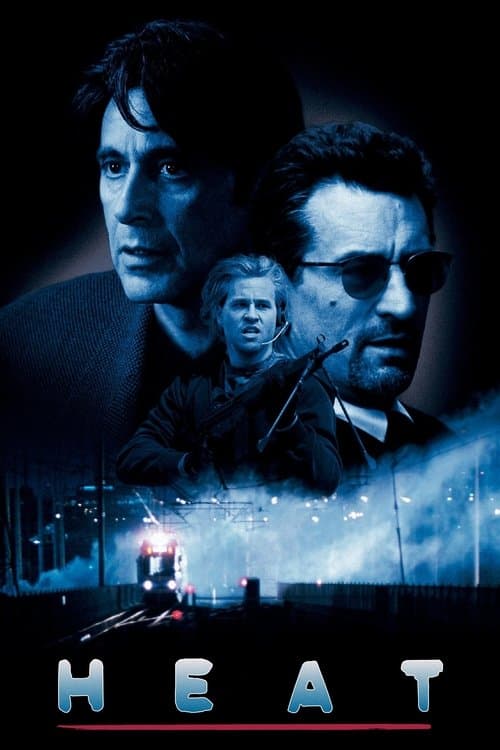
Heat
Michael Mann · 1995
A veteran Los Angeles detective and a professional thief are mirror images of each other — both defined entirely by their work, both sacrificing everything else to it — on a collision course that both men understand and neither can avoid. The definitive American crime film.
Techniques Used
4 techniques identified in this film
Near-Miss Tracking Structure
EditingBuilding narrative tension from sequences in which protagonist and antagonist approach but never meet — proximity without contact sustained as the film's primary dramatic instrument.
How this film uses it
Mann tracks Hanna and McCauley in parallel for two hours — the detective always a step behind, the thief always a step ahead. Their only voluntary meeting is the diner scene, where both acknowledge the logic of their collision. Every sequence before it is defined by the space between them that is closing without either man being able to stop it.
Immersive Combat Sound Design
SoundA sound design approach that prioritizes physical and spatial realism over dramatic convention, placing the audience inside combat rather than observing it.
How this film uses it
The downtown bank robbery shootout used real gunfire with live blanks and no sound manipulation. The result was a sound design so accurate that it has been used in military training. The reverb off downtown Los Angeles's buildings is specific and real — the gunfire bounces off actual architecture. No film had achieved this level of ballistic realism before.
Psychological Doubling
PsychologyTwo characters who mirror each other as shadow versions — one representing what the other secretly is, fears, or desires — their relationship defining the film's psychological core.
How this film uses it
Hanna and McCauley are structurally identical: both are defined by their work above all else, both have destroyed personal relationships through professional obsession, both understand themselves entirely through their craft. The film makes this explicit in the diner scene. Their mirroring is not metaphorical — it is the film's literal argument about what this kind of total commitment costs.
Urban Gothic Cinematography
CinematographyPhotographing a city at night — its freeways, industrial zones, and commercial districts — as a sublime, threatening environment that dwarfs its human inhabitants.
How this film uses it
Dante Spinotti photographs Los Angeles at night with a reverence usually reserved for natural landscapes. The freeways, the ocean, the airport — the city's infrastructure is shot as architecture of genuine grandeur. The criminal world Mann depicts is embedded in this landscape, which makes it feel not sordid but epic.
You Might Also Like
Films that share at least one technique with Heat

A perfectionist ballerina wins the lead in Swan Lake but becomes consumed by paranoia and hallucination as opening night approaches. A psychosexual horror film about the violence of perfectionism and the dissolution of identity.
Black Swan
Darren Aronofsky · 2010
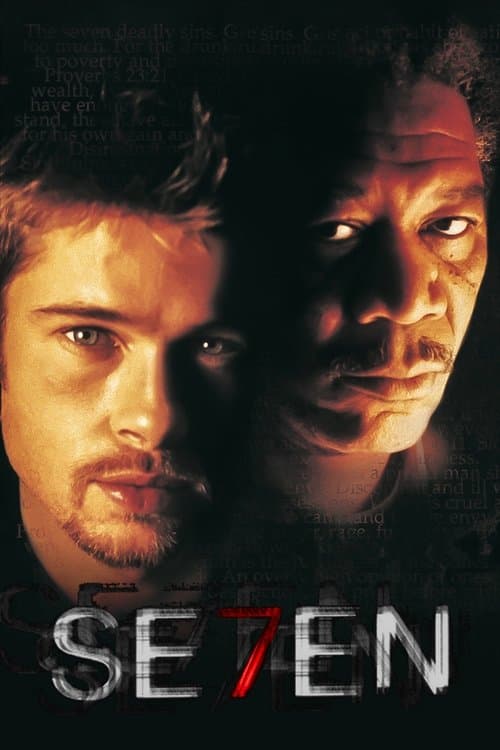
Two detectives — one cynical and days from retirement, one young and idealistic — hunt a serial killer who uses the seven deadly sins as a blueprint in a city of perpetual rain and moral rot. A film about the futility of justice in a world that has already lost.
Se7en
David Fincher · 1995
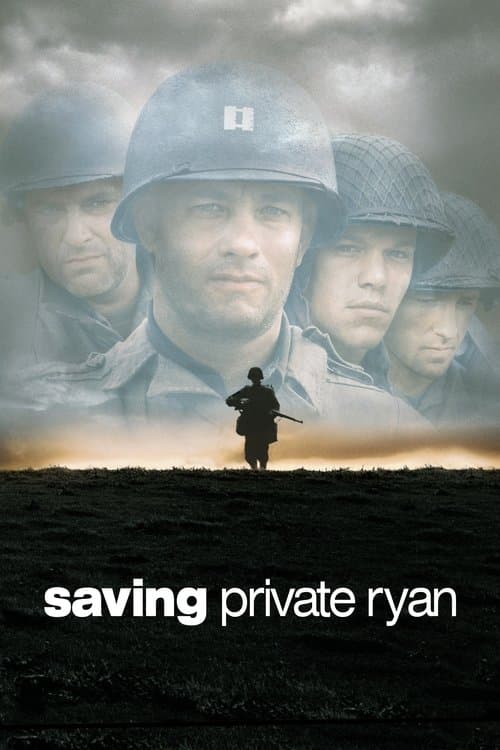
A squad of soldiers is sent behind enemy lines after D-Day to retrieve the last surviving son of a family that has lost four boys in the war. The film's opening twenty-four minutes are the most viscerally honest depiction of combat ever committed to film.
Saving Private Ryan
Steven Spielberg · 1998