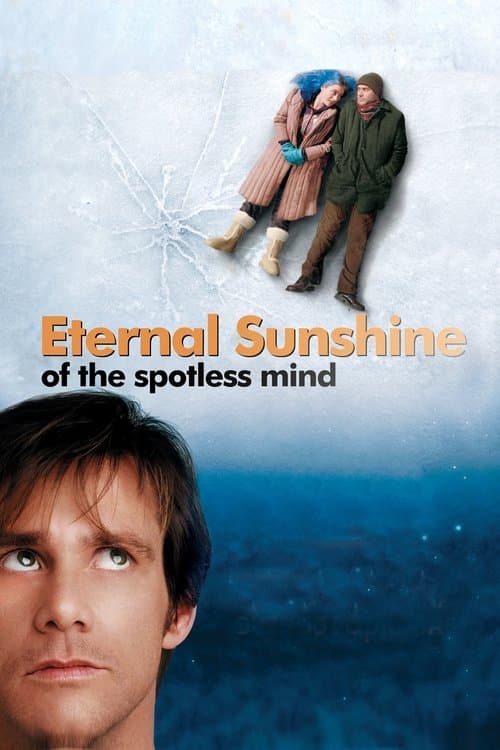
Eternal Sunshine of the Spotless Mind
Michel Gondry · 2004
After a painful breakup, a man undergoes a procedure to erase his ex-girlfriend from his memory — but partway through, he changes his mind. A meditation on love, grief, and what makes experience worth having.
Techniques Used
4 techniques identified in this film
Reverse Chronology
EditingPresenting narrative events in reverse order so the audience discovers the beginning of a story last, recontextualizing everything that came before.
How this film uses it
The memory-erasure sequences run backward through Joel and Clementine's relationship, so we witness its deterioration before its tenderness — making the love feel more precious as it's destroyed.
In-Camera Practical Effects
CinematographyAchieving surreal or fantastical imagery through physical camera and production design tricks rather than digital post-production.
How this film uses it
Gondry achieved the disintegration of Joel's memories by having actors step off set, erasing sections of set mid-shot, or using forced perspective — keeping the surrealism tactile and handmade.
Subjective Camera
CinematographyA camera perspective that replicates the literal point of view or the psychological interiority of a character, putting the audience inside their perceptual experience.
How this film uses it
During the erasure sequences, the camera adopts Joel's panicked POV as memories destabilize around him, making the audience experience memory loss as spatial disorientation.
Circular Structure
NarrativeA narrative architecture where the ending returns to or rhymes with the beginning, suggesting cyclical fate, inevitable repetition, or earned transformation.
How this film uses it
The film opens with Joel and Clementine meeting on the beach — which is also the film's emotional ending — collapsing the linear timeline into a loop that asks whether love is still worth choosing with full knowledge of the pain.
You Might Also Like
Films that share at least one technique with Eternal Sunshine of the Spotless Mind
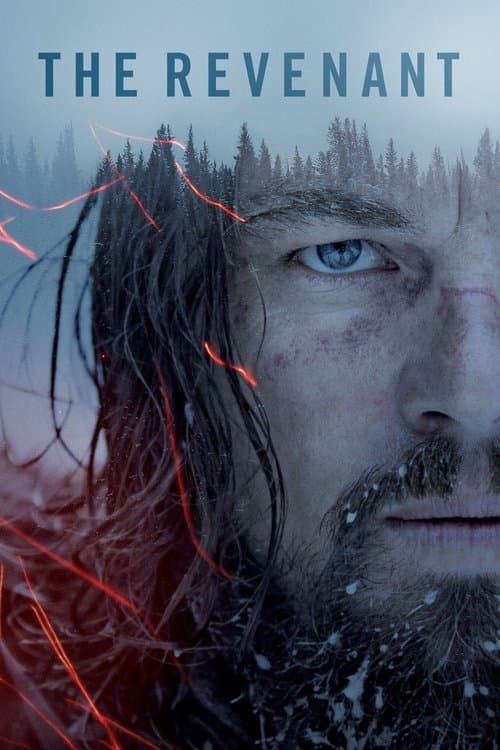
Fur trapper Hugh Glass is mauled by a bear and left for dead by his companions in the uncharted American wilderness, and survives a punishing winter landscape driven entirely by the will to reach the man who killed his son. Iñárritu's film is a sustained inquiry into what the body can endure and what survival costs.
The Revenant
Alejandro G. Iñárritu · 2015
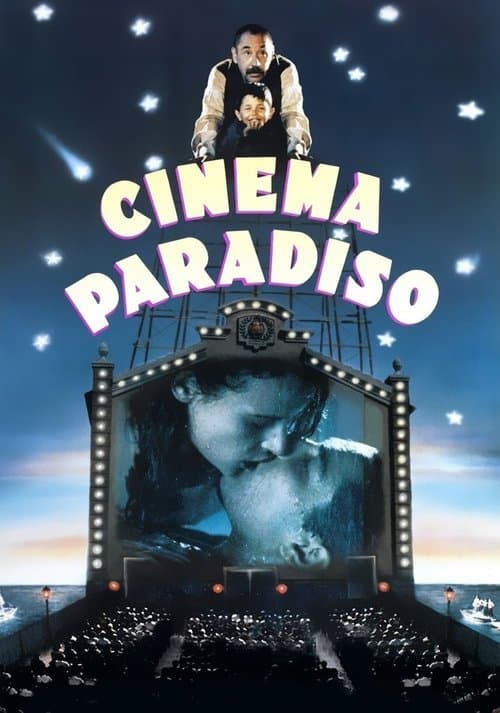
A famous film director returns to his Sicilian village after learning of the death of Alfredo, the projectionist who was his childhood mentor and surrogate father. A film about memory, cinema, and the losses that make us who we are.
Cinema Paradiso
Giuseppe Tornatore · 1988
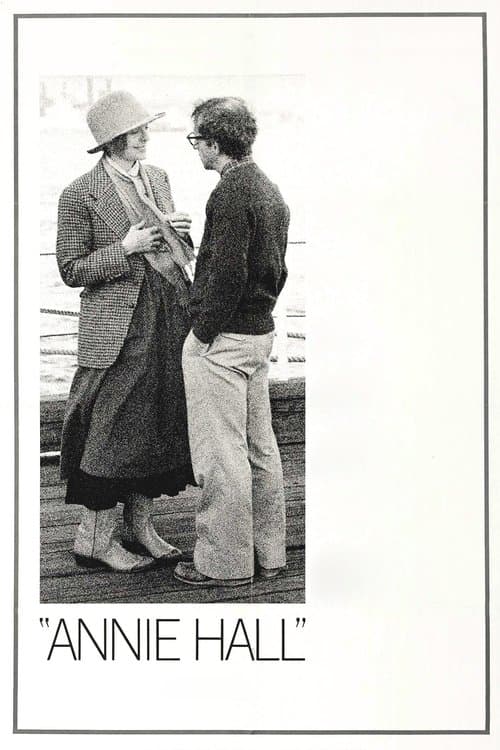
A neurotic New York comedian attempts to understand why his relationship with Annie Hall ended by examining the relationship itself — talking directly to the audience, disrupting time, and refusing the conventions of romantic comedy. The film that made the breakup movie serious.
Annie Hall
Woody Allen · 1977